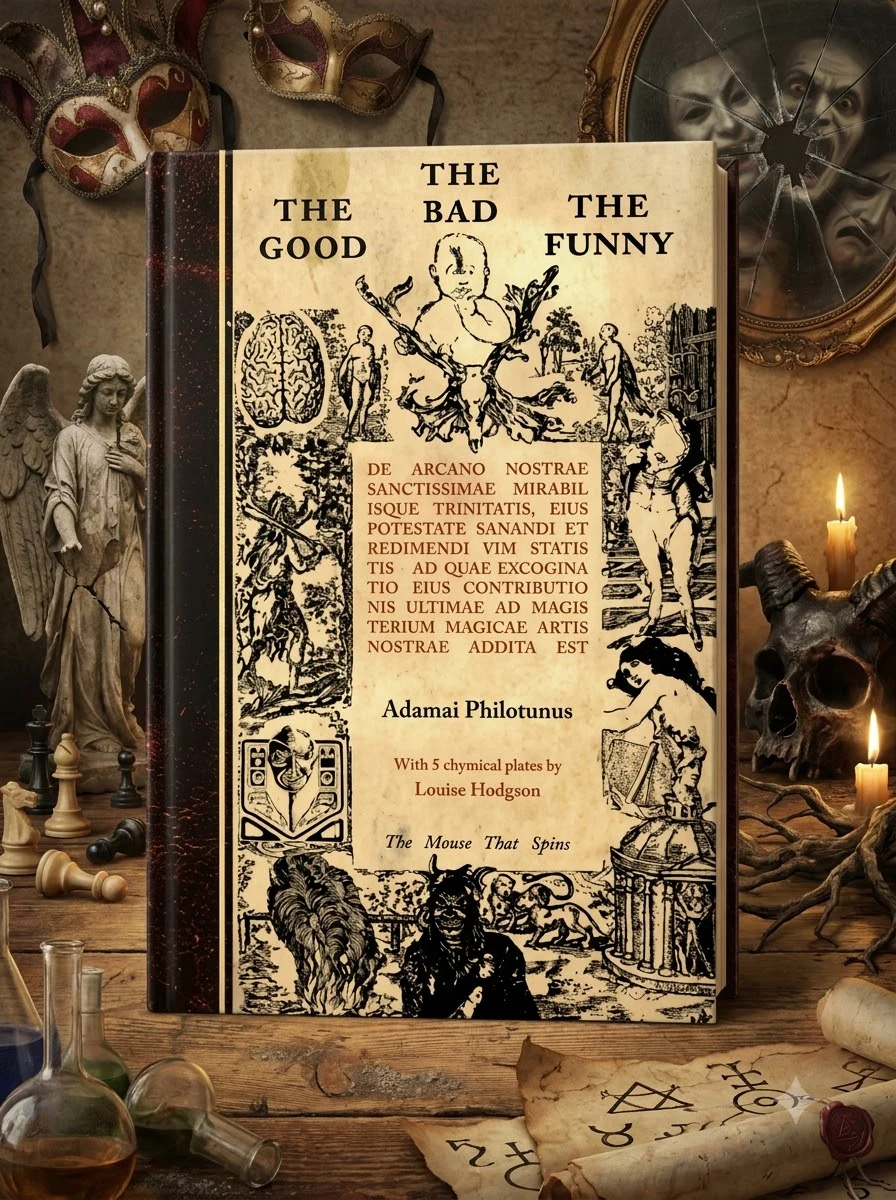

The Good The Bad The Funny: de Arcano Nostrae Sanctissimae Mirabilisque Trinitatis Philotunus, Adamai
Philotunus, Adamai; , Dukes, RamseyStock reported in the catalog; fulfillment is confirmed with your request.
Beyond good and evil, discover the dynamic power of the sacred trinity.
Adamai Philotunus challenges conventional wisdom regarding dualistic thought, arguing that simply unifying opposing forces is a retreat. This profound work proposes a radical advancement to trinitarian consciousness. It introduces a vital 'third principle' – akin to alchemical Mercury or a universal solvent – designed to transform rigid conflict into fluid, dynamic interplay. By integrating a trickster archetype, Philotunus illuminates how perceived enemies can become participants in a cosmic dance, fostering understanding and innovation rather than mere stasis. A transformative read for deeper philosophical insights.
This text emerges from contemporary ceremonial magic circles, specifically engaging with the Mouse That Spins publishing tradition that often blends esoteric theory with irreverent humor. It positions itself within modern occult philosophy by challenging dualistic frameworks through a trinitarian lens.


📝 Description: The Good The Bad The Funny: de Arcano Nostrae Sanctissimae Mirabilisque Trinitatis Philotunus, Adamai
💎 Expert review
📖 Why choose it
Why this book is worth reading
Readers seeking to transcend rigid binary thinking will find profound value in this radical exploration of consciousness. It is ideal for those who feel stagnant in traditional dualistic models and crave a dynamic, fluid approach to conflict and unity. By introducing the concept of a 'third principle' akin to alchemical Mercury, the book offers a transformative path where enemies become participants in a cosmic dance. This work appeals to innovators and philosophers who wish to move beyond mere unification toward a vibrant, interconnected reality. It is particularly beneficial for practitioners looking to integrate humor and trickster energy into their spiritual toolkit, fostering deeper understanding and creative insight rather than simple resolution.
⭐ Reader reviews
Reader rating
This book presents a bold philosophical shift from dualism to trinitarian consciousness, offering a fresh perspective on opposing forces through the lens of a universal solvent. While intellectually stimulating for those open to non-traditional occult structures, it may frustrate readers who prefer established, dogmatic ceremonial magic systems. The integration of trickster archetypes and humor might feel incongruous or dismissive to serious practitioners seeking solemnity rather than dynamic interplay. It is not suited for those content with simple binary resolutions or those who find alchemical metaphors overly abstract without practical ritual context. Ultimately, it challenges the status quo, which may alienate conservative esotericists but will intrigue open-minded seekers of innovative philosophical frameworks within the occult.
❓ Frequently asked questions
📖 Who should read this
If you find yourself weary of simplistic binaries and yearn for a more nuanced, dynamic understanding of conflict and consciousness, this book is for you. Seekers of advanced esoteric philosophy and those interested in alchemical thought will find its insights invaluable.
🎯 Key themes and symbolism
Beyond Dualistic Conflict
This book dissects how the inherent "good versus evil" paradigm fuels human strife, preventing true resolution. It reveals how traditional calls for unity often stifle the energetic potential of opposition, freezing it into rigid enmity rather than allowing for productive transformation.
The Trinitarian Path
Philotunus advocates for a revolutionary leap from binary thought to a dynamic, three-part understanding. This isn't about merging opposites into a bland synthesis, but rather introducing a mediating, transformative force that allows for continuous movement and evolution beyond simple reconciliation.
The Trickster's Alchemy
Central to this approach is the concept of a "third principle" – a cosmic trickster or universal solvent. This force transmutes static opposition into an active, playful 'game,' offering a new lens through which to perceive conflict, transforming it into a fertile ground for creative engagement.
💬 Quotes from the book
“To settle for unity is to relinquish the very energy that opposition provides; it is to embrace a static peace where a dynamic dance could flourish.”
“Imagine a world where the 'enemy' is not an absolute evil to be vanquished, but a necessary counterpoint, a partner in a cosmic game, driven by the trickster's spirit.”
📜 Historical context
📚 Glossary
- Dualistic Thinking
- Trinitarian Thinking
- Third Principle
📔 Questions to reflect on
- Consider a significant conflict in your life. How would viewing it through a "God, Devil, and Trickster" lens alter your perception and potential approach?
- Where in your personal philosophy or spiritual practice do you unconsciously reinforce dualistic thinking? How might you introduce a "third principle" to move beyond it?
- Reflect on moments where conflict felt transformative rather than destructive. Can you identify elements of a "trickster" dynamic at play in those instances?
✍️ More books by this author Philotunus, Adamai; , Dukes, Ramsey
All books by this author →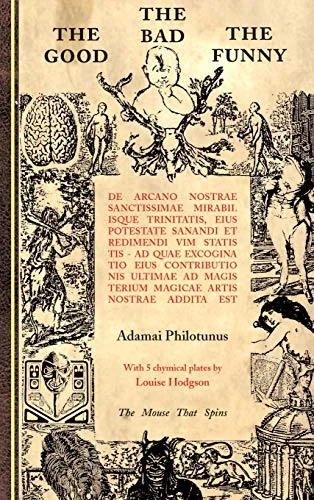
🏛 Books from this publisher Mouse That Spins
All books from this publisher →

You might also like
See more →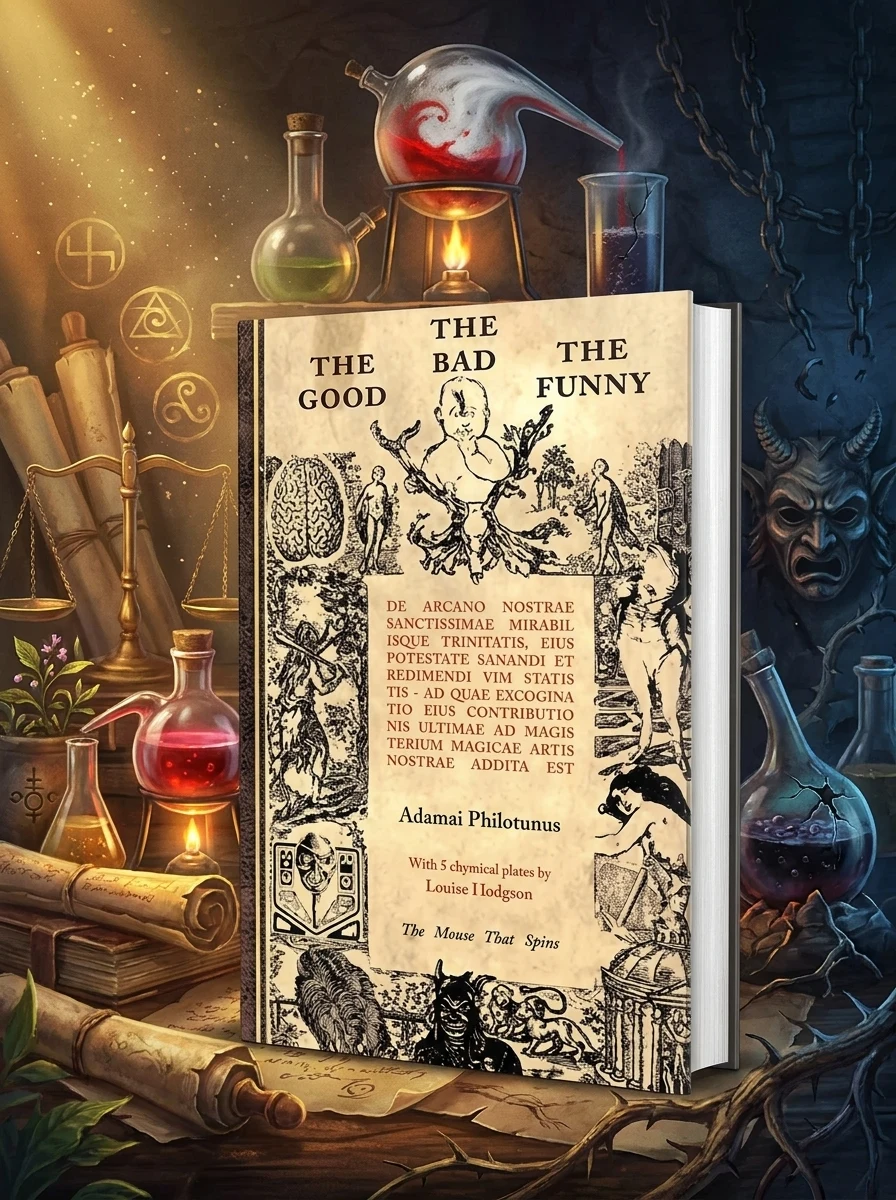




 91
91