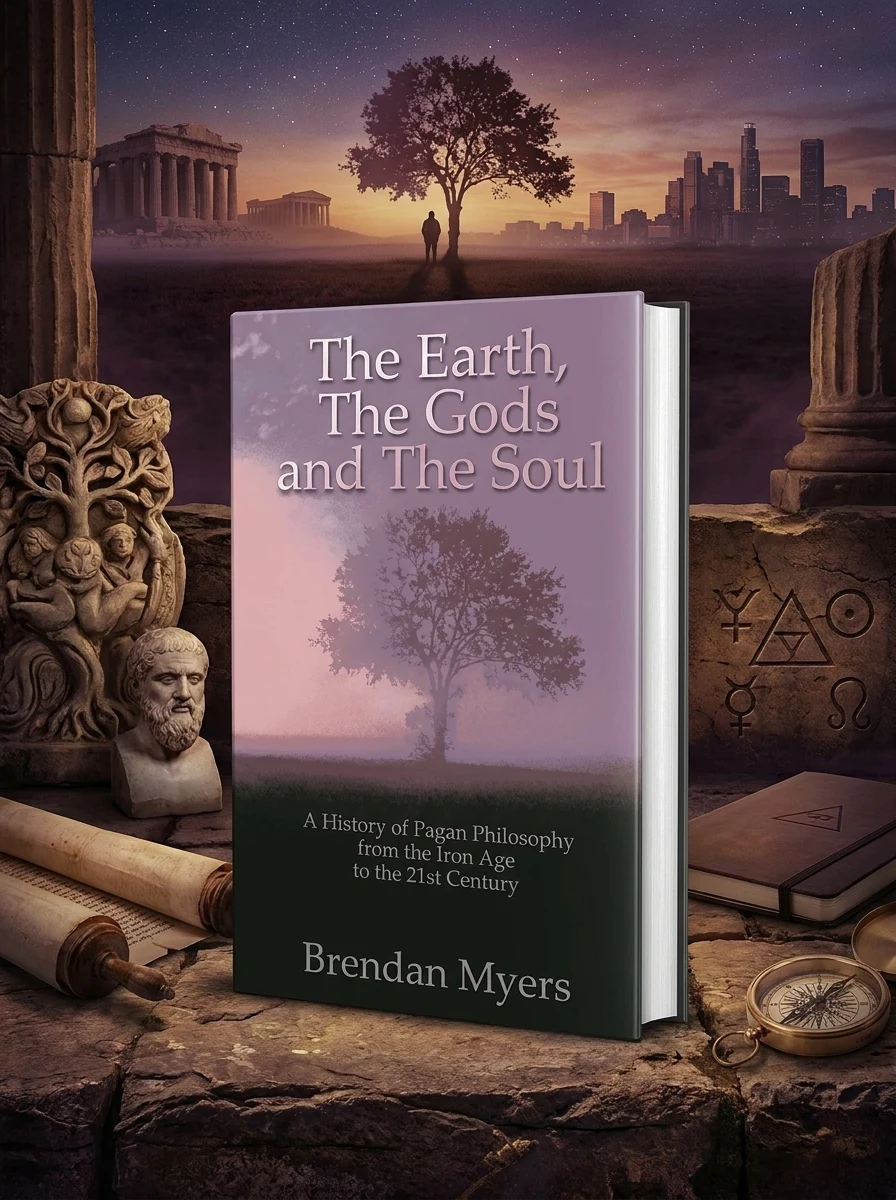
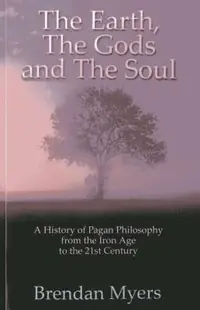
The Earth, the Gods and the Soul: A History of Pagan Philosophy, from the Iron Age to the 21st Century
Myers, BrendanThis edition can be ordered. No arrival date is confirmed.
Uncover the forgotten lineage of pagan thought, from ancient wisdom to contemporary consciousness.
Conventional intellectual histories frequently neglect the profound contributions of pagan thinkers, but this comprehensive volume finally gives them their due. Tracing a vibrant philosophical thread from the Iron Age to the present, Myers unveils a rich tapestry woven by figures as varied as emperors, hermits, mystics, and radicals. The book meticulously explores three foundational currents—Pantheism, Neoplatonism, and Humanism—linking them directly to the Earth, the Gods, and the Soul. It reveals how these traditions employed both critical reason and poetic vision to explore fundamental truths, featuring insights from leading contemporary pagan voices.
This volume situates pagan philosophy as a continuous intellectual lineage bridging ancient Iron Age wisdom with modern esoteric thought, challenging the marginalization of these traditions in conventional history. It frames paganism not merely as ritual practice but as a rigorous philosophical discipline encompassing pantheism, neoplatonism, and humanism.


📝 Description: The Earth, the Gods and the Soul: A History of Pagan Philosophy, from the Iron Age to the 21st Century
💎 Expert review
📖 Why choose it
Why this book is worth reading
Readers deeply invested in the intellectual foundations of modern Wicca and eclectic paganism will find this text indispensable for understanding the philosophical bedrock beneath their spiritual practices. Myers provides a crucial corrective to historical narratives that ignore pagan contributions, offering a structured exploration of how emperors, hermits, and radicals utilized reason and poetic vision. Those seeking to connect contemporary consciousness with ancient wisdom will appreciate the clear delineation of pantheism, neoplatonism, and humanism as enduring currents. This book serves those who wish to ground their spiritual identity in a robust, documented heritage rather than fragmented myths, providing both validation and scholarly depth for practitioners eager to engage with the 'forgotten lineage' of pagan thought.
⭐ Reader reviews
Reader rating
Myers delivers a significant corrective to the neglect of pagan thinkers in standard intellectual histories, weaving a rich tapestry from the Iron Age to the twenty-first century. By explicitly linking pantheism, neoplatonism, and humanism to the Earth, gods, and soul, the author provides a coherent framework for understanding pagan philosophy as a serious discipline. However, this is not a casual introduction or a practical ritual guide; it demands attention from readers willing to engage with dense historical and philosophical analysis. Those seeking quick tips on spellwork or superficial overviews of paganism will find little utility here. The book is best suited for scholars and committed practitioners ready to delve into the rigorous intersection of critical reason and poetic vision that defines this enduring tradition.
❓ Frequently asked questions
📖 Who should read this
For those seeking to fill gaps in conventional intellectual histories or curious about paganism's philosophical foundations, this book is essential. It offers a vital new perspective, inviting engagement with a vibrant, often radical tradition, revealing deep roots of thought beyond typical narratives.
🎯 Key themes and symbolism
Pantheism: The Earth's Divinity
This section delves into the understanding of the divine immanent in all of nature. It explores how pagan philosophers perceived the Earth itself as sacred, a living entity infused with divinity, and how this belief shaped their ethics, cosmology, and relationship with the natural world, fostering a deep ecological awareness.
Neoplatonism: Connecting with the Gods
Discover the intricate philosophical systems that sought to bridge the human realm with the divine. This theme examines how thinkers developed sophisticated metaphysical frameworks to understand the nature of the Gods, the cosmos, and the human soul's journey towards spiritual ascent and union with higher principles, offering pathways to transcendent experience.
Humanism: The Soul's Journey
Explore the pagan tradition's focus on human potential, self-discovery, and ethical living. This theme investigates how philosophers grappled with questions of personal meaning, moral conduct, and the cultivation of wisdom, often through introspection and practical philosophy, emphasizing the individual's capacity for growth and connection within the broader cosmos.
💬 Quotes from the book
“The grand narrative of philosophy has long ignored its vibrant, untamed pagan roots, rendering an incomplete portrait of human wisdom. This book seeks to correct that oversight.”
“From the Earth's immanent divinity to the soul's ascent towards the Gods, pagan thinkers, in all their radical diversity, have relentlessly pursued truth with both reason and spirit.”
📜 Historical context
📚 Glossary
- Pantheism
- Neoplatonism
- Humanism
📔 Questions to reflect on
- How might understanding philosophy's pagan roots change your perception of its modern forms and the broader intellectual tradition?
- Which of the three core traditions explored (Earth, Gods, or Soul) resonates most deeply with your own worldview, and what does that reveal about your own philosophical inclinations?
- Reflect on the idea of 'pagan philosophers' as a diverse group, including 'con artists, drug addicts, and social radicals.' How does this challenge or expand your understanding of who can be a philosopher?
✍️ More books by this author Myers, Brendan
All books by this author →
🏛 Books from this publisher Moon Books
All books from this publisher →

 81
81
 89
89
You might also like
See more →

 91
91
 91
91