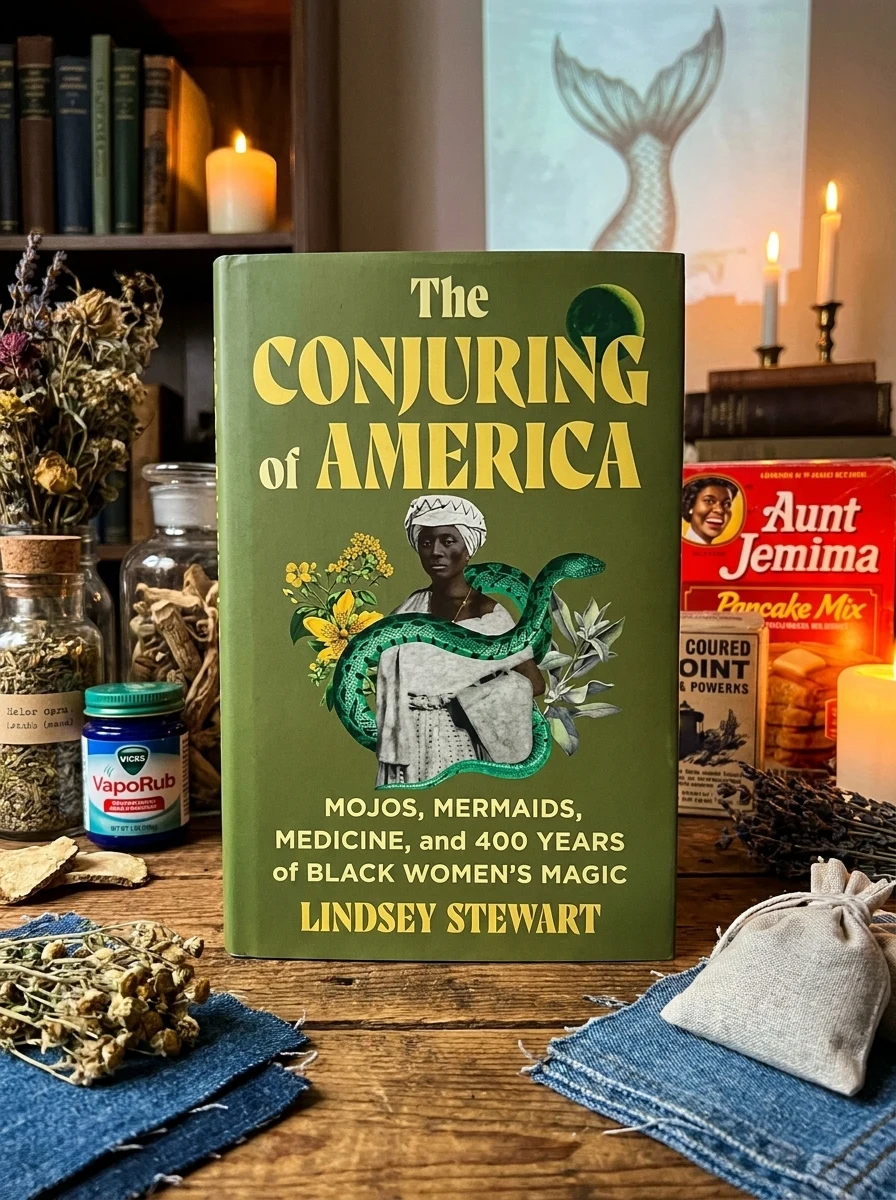
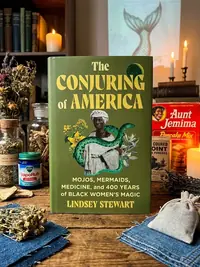
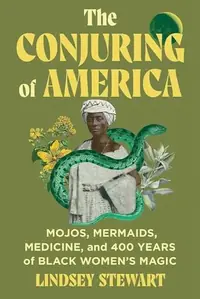
The Conjuring of America: Mojos, Mermaids, Medicine, and 400 Years of Black Women's Magic
Stewart, LindseyStock reported in the catalog; fulfillment is confirmed with your request.
Uncover the hidden magic woven by Black women into the very fabric of American culture.
This groundbreaking work illuminates a previously obscured dimension of American history, revealing how Black women, often enslaved, wielded ancestral magic to shape the nation's cultural, spiritual, and wellness landscape. From the depths of plantation life, these conjure women ingeniously blended West African traditions with local herbal knowledge, creating a clandestine wellspring of healing and power. Author Lindsey Stewart traces these practices, demonstrating their enduring influence on everything from traditional remedies to iconic cultural touchstones, showcasing magic as a profound act of resistance and survival against oppression and systemic racism.
This work sits at the intersection of esoteric history and African American studies, exploring the clandestine spiritual practices known as conjure or hoodoo that emerged from enslaved West African traditions in America. It challenges mainstream historical narratives by centering Black women's magical agency as a foundational element of US cultural identity.


📝 Description: The Conjuring of America: Mojos, Mermaids, Medicine, and 400 Years of Black Women's Magic
💎 Expert review
📖 Why choose it
Why this book is worth reading
You should read this book if you are deeply interested in the hidden spiritual undercurrents of American history and the resilience of marginalized communities. It is essential for practitioners seeking to understand the ancestral roots of herbal medicine and conjure work, offering a respectful look at how Black women used magic as survival against oppression. Readers who value intersectional feminism and esoteric traditions will find profound insights into how these practices shaped wellness and cultural touchstones. It provides a necessary correction to historical erasure, celebrating the ingenuity and power of those who wielded ancestral knowledge in hostile environments. This is not just for scholars but for anyone wanting to connect with the authentic, lived experience of spiritual resistance.
⭐ Reader reviews
Reader rating
Stewart’s work is a vital corrective to obscured histories, beautifully detailing how enslaved Black women blended West African traditions with local herbalism. It succeeds in framing magic as an act of resistance, offering rich cultural context for modern practitioners. However, readers seeking purely technical spell-casting instructions or dry academic historiography may find its narrative approach lacking in practical utility or statistical rigor. It is best suited for those interested in the socio-spiritual impact of these practices rather than those looking for a simple grimoire. While some might desire more specific ritual details, the book’s strength lies in its historical illumination and celebration of survival.
❓ Frequently asked questions
📖 Who should read this
If you seek to understand the profound, often invisible, influence of Black women's spiritual ingenuity on American culture, and desire a more complete historical narrative, this book is essential. It's for those ready to acknowledge magic as a vital force in shaping national identity.
🎯 Key themes and symbolism
Magic as Resistance
Explore how enslaved and free Black women transformed ancestral spiritual practices into powerful tools of survival and defiance. This work reveals magic not as superstition, but as a strategic, clandestine system for healing, protection, and empowerment, meticulously cultivated to counter the brutal realities of slavery and systemic oppression.
Enduring Cultural Threads
Discover the profound and often uncredited impact of Black women's magical practices on everyday American life. From folk remedies to iconic commercial products and even popular entertainment, the book meticulously unearths the hidden genealogies of cultural elements we take for granted, demonstrating their roots in conjure traditions.
Ancestral Healing Traditions
Delve into the syncretic spiritual and medicinal systems developed by conjure women. This book highlights the ingenious fusion of West African spiritual heritage with indigenous herbal knowledge, forming potent therapeutic remedies. It examines how these practices provided essential physical and spiritual wellness for Black communities facing immense adversity.
💬 Quotes from the book
“The seemingly mundane blue jean, a symbol of American resilience and individualism, carries a hidden lineage, a thread woven not by industrial looms but by the protective spells and practical needs of conjure women.”
“In the crucible of enslavement, Black women did not merely survive; they conjured. They crafted a spiritual lexicon, a language of healing and resistance that transcended the brutality of their circumstances.”
📜 Historical context
📚 Glossary
- Conjure
- Mojo
- Water Bearers
📔 Questions to reflect on
- How might understanding the magical origins of everyday American cultural elements change your perception of their significance and history?
- Reflect on how systems of oppression often obscure or appropriate the cultural contributions of marginalized groups. What other examples come to mind?
- Consider the concept of 'secret wells of power.' How do marginalized communities today create and maintain their own forms of resilience and hidden strength?
✍️ More books by this author Stewart, Lindsey
All books by this author →
🏛 Books from this publisher Legacy Lit
All books from this publisher →You might also like
See more →
 91
91
 91
91
 91
91
 91
91
 91
91