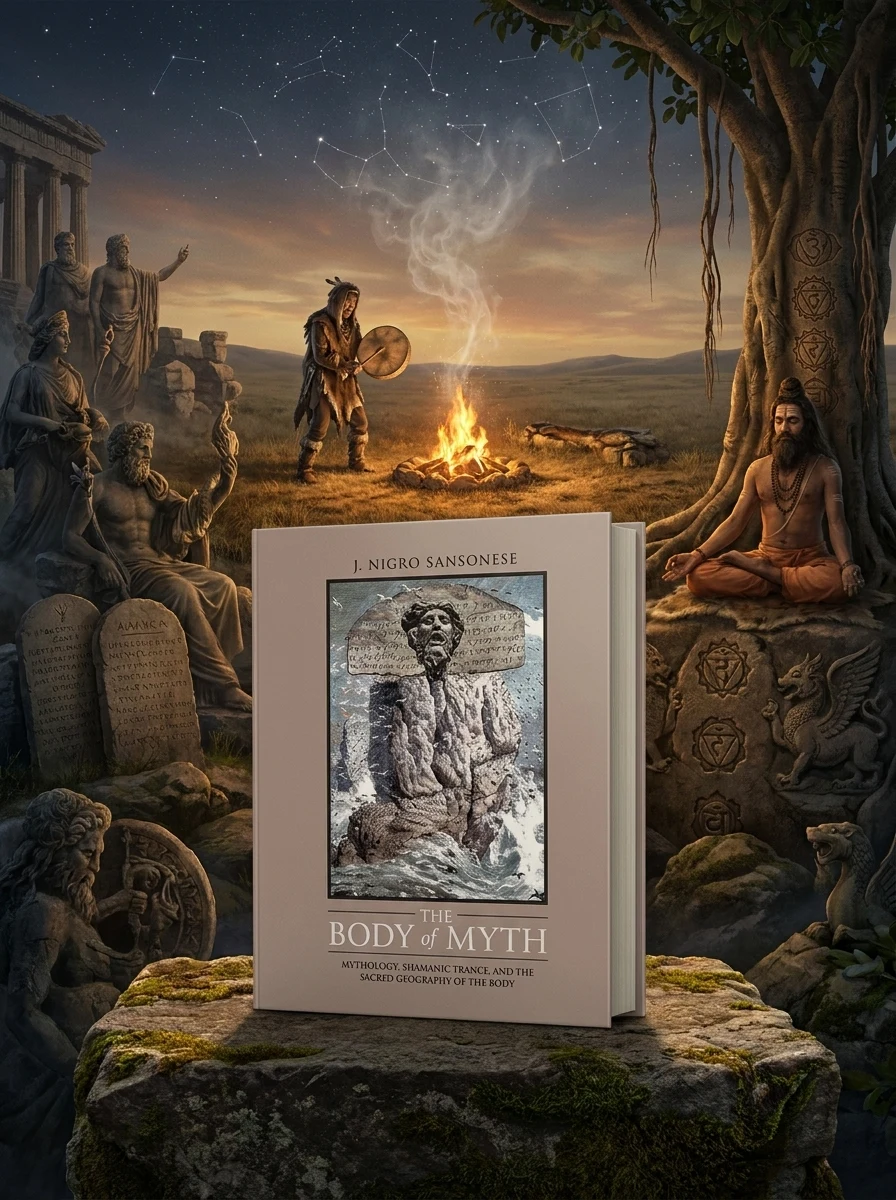
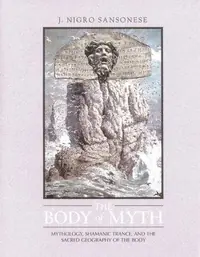
The Body of Myth: Mythology, Shamanic Trance, and the Sacred Geography of the Body (Original)
This edition can be ordered. No arrival date is confirmed.
Uncover the ancient wisdom hidden within your own nervous system, mapped by timeless myths.
Sansonese's groundbreaking work reveals how the foundational myths of Western and Indian cultures are not mere stories, but intricate descriptions of altered states of consciousness. He posits that the Indo-European ancestors, through shamanic trance, accessed profound inner awareness. As these traditions evolved, this esoteric knowledge was encoded into narratives and practices like yoga. By drawing parallels between Greek myths, Judeo-Christian lore, and yogic traditions, Sansonese argues that these ancient tales provide a detailed blueprint of the human body's neurological responses during deep meditative or trance states, presenting a natural, inherent heritage accessible to all.
This work bridges comparative mythology and esoteric physiology, situating itself within the lineage of Western esotericism and shamanic studies that interpret ancient narratives as maps of inner consciousness.


📝 Description: The Body of Myth: Mythology, Shamanic Trance, and the Sacred Geography of the Body (Original)
💎 Expert review
📖 Why choose it
Why this book is worth reading
Readers deeply fascinated by the intersection of neurobiology, ancient mythology, and shamanic practice will find this book indispensable. It offers a transformative perspective for those who feel that traditional religious or mythological stories are merely literal histories rather than encoded guides to altered states of consciousness. By revealing how Indo-European ancestors mapped their nervous systems through trance, it empowers individuals to reclaim this inherent heritage. If you seek to understand the physiological roots of spiritual experiences and wish to decode the sacred geography hidden within your own body, this text provides a profound, natural blueprint for accessing deeper awareness without relying on external dogma.
⭐ Reader reviews
Reader rating
Sansonese presents a bold thesis linking Greek myths, Judeo-Christian lore, and yogic traditions to specific neurological responses. While intellectually stimulating for those versed in comparative religion and esoteric anatomy, the book may alienate readers seeking straightforward historical analysis or simple spiritual instruction without scientific or physiological context. It is not suited for those who view mythology strictly as literature or folklore rather than technical manuals for consciousness exploration. The dense integration of shamanic trance mechanics with mythological narrative requires a specific mindset. However, for the dedicated student of esotericism, it serves as a crucial key to unlocking the hidden biological wisdom encoded in our oldest stories.
❓ Frequently asked questions
📖 Who should read this
If you're captivated by the hidden meanings in ancient stories, or seek a bridge between spiritual traditions and embodied experience, this book offers a profound new lens. It will appeal to those who ponder the origins of consciousness and the esoteric dimensions of human physiology.
🎯 Key themes and symbolism
Myths as Neurological Maps
This book posits that ancient myths, from Greek pantheons to biblical narratives, serve as allegorical blueprints for the human nervous system's experiences during deep trance. It argues that these stories aren't just cultural artifacts but rather detailed, symbolic guides to inner states of consciousness, revealing physiological and psychological phenomena encountered during profound spiritual practice.
Shamanic Origins of Myth
Sansonese traces the roots of Indo-European myths back to a shared ancestral culture on the Eurasian steppes, where shamanic trance was a central religious practice. The book suggests that as these peoples migrated, the direct experience of trance became less common, but its profound insights were preserved and transmitted through the rich tapestry of their developing mythologies and spiritual disciplines.
Yoga and Western Esotericism
A core argument of the book is the profound connection between Indian yogic practices and Western mythological traditions. It demonstrates how techniques designed to induce altered states in yoga find their symbolic counterparts in the narratives of Greek and Judeo-Christian myths, suggesting a shared, underlying understanding of consciousness and its activation through specific bodily awareness and mental states.
💬 Quotes from the book
“The serpentine journey of the hero, traversing perilous landscapes and confronting monstrous foes, is but an externalized map of the awakened energies coursing through the spinal column.”
“Before the philosopher's stone, before the alchemist's retort, the true laboratory of transformation lay within the ecstatic tremor of the ancient shaman, a primal awakening echoed in every sacred text.”
📜 Historical context
📚 Glossary
- Shamanic Trance
- Sacred Geography of the Body
- Indo-European Tradition
📔 Questions to reflect on
- Consider a myth you know well. How might its events or characters correspond to internal bodily sensations or states of consciousness?
- Reflect on a personal experience of intense focus or altered awareness. Can you identify any parallels with the 'shamanic trance' described in the book?
- If myths are maps of the body, what kind of 'journey' does your own mythology, as you perceive it, describe within you?
🏛 Books from this publisher Inner Traditions International
All books from this publisher →



You might also like
See more →
 91
91