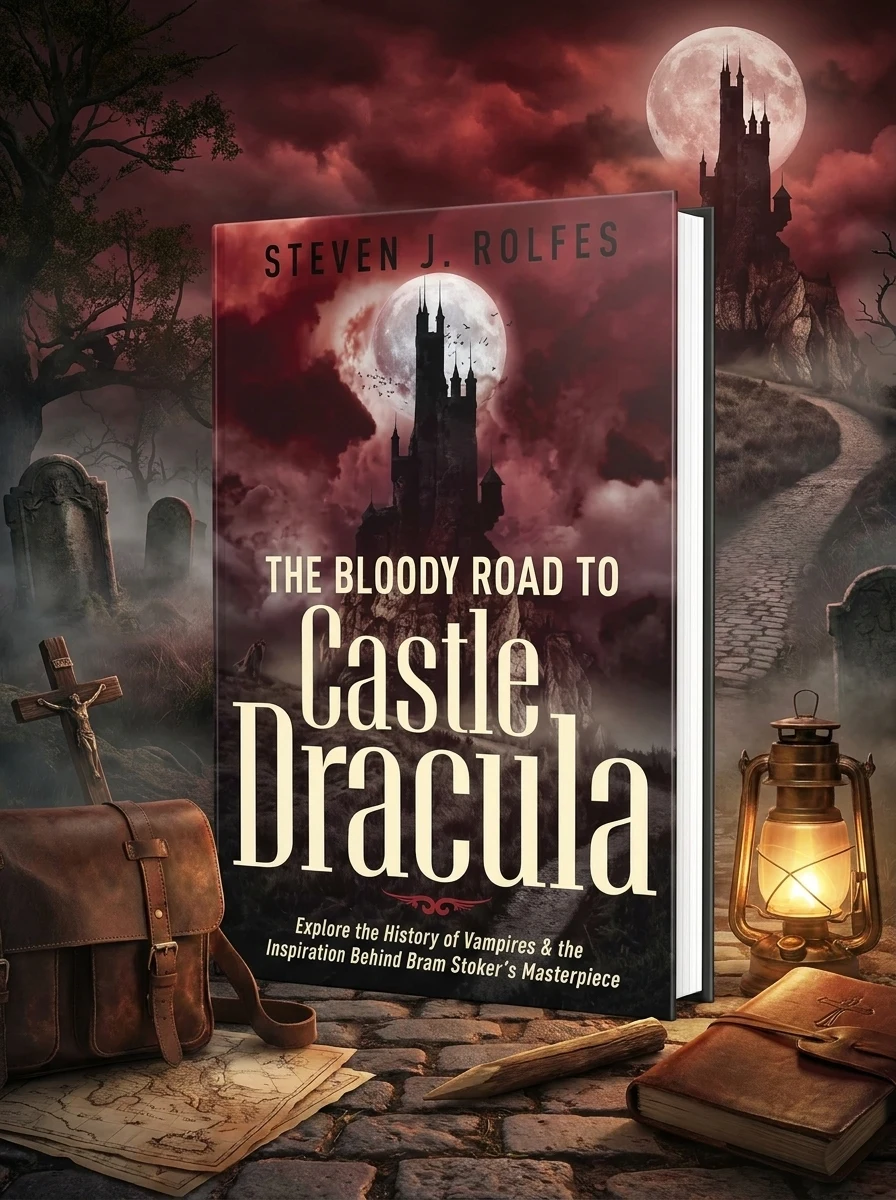
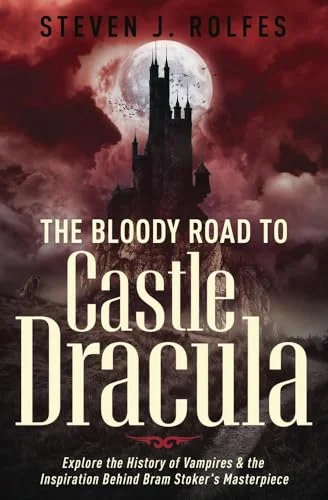
The Bloody Road to Castle Dracula: Explore the History of Vampires & the Inspiration Behind Bram Stoker's Masterpiece
✍️ Rolfes, Steven JSteven J. Rolfes embarks on a captivating journey, meticulously blending scholarly rigor with an adventurer's spirit to explore the profound origins of the vampire legend. This insightful volume delves into the often-bloody historical realities, cultural superstitions, and ancient folklore that eventually culminated in Bram Stoker's immortal creation, Dracula. Readers will discover the intricate connections between real-world figures, societal fears, and the supernatural beliefs that forged one of literature's most enduring monsters. It's an essential read for anyone seeking to understand the deep roots of our fascination with the undead.


📝 Description: The Bloody Road to Castle Dracula: Explore the History of Vampires & the Inspiration Behind Bram Stoker's Masterpiece
📑 What's inside
- Acknowledgments xiii
- Introduction 1
- Chapter 1: The Origin and Nature of the Vampire 7
- Chapter 2: Tambora 27
- Chapter 3: The Players Assemble 43
- Chapter 4: The Sleep of Reason Produces Monsters 71
- Chapter 5: It's Alive! 87
- Chapter 6: Dueling Vampires 101
- Chapter 7: From Moonlight to Limelight 125
- Chapter 8: Le Fanu 137
- Chapter 9: Enter Bram Stoker 153
- Chapter 10: The Devil You Say 165
- Chapter 11: A Holiday at the Beach 181
- Chapter 12: Vlad 193
- Chapter 13: "I Am Dracula" 209
- Chapter 14: Bringing It All Together 233
- Chapter 15: The Lair 263
- Chapter 16: The Celluloid Dracula 279
- Conclusion 289
- Bibliography 291
💎 Expert review
📖 Why choose it
Why this book is worth reading
Readers who crave a deep, intellectual dive into the origins of supernatural lore will find this book exceptionally rewarding. Steven J. Rolfes offers a captivating journey that satisfies both the scholar’s desire for rigor and the adventurer’s thirst for dark tales. If you are fascinated by how real-world figures and societal fears coalesced into Bram Stoker’s masterpiece, this text provides essential context. It is perfect for those who want to understand the profound roots of our enduring fascination with the undead, moving beyond simple horror to explore the cultural superstitions that forged one of literature's most enduring monsters.
⭐ Reader reviews
Reader rating
Rolfes successfully blends scholarly research with an engaging narrative voice, making the history of vampires accessible yet substantive. The book excels at connecting ancient folklore to Stoker’s specific inspirations, offering a cohesive view of the myth’s development. However, this is not a work of fiction or a quick horror anthology; it requires patience for historical detail and cultural analysis. Readers seeking pure entertainment, graphic gore, or simple ghost stories will likely find the academic tone dry and unengaging. It suits those interested in the 'how' and 'why' behind the legend rather than just the spooky results.
❓ Frequently asked questions
📖 Who should read this
If you're captivated by the intersection of chilling folklore, rigorous historical investigation, and literary genesis, this book is for you. It's perfect for those seeking to understand the deep, often bloody roots of our enduring fascination with the undead, from ancient fears to modern masterpieces.
🎯 Key themes and symbolism
Historical Vampire Roots
The book meticulously traces the evolution of vampire beliefs from ancient global lore to later European manifestations. It illustrates how historical events, cultural anxieties, and genuine human fears about death and disease profoundly shaped the nascent myths of blood-drinking entities, showcasing their diverse forms before modern interpretations.
Dracula's True Inspiration
Rolfes delves into the real-world figures and historical contexts, particularly those from Eastern European history, that Bram Stoker skillfully transmuted into his iconic antagonist. This section reveals the compelling blend of fact, folklore, and creative genius that gave birth to the literary count, moving beyond mere legend to historical influence.
Folklore and Social Science
This work explores the cultural, psychological, and sociological aspects underpinning vampirism throughout history. It analyzes how these enduring legends reflect societal fears, collective superstitions, and humanity's perennial encounter with mortality and the unknown, demonstrating the myth's deep resonance across different eras and communities.
📜 Historical context
📚 Glossary
- Nosferatu
- Revenant
- Folklore
📔 Questions to reflect on
- How do historical atrocities and personal fears intertwine to create lasting mythical figures like the vampire?
- Consider how societal anxieties about death, disease, or 'the other' might manifest in contemporary folklore or popular culture.
- What elements of the classic vampire myth still resonate with you today, and why do you think they endure across generations?