The Bahir (Revised)
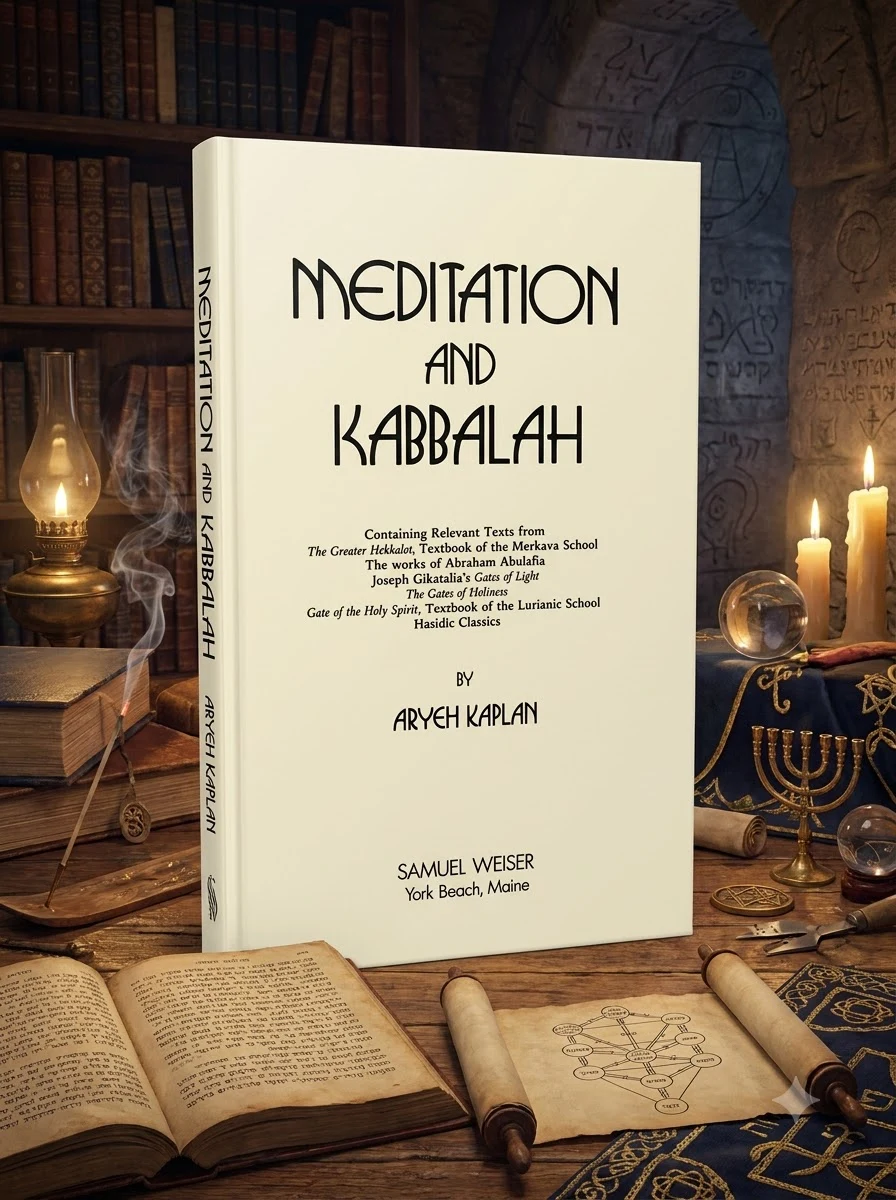
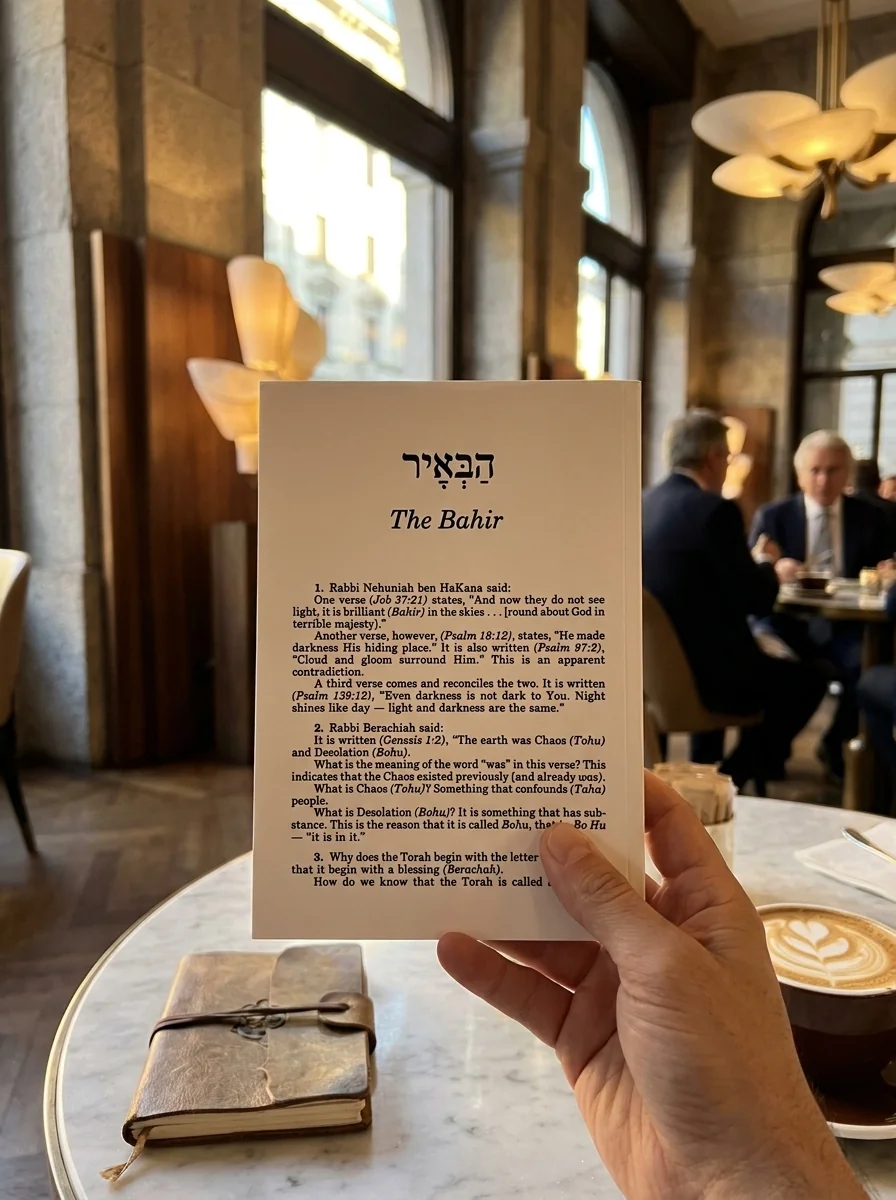
✍️ Kaplan, AryehDelve into "The Bahir," a foundational cornerstone of Kabbalistic thought, predating even the renowned Zohar in its influence. This compact yet profoundly esteemed work was a primary source for early mystics, shaping the landscape of Jewish esotericism. Often attributed to Rabbi Nehuniah ben HaKana and his circle, its enigmatic teachings illuminate divine mysteries. First appearing in the 12th century, it continues to be a vital key for understanding the deeper currents of Kabbalah, referenced throughout centuries of mystical scholarship.


📝 Description: The Bahir (Revised)
💎 Expert review
📖 Why choose it
Why this book is worth reading
This text is essential for those seeking to understand the deep currents of Jewish mysticism that have influenced Western esotericism for centuries. Readers who appreciate ancient whispers of divine mystery and the intellectual rigor required to decode foundational Kabbalistic teachings will find profound value here. It offers a vital key to unlocking the enigmatic teachings attributed to Rabbi Nehuniah ben HaKana and his circle, providing context for later mystical scholarship. If you are dedicated to tracing the lineage of Jewish esoteric thought from its earliest influential forms, this revised edition by Aryeh Kaplan provides the necessary illumination for your study.
⭐ Reader reviews
Reader rating
Kaplan’s revision of The Bahir is a scholarly triumph for serious students of Kabbalah, offering clarity on a text that predates and influenced the Zohar. However, it is not suited for casual readers seeking accessible spiritual self-help or those uninterested in dense theological analysis. The work demands patience and a willingness to engage with ancient, enigmatic concepts without modern simplification. It may frustrate readers looking for straightforward narrative or practical application, as its value lies strictly in its historical and doctrinal significance within Jewish mysticism. Only those prepared for rigorous intellectual engagement should approach this volume.
❓ Frequently asked questions
📖 Who should read this
If you seek to understand the very wellsprings of Kabbalistic wisdom, "The Bahir" is essential. It's for those ready to engage with a profound, compact text that shaped centuries of esoteric thought. Prepare for a deep dive into foundational Jewish mysticism.
🎯 Key themes and symbolism
Roots of Kabbalistic Thought
"The Bahir" stands as one of the earliest and most pivotal texts in the Kabbalistic tradition. Before the Zohar gained prominence, this work was widely cited by mystics and scholars, laying crucial groundwork for subsequent esoteric developments within Judaism. It provides a primary lens into the initial flourishing of Kabbalistic ideas.
Unveiling Divine Mysteries
Drawing its very name from a verse in Job, "The Bahir" offers profound insights into the hidden aspects of existence. Its teachings, though concise, delve into the nature of the divine and the structure of creation through esoteric interpretations. It invites readers to look beyond the surface, seeking deeper spiritual truths.
Ancient Attribution & Influence
While its exact authorship is debated, "The Bahir" is traditionally linked to Rabbi Nehuniah ben HaKana and his school, suggesting an ancient lineage. Its publication in the 12th century by Provence Kabbalists cemented its place, and its frequent citation by figures like Ramban and within the Zohar underscores its historical authority.
📜 Historical context
📚 Glossary
- Kabbalah
- Zohar
- Ramban
📔 Questions to reflect on
- How might a compact, ancient text like "The Bahir" continue to offer profound insights relevant to contemporary spiritual seekers?
- Consider the concept of "brilliant light" (Bahir) as a metaphor for divine wisdom. How does this imagery resonate with your understanding of spiritual illumination?
- "The Bahir" predated the Zohar as a primary Kabbalistic source. How might the evolution of mystical texts influence the way we approach and interpret ancient wisdom today?