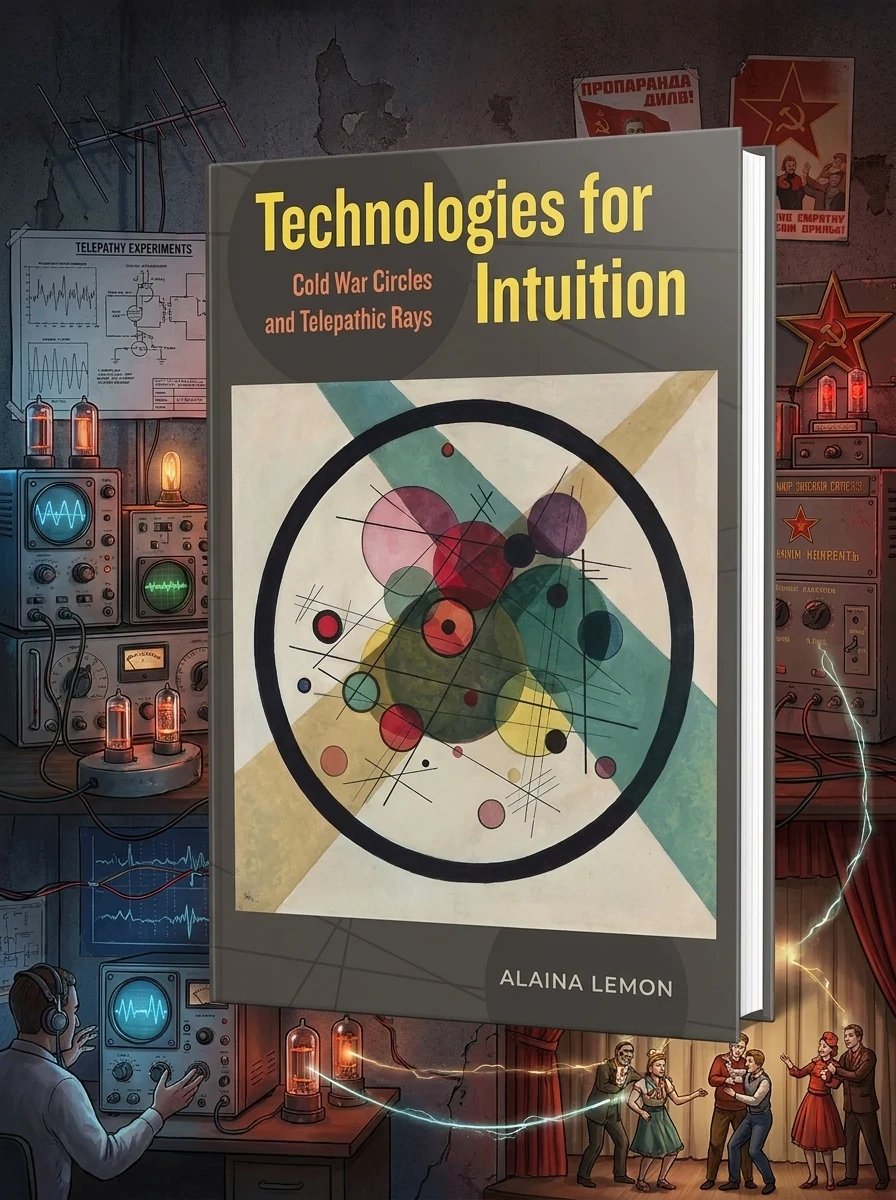
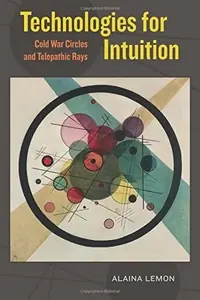
Technologies for Intuition: Cold War Circles and Telepathic Rays
Lemon, AlainaStock reported in the catalog; fulfillment is confirmed with your request.
Explore how Cold War paranoia birthed the modern obsession with telepathy and psychic channels.
Lemon excavates the fascinating intersection of geopolitical tension and paranormal belief during the Cold War era. This ethnography reveals how both American and Soviet cultures became obsessed with the mechanics of communication, viewing telepathy not merely as magic, but as a contested technological frontier. By analyzing telepathy experiments and empathy drills, the text demonstrates how political propaganda and media jamming fears shaped theoretical models of intuition. It argues that these historical anxieties still define how we perceive psychic connection today, turning the invisible into a battlefield of power and perception.
This work situates itself within the intersection of Cold War geopolitical history and the sociology of the paranormal, examining how state-level anxieties reshaped public understanding of psychic phenomena.


📝 Description: Technologies for Intuition: Cold War Circles and Telepathic Rays
💎 Expert review
📖 Why choose it
Why this book is worth reading
Readers fascinated by the hidden architectures of belief will find this text indispensable. It offers a profound look at how fear and propaganda can manufacture reality, specifically regarding telepathy and intuition. If you are interested in the historical roots of modern spiritualism or the political manipulation of science, this book provides critical insight into how invisible forces were weaponized during times of global tension. It is essential for understanding how contemporary views on psychic connection are not just mystical but deeply embedded in historical power dynamics and technological anxieties.
⭐ Reader reviews
Reader rating
Came across this title in a footnote and had to track it down. The print is clean and easy on the eyes for long sessions. It rewards patience more than any book I've bought this year. If you're drawn to this subject, don't hesitate.
I collect works on this subject and this is a worthy addition. It reads better in small doses — a chapter at a time with notes. The print is clean and easy on the eyes for long sessions. Recommended if you're ready to do the work.
Lemon’s ethnography is a rigorous academic exercise that may alienate casual enthusiasts seeking practical psychic guidance or simple historical narratives. The text demands patience, focusing heavily on the mechanics of communication and geopolitical tension rather than personal anecdotes or mystical experiences. Readers looking for straightforward occult instruction or lighthearted Cold War trivia will likely find the dense theoretical framework regarding media jamming and empathy drills too dry and abstract. This is a scholarly analysis of power, not a guide to intuition.
❓ Frequently asked questions
📖 Who should read this
Readers fascinated by the history of science, Cold War culture, and the sociology of paranormal beliefs. Ideal for those who view psychic phenomena through a political lens rather than a purely mystical one.
🎯 Key themes and symbolism
Telepathic Espionage
Phaticity and Channel Theory
Cold War Geopolitics
💬 Quotes from the book
“Contact and channel shift in significance over time, through events and political relations.”
“Judging them weak or strong, blocked or open.”
📜 Historical context
📔 Questions to reflect on
- How might your current political anxieties influence your perception of 'connection' with others?
- In what ways do you judge the 'strength' of a communication channel in your daily life?
- Can you identify modern technologies that have replaced telepathy as the ultimate form of secret communication?
✍️ More books by this author Lemon, Alaina
All books by this author →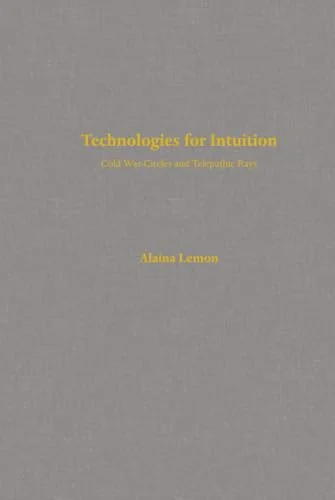
🏛 Books from this publisher University of California Press
All books from this publisher →


 89
89

You might also like
See more →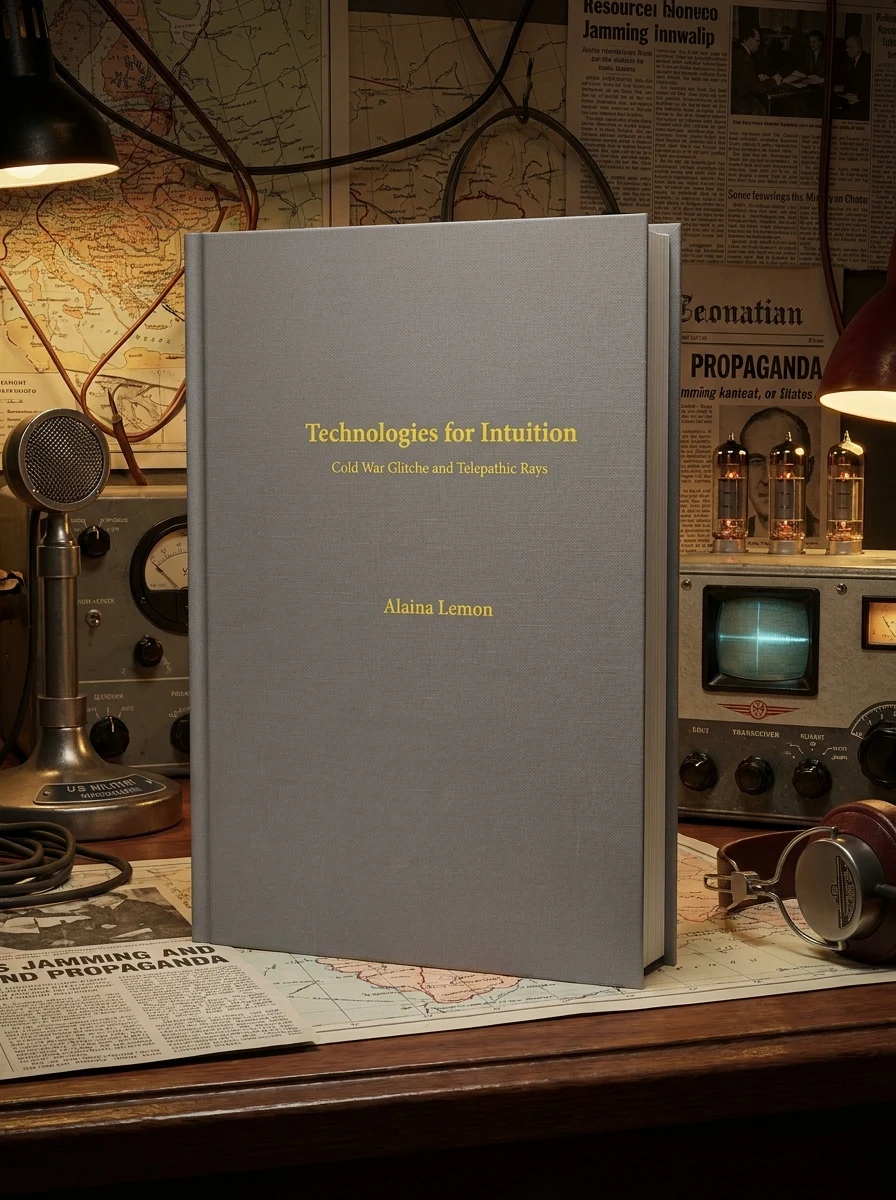


 91
91
 91
91