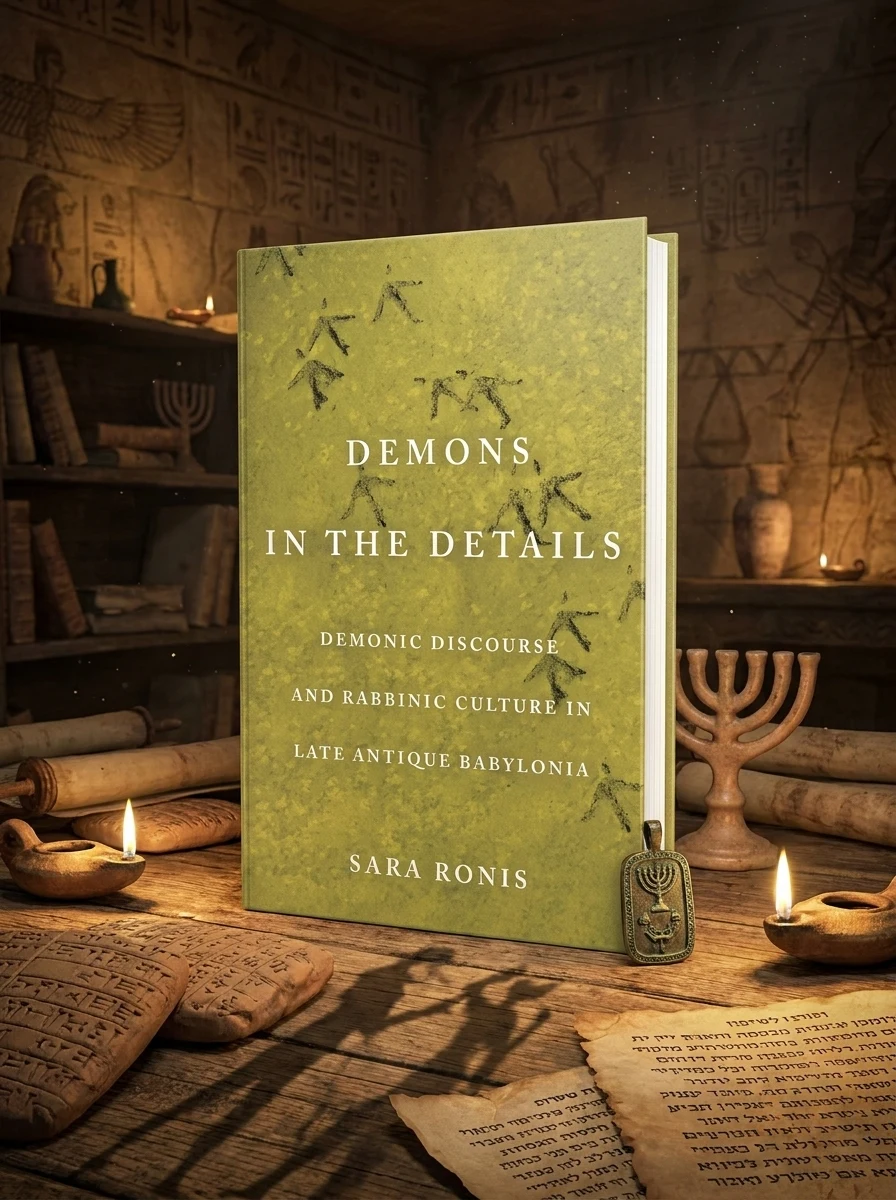
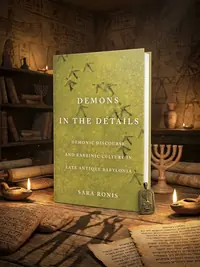
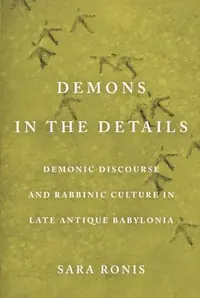
Demons in the Details: Demonic Discourse and Rabbinic Culture in Late Antique Babylonia
Stock reported in the catalog; fulfillment is confirmed with your request.
Uncover the hidden world of demons shaping ancient rabbinic thought and daily life in Babylonian Judaism.
This compelling study delves into the pervasive presence of demonic forces within the Babylonian Talmud. Dr. Ronis meticulously examines how ancient rabbis grappled with these entities, not merely as mythological figures, but as active participants in their theological and legal frameworks. She explores the narratives of demonic encounters and the intricate legal statutes designed to manage and mitigate their influence, revealing a complex world where the supernatural intersected profoundly with daily life and religious practice in late antique Babylonia.
This scholarly work situates itself within the study of late antique Babylonia, exploring the intersection of rabbinic culture and demonic discourse in ancient Judaism. It bridges academic theology and historical anthropology by analyzing how supernatural beliefs influenced legal and daily frameworks.


📝 Description: Demons in the Details: Demonic Discourse and Rabbinic Culture in Late Antique Babylonia
💎 Expert review
📖 Why choose it
Why this book is worth reading
Scholars of late antique religion and specialists in rabbinic literature will find this text indispensable for its deep dive into the lived spiritual reality of Babylonian Jews. Sara Ronis offers a compelling lens through which to view the Talmud not just as legal code, but as a document grappling with tangible supernatural threats. Readers interested in the history of magic, demonology, or the sociological impact of fear will appreciate how the author reveals the intricate statutes designed to mitigate demonic influence. It is essential for those seeking to understand how theological frameworks were actively shaped by the perceived presence of evil forces in daily life, providing a nuanced view of ancient worldview construction.
⭐ Reader reviews
Reader rating
Ronis provides a rigorous academic examination of demonic entities within the Babylonian Talmud, treating them as active participants in legal and theological discourse rather than mere mythological abstractions. While the analysis is meticulous and illuminating for those studying late antique religious structures, it may not suit casual readers seeking narrative adventure or practical occult guidance. The dense focus on rabbinic legal frameworks and cultural context demands patience and prior familiarity with Talmudic studies. It is best reserved for academics and serious students of esoteric history who can appreciate the scholarly rigor over accessible storytelling.
❓ Frequently asked questions
📖 Who should read this
For scholars of ancient Judaism, religion, and the occult, or anyone fascinated by the intersection of law, folklore, and theology. If you seek to understand the profound spiritual undercurrents of the Talmud, this meticulous study offers unparalleled insight.
🎯 Key themes and symbolism
Talmudic Demonic Discourse
Ronis meticulously analyzes the myriad references to demons within the Babylonian Talmud, revealing how these entities were integrated into rabbinic narratives and legal discussions. She demonstrates that these weren't peripheral myths, but central figures in shaping spiritual understanding and practical halakha, showcasing a rich tapestry of supernatural belief.
Rabbinic Supernatural Worldview
The book offers a window into the late antique rabbinic mind, illustrating how spiritual leaders navigated a world where unseen forces were palpable and influential. It explores how rabbis perceived, categorized, and legislated against or alongside demonic entities, reflecting a comprehensive cultural framework where the mundane and the metaphysical were deeply intertwined.
Regulating Demonic Interactions
A core focus is on the legal and ritual measures developed by the rabbis to address demonic interference. Ronis unpacks the specific laws and practices intended to protect individuals, purify spaces, and manage encounters with these entities, showcasing the practical application of spiritual beliefs in shaping communal and personal conduct.
💬 Quotes from the book
“The rabbinic mind did not merely acknowledge the demonic; it sought to categorize, contextualize, and ultimately, to control its perceived intrusions into the human sphere.”
“Far from being relegated to folklore, demonic entities were woven into the very fabric of halakha, influencing daily rituals, dietary laws, and even marital practices.”
📜 Historical context
📚 Glossary
- Babylonian Talmud
- Late Antiquity
- Rabbinic Canon
📔 Questions to reflect on
- How do ancient beliefs about unseen forces continue to manifest, overtly or subtly, in modern religious or secular thought?
- Consider how a culture's understanding of 'evil' or 'supernatural threats' shapes its legal systems or social norms. What parallels can you draw with contemporary society?
- Reflect on a time when you or your community grappled with something inexplicable. How did you attempt to rationalize, regulate, or cope with that unknown?
🏛 Books from this publisher University of California Press
All books from this publisher →



 89
89
You might also like
See more →