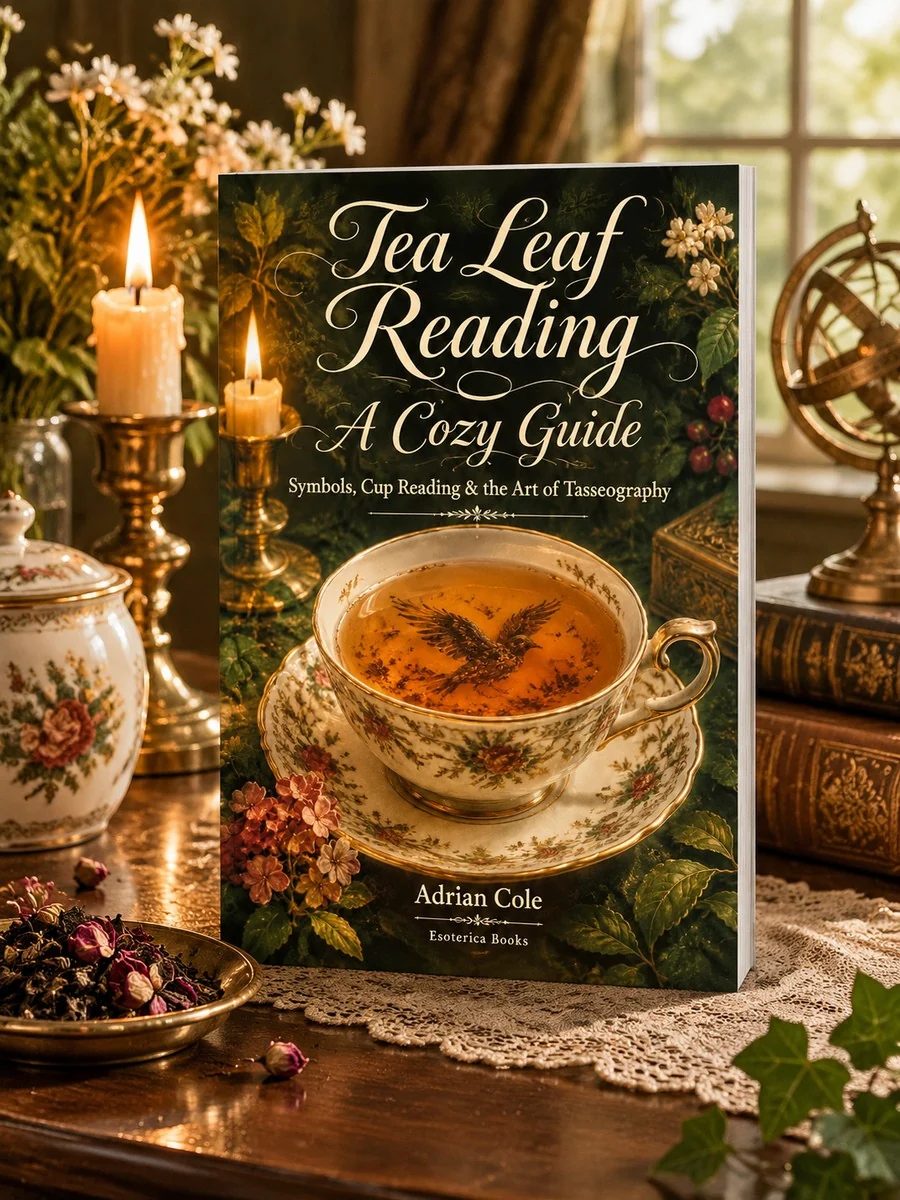
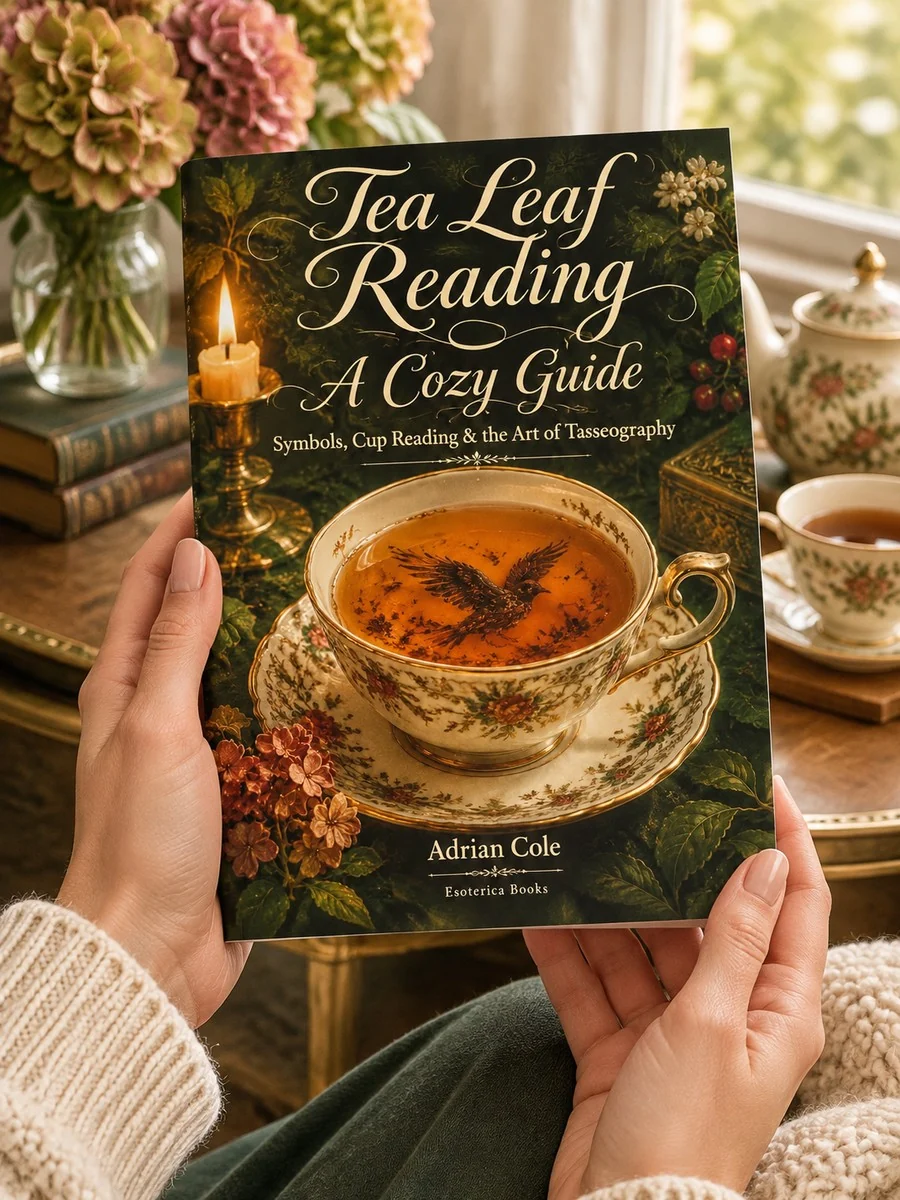
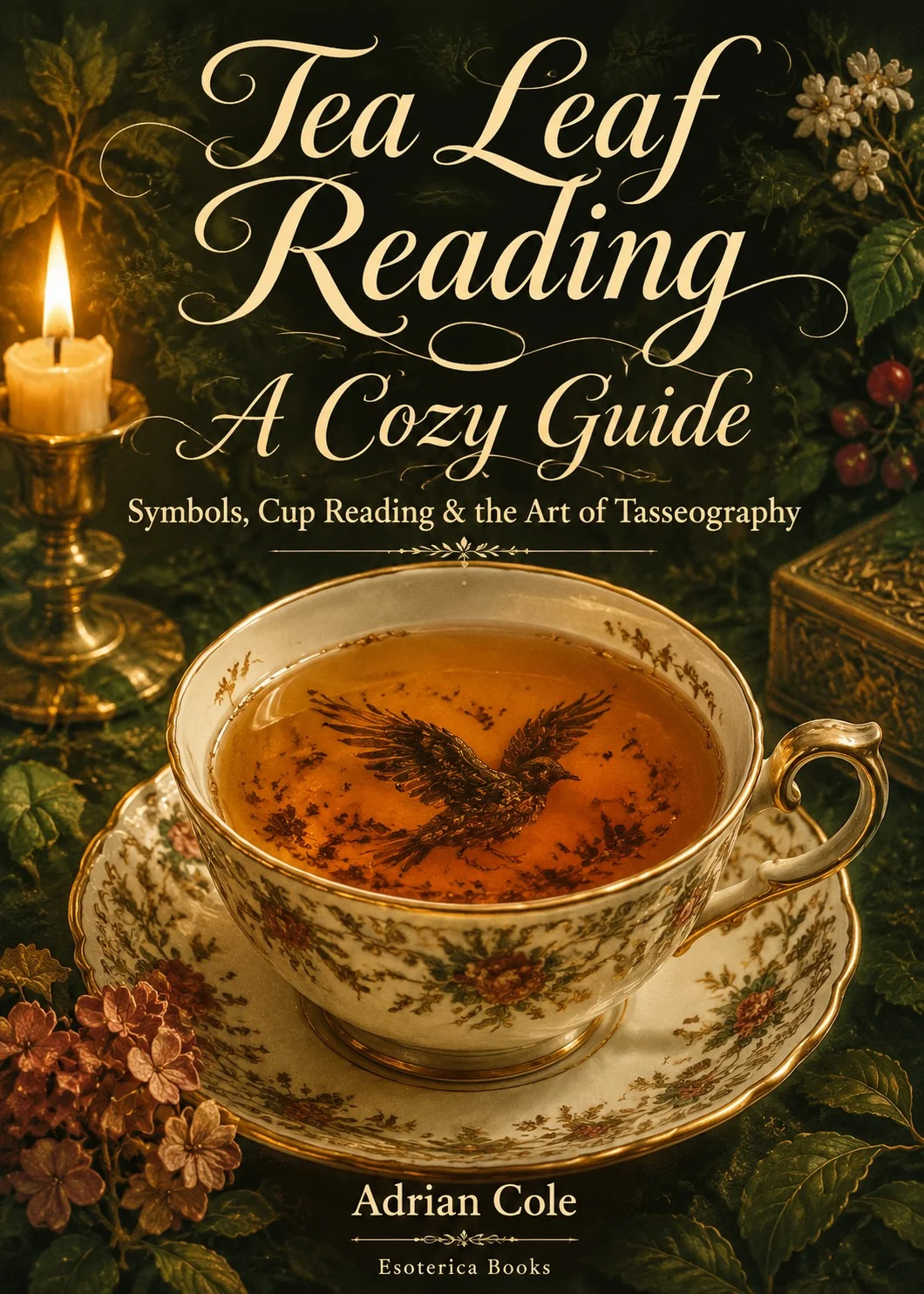
Tea Leaf Reading: A Cozy Guide
Learn the art of tea leaf reading with a simple six-step method, traditional symbols, and your own cup-reading journal.
Discover tea leaf reading, the traditional art of interpreting shapes and patterns left by loose-leaf tea. Using the original T.E.A.C.U.P. Method, Adrian Cole guides beginners through choosing the right tea and cup, preparing a reading, recognizing familiar symbols, and understanding the traditional meanings of the rim, middle, and bottom. Explore birds, flowers, hearts, keys, and other familiar images, then learn to combine them into a thoughtful interpretation. With practical examples, guided exercises, and a personal symbol journal, this cozy guide makes tasseography approachable at home and with friends.
Tasseography belongs to a wider tradition of interpreting patterns left by tea leaves and sharing their meanings through conversation. Tea leaf reading has appeared in different social and cultural settings, with individual practitioners developing their own approaches to symbols and cup positions.


📝 Description: Tea Leaf Reading: A Cozy Guide
📖 Why choose it
Why this book is worth reading
The appeal of tea leaf reading lies in its combination of simple materials, visual curiosity, and personal interpretation. This guide makes the process approachable by giving beginners a repeatable six-step framework instead of asking them to memorize an enormous collection of symbols. Its strongest practical feature is the connection between individual images, their positions in the cup, and the question behind the reading. You can begin with a familiar cup of loose-leaf tea and gradually develop a distinctive reading style.
⭐ Reader reviews
Reader rating
Tea Leaf Reading: A Cozy Guide offers a clear introduction to tasseography, with its strongest feature being the T.E.A.C.U.P. Method. The six steps provide a useful progression from choosing tea and preparing the cup to identifying shapes and combining symbols into a complete interpretation. The preview is particularly effective when demonstrating the first reading: the equipment, brewing process, three cup positions, and journaling instructions are all concrete and accessible. The twelve-chapter structure also gives beginners a sensible route toward independent practice. Its main limitation is its introductory scope: experienced readers looking for extensive comparative folklore, specialist historical research, or advanced cross-cultural symbolism may want a more scholarly reference. For newcomers, however, the approach is inviting and practical.
❓ Frequently asked questions
📖 Who should read this
Ideal for curious beginners who want to learn tea leaf reading at home, explore traditional symbols, or introduce a cozy reading ritual into gatherings with friends. Also suitable for readers interested in divination, symbolism, and reflective journaling.
🎯 Key themes and symbolism
Tasseography Basics
Traditional Tea Symbols
Cup Reading Positions
Personal Symbol Journaling
📜 Historical context
📚 Glossary
- Tasseography
- Tasseomancy
- Querent
- Cup Handle
- Reading Zones
- Symbol Journal
📔 Questions to reflect on
- Which shapes do I notice first when I look at a cup of tea leaves, and what personal associations do those images bring to mind?
- How does the position of a symbol near the rim, middle, or bottom change the way I interpret its place in my reading?
- Which recurring symbols have appeared in my readings, and what connections can I make between their traditional meanings and my own reflections?
📖 Read on the blog
✍️ More books by this author Adrian Cole



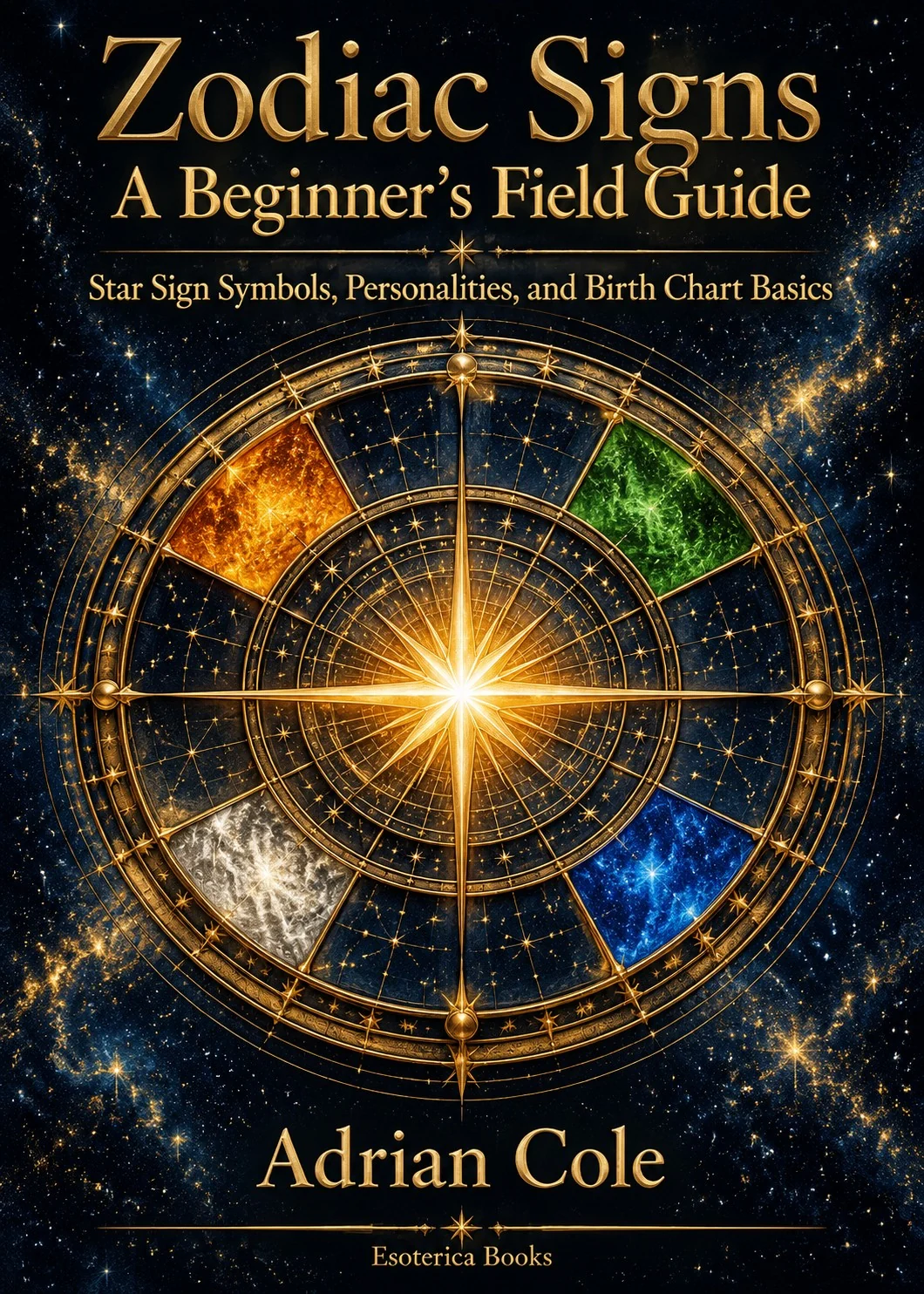

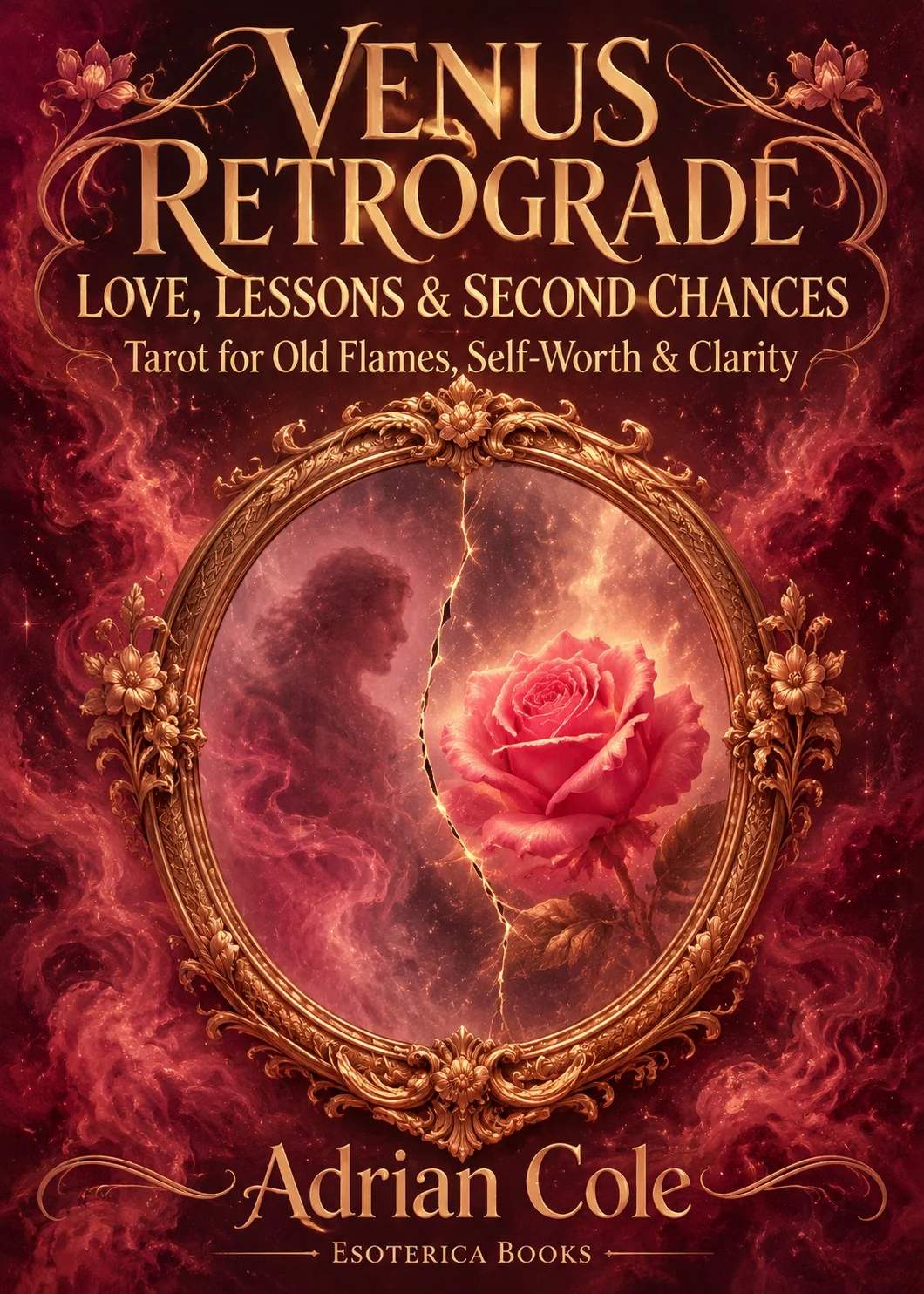
🏛 Books from this publisher Esoterica Books
All books from this publisher →




You might also like
See more →


Have a question about this item?
Ask about the edition, condition, delivery or anything else — we reply by email or phone, usually within a day.
