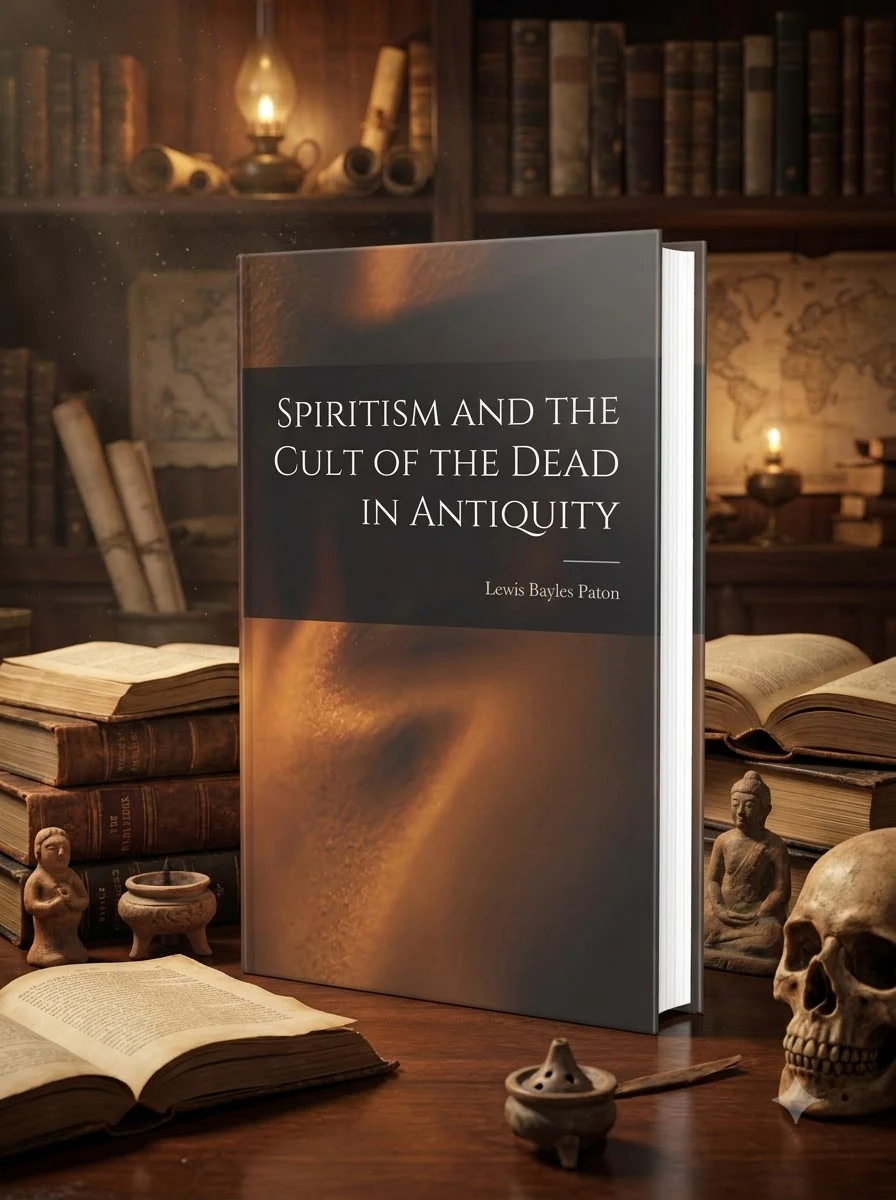
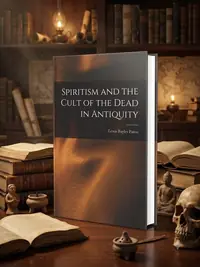
Spiritism and the Cult of the Dead in Antiquity
Paton, Lewis BaylesStock reported in the catalog; fulfillment is confirmed with your request.
Uncover the profound ancient rituals bridging mortal realms with the spectral world.
Lewis Bayles Paton meticulously surveys the intricate tapestry of ancient beliefs and practices surrounding death and the spirit world. This foundational text delves into how various civilizations, from classical Greece to early Semitic cultures, engaged with the deceased through rituals, necromancy, and ancestor worship. It illuminates the historical roots of what we now recognize as spiritism, revealing a pervasive human impulse to connect with and understand the departed across diverse ancient societies.
This work sits firmly within the academic study of classical antiquity and comparative religion, exploring the historical roots of spiritualism through ancient Greek and Semitic traditions.


📝 Description: Spiritism and the Cult of the Dead in Antiquity
💎 Expert review
📖 Why choose it
Why this book is worth reading
Scholars and enthusiasts of esoteric history will find this text invaluable for tracing the genealogy of modern spiritualist practices back to their ancient origins. Readers interested in the psychological and sociological aspects of ancestor worship will appreciate Paton’s meticulous survey of how diverse civilizations, from classical Greece to early Semitic cultures, navigated the boundary between life and death. It offers a profound understanding of necromancy and ritual as universal human impulses rather than mere superstition. By illuminating these foundational beliefs, the book provides essential context for anyone seeking to understand the deep-seated cultural mechanisms that have allowed humanity to maintain a connection with the spectral world across millennia, making it a crucial resource for serious students of occult history.
⭐ Reader reviews
Reader rating
Paton delivers a dense, scholarly examination of ancient necromancy and ancestor worship, appealing primarily to academics and dedicated historians of religion. The text is rigorous and comprehensive, yet its academic tone may alienate casual readers or those seeking accessible spiritual guidance rather than historical analysis. It does not suit individuals looking for practical modern ritual instructions or light-hearted explorations of the paranormal, as it focuses strictly on archaeological and textual evidence from antiquity. While thorough, the work demands patience and a strong interest in classical studies, making it less ideal for those preferring narrative-driven accounts or contemporary spiritualist movements over their ancient precursors.
❓ Frequently asked questions
📖 Who should read this
If you're a scholar of ancient religions, a spiritualist seeking historical context, or simply fascinated by humanity's enduring quest to commune with the departed, this scholarly yet accessible volume offers invaluable insights into the profound spiritual landscape of antiquity.
🎯 Key themes and symbolism
Ancient Spirit Communication
Paton meticulously examines the historical methods and beliefs through which ancient peoples sought to interact with the spirits of the deceased. This includes rituals, offerings, and attempts at divination, showcasing the diverse techniques employed to bridge the gap between the living and the spectral realms in early civilizations.
Ancestor Veneration Practices
The work explores the profound significance of ancestor worship and the 'cult of the dead' across various ancient societies. It details how reverence for departed family members shaped social structures, religious rites, and daily life, highlighting the enduring power of familial bonds beyond the grave in antiquity.
Historical Esoteric Traditions
This study positions ancient spiritual practices as foundational to later esoteric traditions concerning the afterlife and communication with spirits. It traces the lineage of ideas and rituals, demonstrating how classical and pre-classical beliefs laid the groundwork for subsequent mystical and occult understandings of death and the soul's journey.
💬 Quotes from the book
“The persistent human endeavor to bridge the chasm between the living and the departed manifests in a myriad of forms across the ancient world, revealing a fundamental spiritual impulse.”
“From the chthonic rites of Eleusis to the elaborate mortuary cults of Egypt, the deceased held an undeniable and active role in the spiritual economy of antiquity.”
📜 Historical context
📚 Glossary
- Spiritism
- Necromancy
- Cult of the Dead
📔 Questions to reflect on
- How do ancient practices of ancestor veneration compare or contrast with modern ways of remembering and honoring the dead in your own culture?
- Considering the historical impulse to communicate with spirits, what do you believe is the fundamental human need that these practices sought to fulfill?
- If you were to design a contemporary ritual for connecting with the departed based on ancient principles, what elements would you include and why?
✍️ More books by this author Paton, Lewis Bayles
All books by this author →
🏛 Books from this publisher Legare Street Press
All books from this publisher →
 83
83
 87
87
You might also like
See more →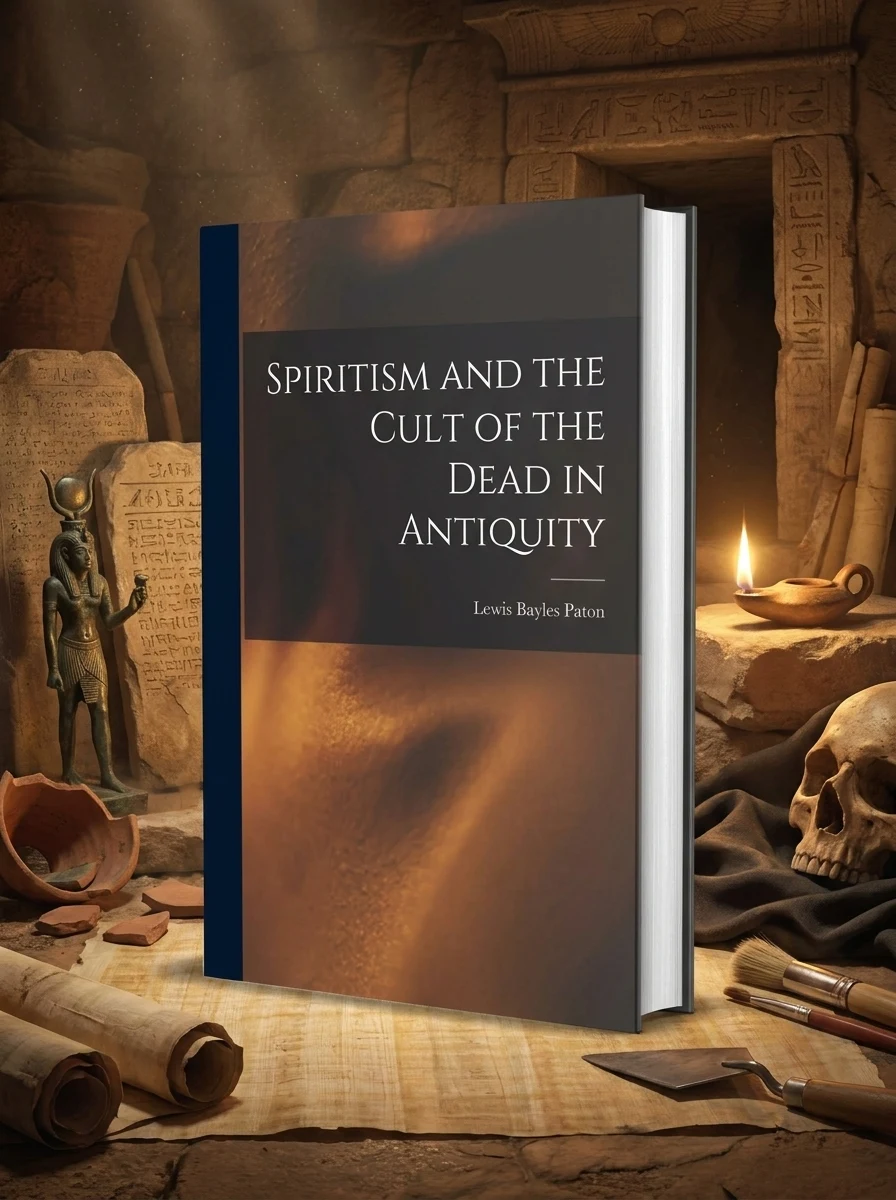
 91
91
 88
88