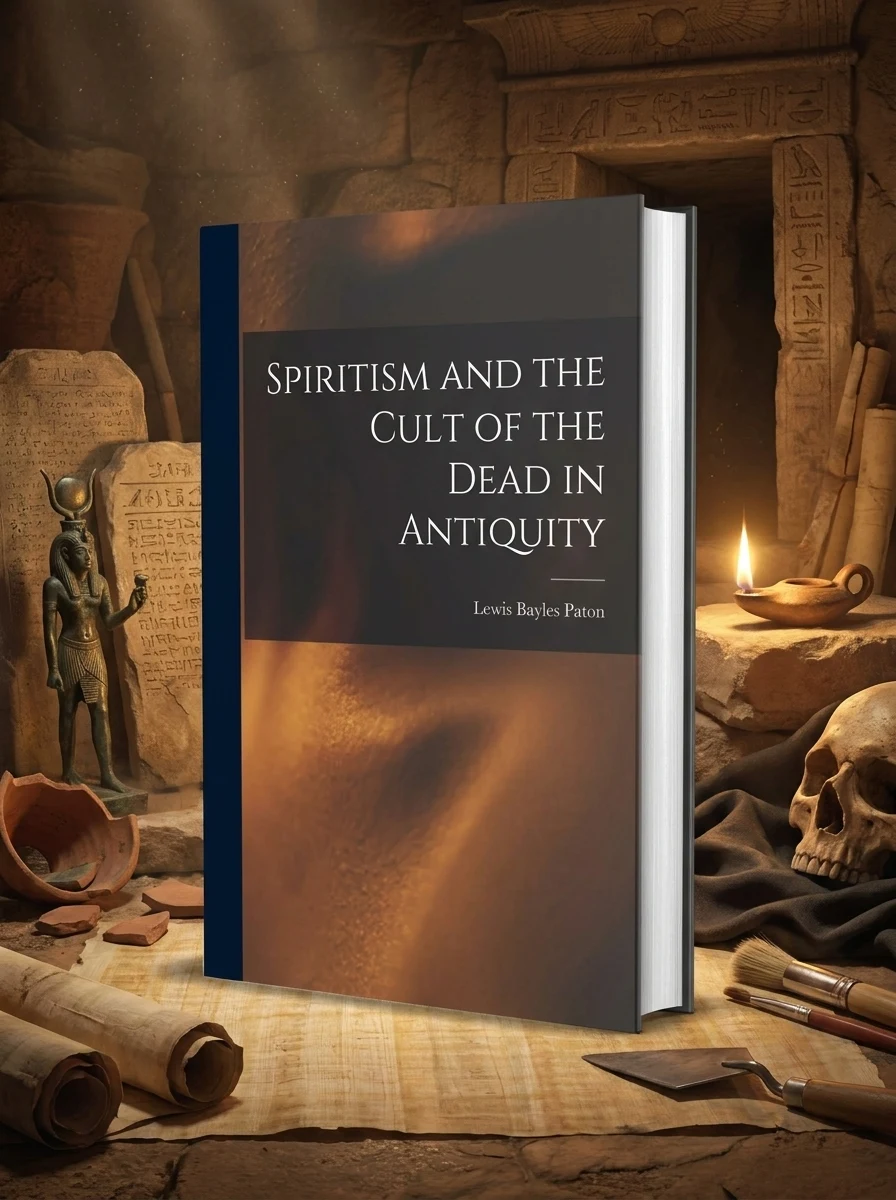
Spiritism and the Cult of the Dead in Antiquity
Paton, Lewis BaylesStock reported in the catalog; fulfillment is confirmed with your request.
Unearth ancient whispers and forgotten rites of communion with the departed.
Paton's seminal work meticulously explores the profound human fascination with the afterlife and communication with the deceased across various ancient cultures. This academic treatise delves into the diverse forms of "spiritism" and the veneration of ancestors, tracing their evolution from prehistoric beliefs through classical antiquity. It offers a scholarly yet accessible journey into the foundational esoteric practices that shaped early societies' understanding of death and the spirit world, providing invaluable insight for students of history, religion, and the occult.
This work situates itself within the scholarly study of ancient esoteric practices, examining the historical evolution of spiritism and ancestor veneration from prehistoric times through classical antiquity. It bridges the gap between early societal beliefs regarding death and the foundational religious traditions that influenced later spiritual movements.


📝 Description: Spiritism and the Cult of the Dead in Antiquity
💎 Expert review
📖 Why choose it
Why this book is worth reading
Scholars of religious history, occult enthusiasts, and students of anthropology will find immense value in Paton’s meticulous exploration of how ancient cultures conceptualized the afterlife. This book serves as an essential resource for those seeking to understand the deep-rooted human fascination with communicating with the deceased. By tracing these practices from prehistoric origins to classical times, readers gain a comprehensive view of the esoteric foundations that shaped early spiritual frameworks. It is ideal for anyone interested in the academic intersection of history, religion, and the occult, offering a rigorous yet accessible path into the forgotten rites that once defined societal views on death and the spirit world.
⭐ Reader reviews
Reader rating
Paton delivers a dense, academic treatise that demands patience from its audience. While it offers invaluable insights for serious students of history and esotericism, it is not suited for casual readers seeking light entertainment or quick spiritual answers. The text’s scholarly tone may alienate those expecting practical ritual guides or modern spiritual advice. However, for those dedicated to understanding the intellectual heritage of spiritism, this volume stands as a significant contribution. It requires a committed mind willing to navigate complex historical analyses without the distraction of narrative flair, making it a specialized tool rather than a broad appeal book.
❓ Frequently asked questions
📖 Who should read this
If you're a curious seeker fascinated by humanity's primal connection to the afterlife, a scholar of ancient religions, or an occultist eager to trace the roots of spirit work, this meticulous historical survey offers profound illumination.
🎯 Key themes and symbolism
Ancient Spirit Communication
This volume delves into how cultures from earliest times sought to interact with the deceased, examining methods ranging from necromancy to dream interpretation and offerings. It highlights the universal human desire to bridge the veil between life and death across diverse ancient civilizations, demonstrating humanity's persistent quest for connection with the unseen.
Cults of the Departed
Explore the pervasive systems of ancestor veneration and ritualistic practices centered around the dead, illustrating their profound societal importance in maintaining order, ensuring fertility, and connecting generations across the ancient world. Paton illuminates how the veneration of the deceased was integral to daily life and communal identity.
Historical Esoteric Traditions
Paton positions these ancient practices as foundational elements of later esoteric and magical thought, tracing the lineage of spiritual beliefs and demonstrating how early human engagement with the unseen shaped subsequent religious and occult traditions. The book provides crucial context for understanding the deep roots of Western esotericism.
💬 Quotes from the book
“The persistent human effort to breach the chasm of death, manifest in countless rites and supplications, reveals a deep-seated conviction in the continued agency of the departed.”
“From the chthonic deities of early agricultural societies to the elaborate funereal cults of Egypt, the dead were not merely absent but active participants in the cosmic and social order.”
📜 Historical context
📚 Glossary
- Spiritism
- Cult of the Dead
- Antiquity
📔 Questions to reflect on
- How do modern perspectives on death and the afterlife compare or contrast with the ancient "cult of the dead" described in this book?
- Consider a contemporary spiritual practice you are familiar with. Can you identify any historical echoes or continuities with the ancient spiritism Paton describes?
- In what ways might a society's beliefs about the dead influence its living social structures, ethics, and community bonds?
✍️ More books by this author Paton, Lewis Bayles
All books by this author →
🏛 Books from this publisher Legare Street Press
All books from this publisher →
 83
83
 87
87
You might also like
See more →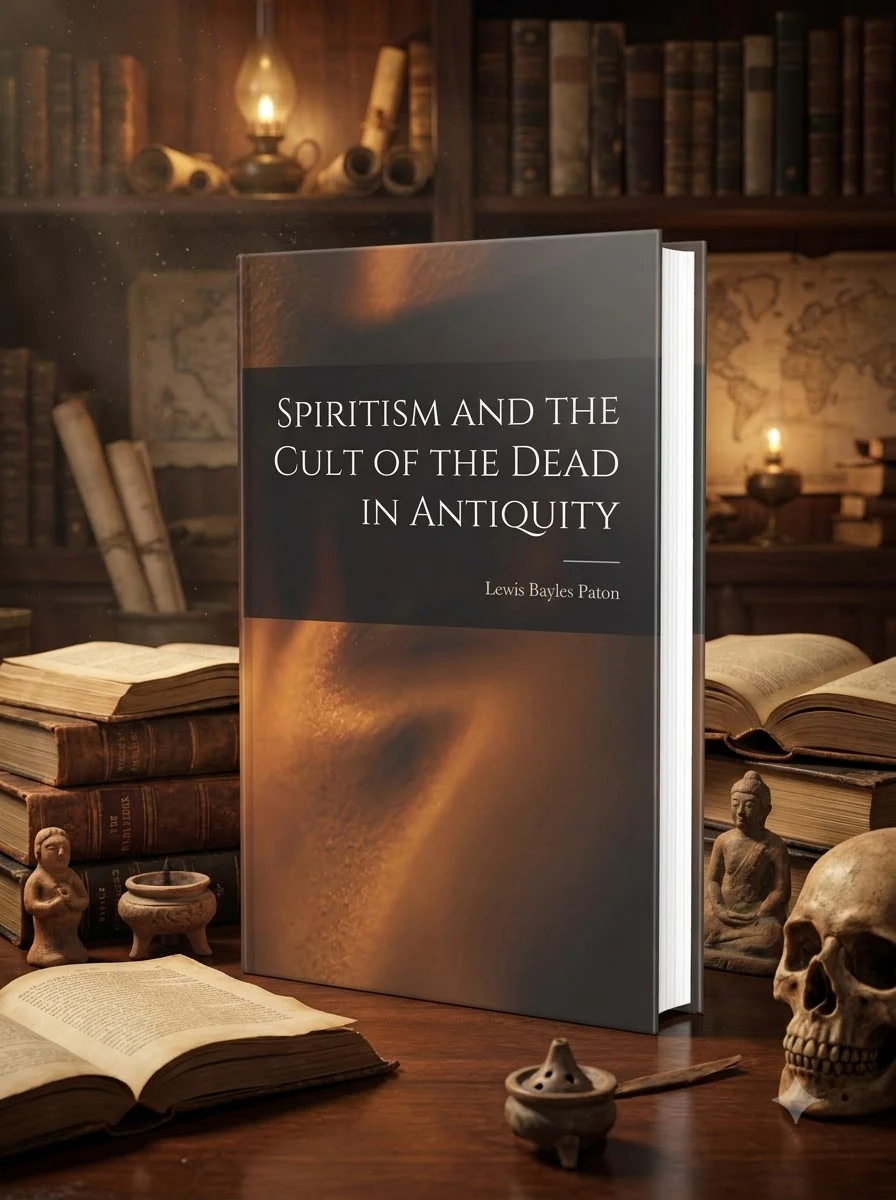
 91
91

 88
88