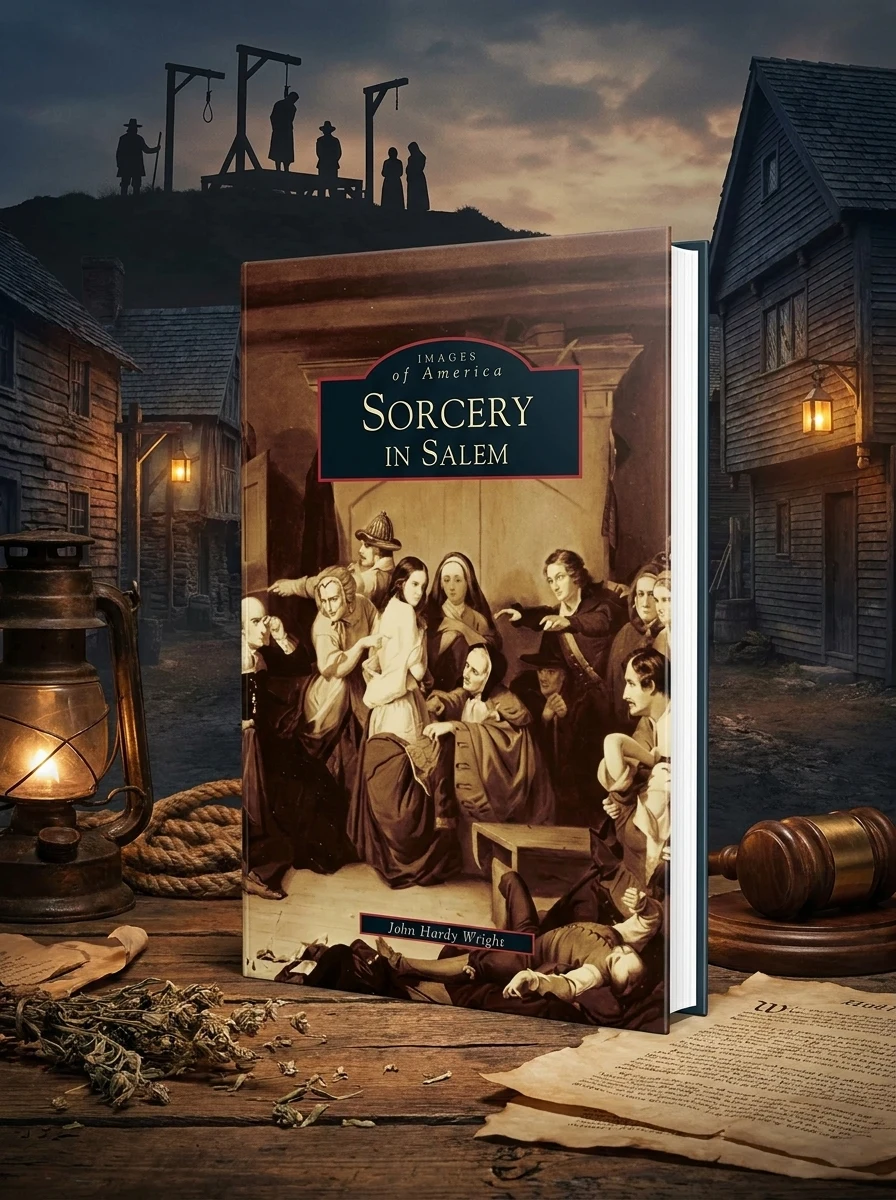
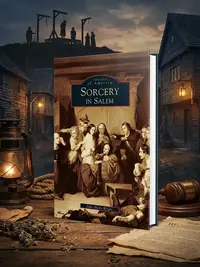
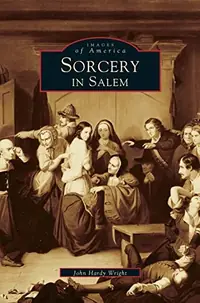
Sorcery in Salem
Stock reported in the catalog; fulfillment is confirmed with your request.
Uncover the chilling truth behind Salem's darkest hour, where fear ignited a deadly delusion.
John Hardy Wright's "Sorcery in Salem" meticulously reconstructs the harrowing events of 1691-92, when a wave of accusations swept through Salem Village and Town. This insightful historical account delves into the societal paranoia that led to the tragic loss of twenty lives, with nineteen individuals unjustly executed on Gallows Hill and one succumbing to brutal interrogations. Wright skillfully examines the atmosphere of terror and the mechanisms of belief that fueled this notorious episode in American history, offering profound insights into mass hysteria and its devastating consequences on a community.
This work situates the Salem witch trials within the broader context of American colonial history and mass hysteria, examining the societal paranoia that fueled this notorious episode. It serves as an insightful historical account that delves into the mechanisms of belief during a time when fear ignited a deadly delusion.


📝 Description: Sorcery in Salem
💎 Expert review
📖 Why choose it
Why this book is worth reading
Readers fascinated by the intersection of history, psychology, and societal collapse will find profound value in this meticulous reconstruction. Wright offers a compelling narrative that goes beyond mere chronology to explore the terrifying atmosphere of terror that gripped Salem Village and Town. It is ideal for those seeking to understand how fear can transform a community into a vector of tragedy. By examining the tragic loss of twenty lives, including nineteen unjust executions, the book provides essential context for understanding mass hysteria. It appeals to history buffs who want to grasp the devastating consequences on a community driven by belief rather than fact. This account is a must-read for anyone interested in the chilling truth behind one of America's darkest hours, offering clarity on a complex and tragic period.
⭐ Reader reviews
Reader rating
Wright delivers a sobering and well-researched account of the 1691-92 events, skillfully detailing the societal paranoia that led to twenty deaths. The narrative effectively highlights the mechanisms of belief and the resulting devastation. However, readers seeking supernatural explanations or occult manuals will be disappointed by its strictly historical focus. It is not for those looking for sensationalist ghost stories or magical instruction. Instead, it serves as a serious examination of human behavior under extreme stress. While engaging, it may feel dry to those expecting dramatic flair over factual analysis. It is best suited for academic readers or history enthusiasts who appreciate a candid look at the tragic loss and the chilling truth behind the trials without embellishment.
❓ Frequently asked questions
📖 Who should read this
If you're drawn to the shadowy corners of history, fascinated by the psychology of mass belief, or seeking a definitive account of America's most infamous witch hunt, this book is essential. It offers a profound, cautionary tale for all.
🎯 Key themes and symbolism
Salem's Darkest Chapter
Wright meticulously dissects the infamous 1691-92 witch trials in Salem, providing a comprehensive historical narrative that examines the social, religious, and psychological factors contributing to this catastrophic period. The book illuminates how fear and community tensions escalated into widespread accusations and executions, forever scarring the nascent colony.
Anatomy of Delusion
This work explores the profound impact of collective hysteria, showcasing how societal anxieties and pervasive superstitions can warp perception and lead to devastating injustices. It scrutinizes the mechanisms through which a community can succumb to irrational fears, resulting in tragic consequences for the accused and a stain on historical memory.
Magick & Misunderstanding
By examining the historical context of alleged sorcery, the book implicitly touches upon how interpretations of "magick" can be weaponized against marginalized individuals. It highlights the stark contrast between perceived supernatural threats and the very real human suffering caused by unfounded accusations during the trials, challenging modern views of esoteric practices.
💬 Quotes from the book
“The winter of 1691-92 saw not merely a religious fervor, but a societal fracture, where neighbor turned against neighbor under the insidious cloak of perceived evil.”
“Twenty lives were tragically extinguished, not by sorcery, but by the potent, destructive alchemy of fear, rigid belief, and unchecked authority.”
📜 Historical context
📚 Glossary
- Witchcraft Delusion
- Spectral Evidence
- Magick Studies
📔 Questions to reflect on
- How might similar societal fears manifest in contemporary communities, and what lessons can we draw from Salem to prevent such outcomes?
- Consider the role of authority figures and religious leaders during the trials. How did their actions either fuel or attempt to quell the hysteria?
- If you lived in Salem during 1691, how do you imagine you would have reacted to the accusations, either as a villager, an accused, or an official?
🏛 Books from this publisher Arcadia Publishing Library Editions
All books from this publisher →
 75
75
You might also like
See more →
 91
91
 91
91
 91
91