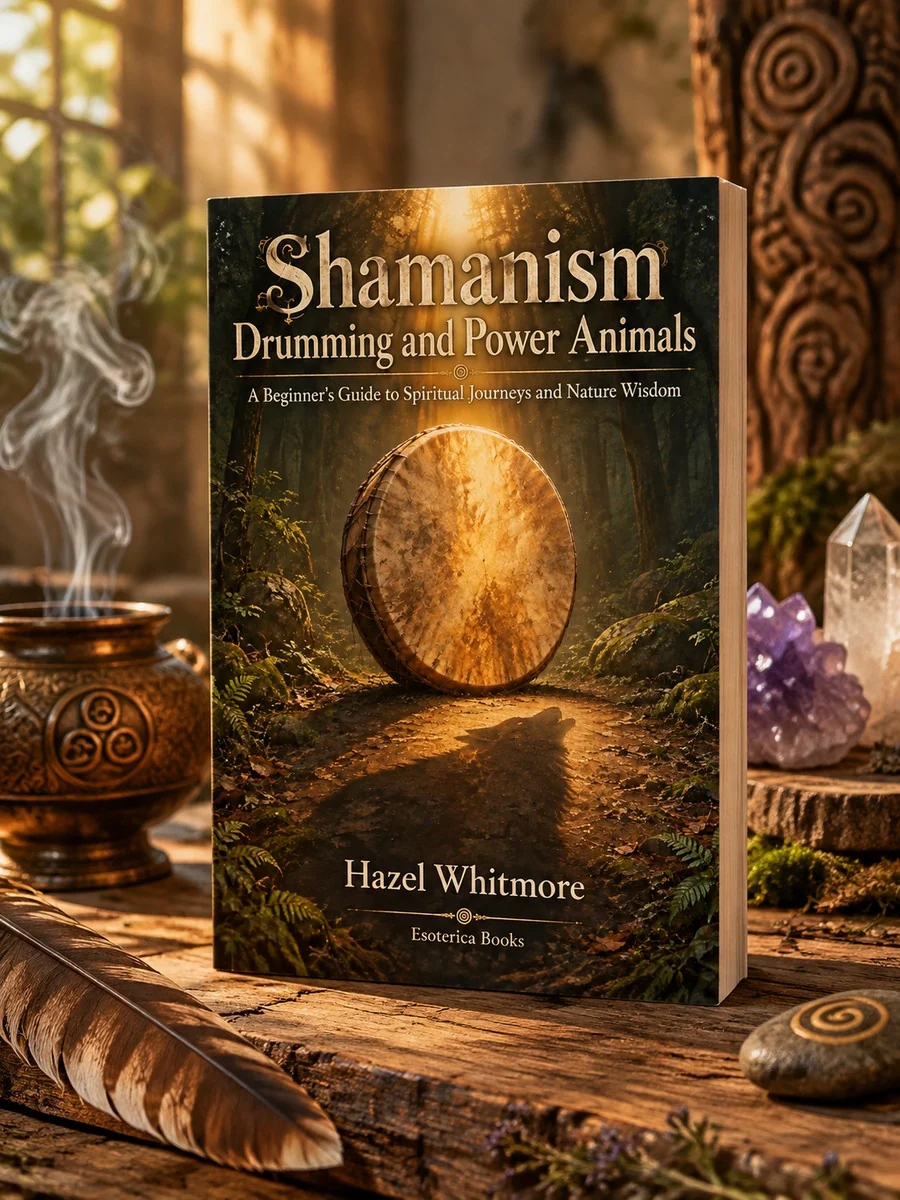
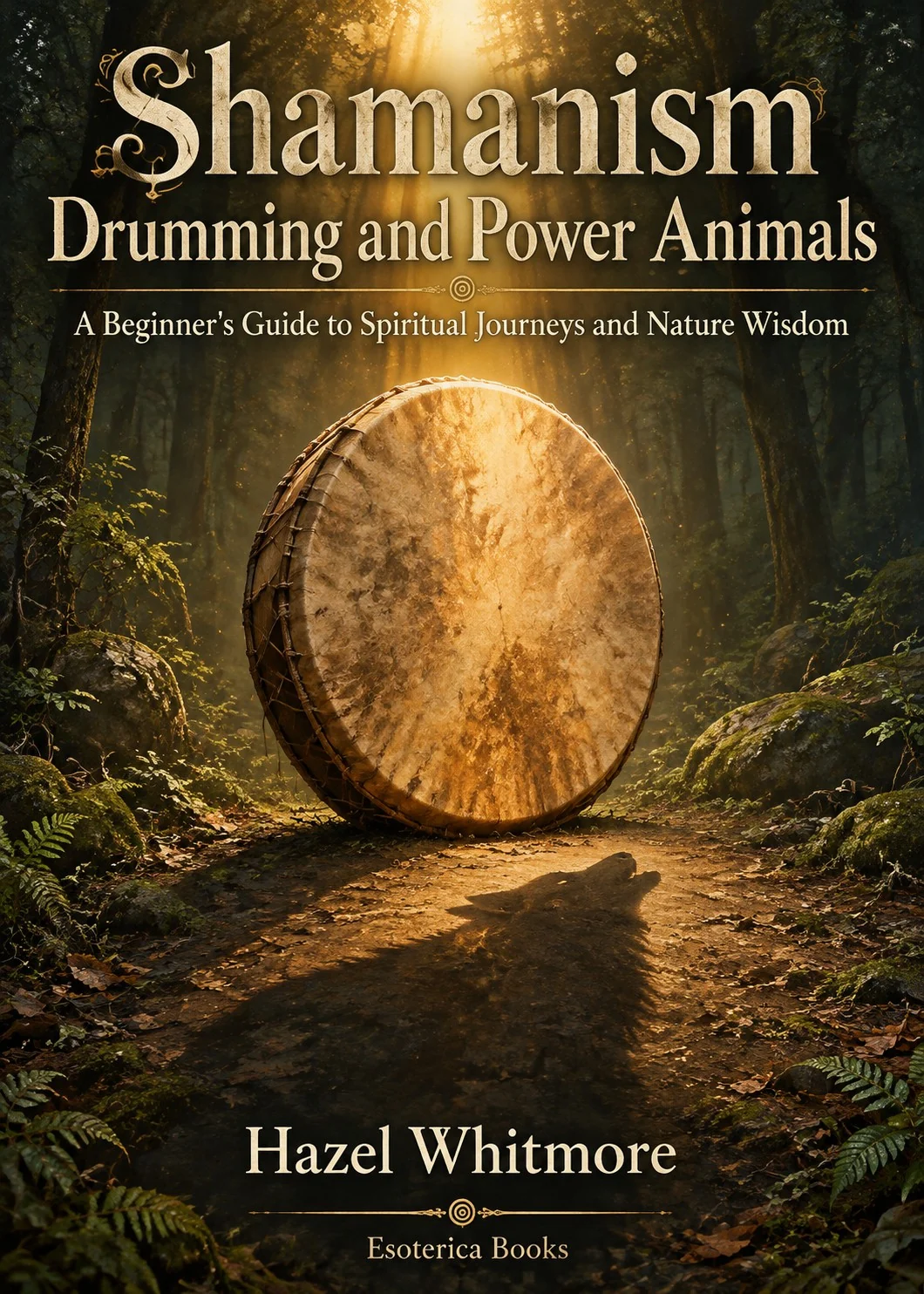
Shamanism: Drumming and Power Animals
Follow the drumbeat, explore power-animal symbolism, and build a thoughtful personal shamanic practice.
Shamanism: Drumming and Power Animals by Hazel Whitmore introduces beginners to shamanic journeying, rhythmic drumming, animal symbolism, and nature-centered spiritual reflection. At its heart is the D.R.U.M. Method: Discover, Rhythm, Uncover, and Make Meaning. Through guided imaginative journeys, practical listening exercises, symbolic observation, and journaling, readers learn to establish journey intentions, explore the upper, middle, and lower worlds, and develop their own vocabulary of animal symbols. The book also introduces Korean and Hmong shamanic traditions, encouraging a more culturally informed approach to studying this diverse spiritual heritage.
Shamanism is an umbrella term for diverse spiritual traditions involving relationships among people, animals, spirits, ancestors, and the natural world. This book introduces selected Korean and Hmong traditions alongside contemporary American interpretations, recognizing that their practices, terminology, and cultural contexts are distinct.


📝 Description: Shamanism: Drumming and Power Animals
📖 Why choose it
Why this book is worth reading
The strength of this guide is its combination of spiritual exploration and practical structure. Instead of leaving beginners with abstract descriptions of shamanism, it gives them specific exercises: a woodland journey, an animal-symbol journal, a three-world map, and a five-part record of personal experiences. The D.R.U.M. Method provides a memorable framework for bringing these activities together. Its inclusion of Korean and Hmong traditions also gives readers an opportunity to look beyond a single contemporary interpretation of shamanism and consider the cultural diversity behind the subject.
⭐ Reader reviews
Reader rating
Hazel Whitmore's introduction has a clear practical identity: the D.R.U.M. Method turns shamanic exploration into four manageable stages, supported by guided imagery, rhythmic listening, and structured journaling. Particularly useful are the concrete exercises, including the woodland journey, three-world mapping, animal-symbol observations, and the five-part journey journal. The inclusion of Korean Muism and Hmong traditions broadens the discussion beyond a single contemporary American interpretation. The tone is welcoming and approachable, and the chapter sequence moves logically from introductory exercises toward independent practice. One limitation is that the preview offers only an introductory treatment of the cultural traditions; readers seeking detailed historical scholarship or advanced ethnographic study will need additional resources.
❓ Frequently asked questions
📖 Who should read this
Ideal for curious beginners interested in shamanism, guided imaginative journeys, power animals, spiritual journaling, and nature-centered practices. Readers who want a respectful introduction to different shamanic traditions, rather than an advanced academic or initiatory study, will find the approach particularly accessible.
🎯 Key themes and symbolism
Rhythmic Drumming
Power Animal Symbolism
Shamanic Journeying
Nature-Based Reflection
📜 Historical context
📚 Glossary
- Shamanism
- Shamanic journey
- Power animal
- Journey intention
- Muism
- Mudang
📔 Questions to reflect on
- What does a steady drumbeat bring to your attention, and how does rhythmic listening influence the way you imagine a landscape?
- Which animals appear repeatedly in your thoughts, dreams, or nature observations, and what personal associations do you connect with their characteristics and behavior?
- How can learning about the distinct cultural contexts of Korean Muism, Hmong shamanic traditions, and contemporary American practices change the way you approach your own spiritual studies?
📖 Read on the blog
✍️ More books by this author Hazel Whitmore



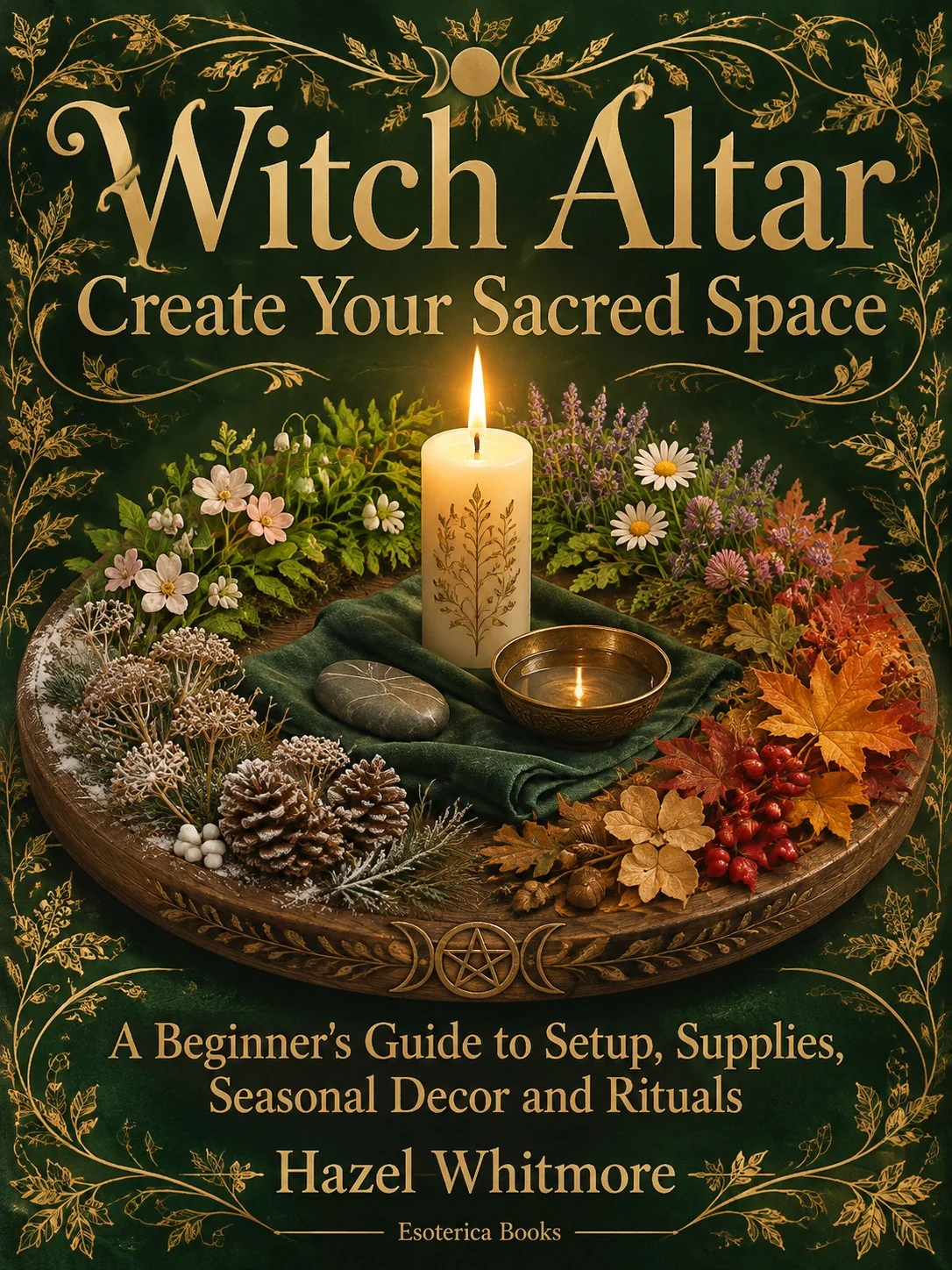

🏛 Books from this publisher Esoterica Books
All books from this publisher →


You might also like
See more →

Have a question about this item?
Ask about the edition, condition, delivery or anything else — we reply by email or phone, usually within a day.
