Shamanism and Tantra in the Himalayas
Currently unavailable
This book is sold out right now. Leave your email — we'll let you know if it comes back, and you'll get 10% off any book today.
In stock now — readers of this book also loved:





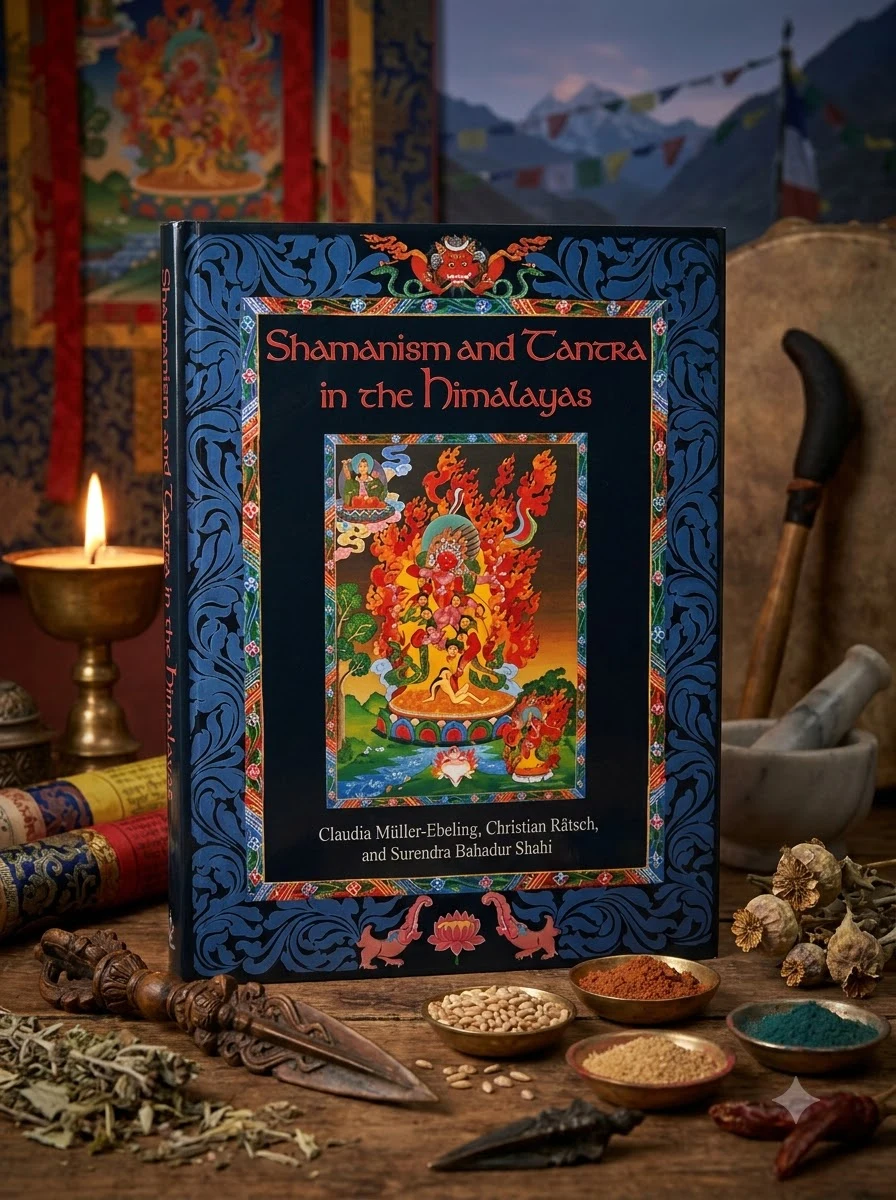
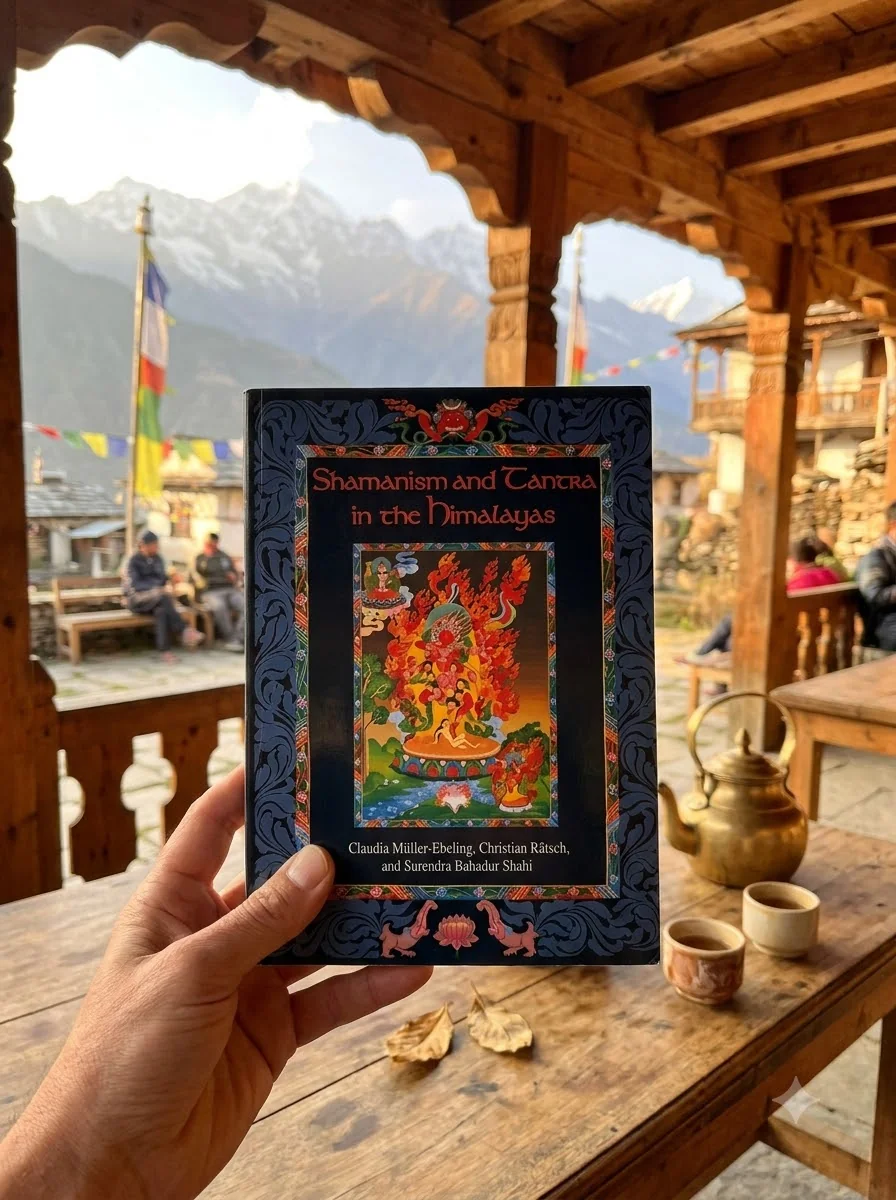
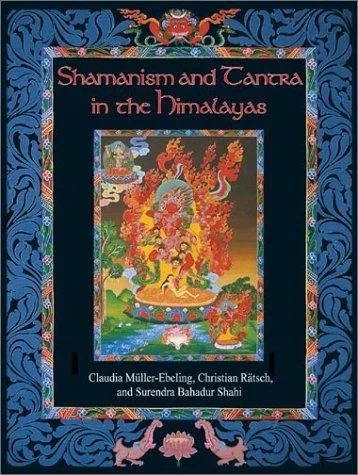
This monumental work offers an unparalleled exploration into the vibrant shamanic and Tantric traditions thriving in Nepal, a region where these ancient practices remain deeply embedded in daily life. Drawing from eighteen years of dedicated field study, the authors provide a holistic overview, integrating indigenous perspectives directly from various ethnic groups. Readers will discover a treasure trove of information, including rare insights into over twenty previously undocumented psychoactive plants, alongside a rich visual tapestry of thangkas, ceremonial objects, and healing rituals. It's an essential guide to the living spiritual heritage of the Himalayas.


Praise for this book
“Shamanism and Tantra in the Himalayas provides well-documented research and insight regarding the contribution of pre-Buddhist cultures to our current understanding of Tantrism and Vajrayana. The depth of detailed knowledge regarding the symbolism, rituals, and the indigenous wisdom of the Nepali shamans can be attributed to the authors' combined expertise in the fields of anthropology, ethnobotany, art history, and ethnography. A visionary masterpiece!”
📝 Description: Shamanism and Tantra in the Himalayas
📑 What's inside
- Shamanism and Tantra in the Himalayas
- Preface
- About the Procedure: Our Way
- Prayer to Ganesha, Guardian of the Threshold
- The Kathmandu Valley?a Fertile Melting Pot
- Wondrous Nature
- Phurba: the Essence of Shamanism
- Vajra: The Essence of Tantra
- The "Thunderbolt Plant of Intoxication"
- Henbane as an Incense and Smoking Herb
- Henbane as a Beer Additive
- The Way of the Shamans
- Mundum?the Shamanism of the Kirati
- The Call to Become a Shaman
- The Way of the Gubajus and Tantrikas
- The Origins of Shamanism and Religion
- Shamanism, Hinduism, and Buddhism in Nepal
- Shamanic Vision, Traveling, and Flying
- Shamanic Healing
- Phytotherapy
- Amulets and Talismans
- Tantric Healing
- The Three Worlds and Four Directions
- The Eight Legs of the Spiritual Horse
- Life in the Mandala
- The South: Seat of the Shaman
- The North: Garuda, the Ally
- The East: Shiva, Father of the Shamans
- The West: the Great Goddess
- Thangkas, Images from Other Realities
- The Thangka Art of Nepal
- Mahakala-Mahakali
- Mañjushri and the Valley of Kathmandu
- Avalokiteshvara, Thousand-armed God of Fertility
- The Cycle of Time
- Hanuman, Yeti, and Ban Jhankri
- Dragons and Nagas
- The Chakra Teachings
- Shakti, The Shamanic Energy
- The Origins of Diseases
- Natural and Spiritual Diseases
- Of Gods, Bokshis, and Demons
- Technology: The Matter of the Shaman
- Dhup: Incense for the Altar of Consciousness
- Alcohol and Amrita
- Traveling Herbs and Traveling Mushrooms: Shiva's Garden
- The Most Important Teaching Plants
- Mushrooms, Phalluses, and the Food of the Gods
- Soma and the Magic Mushroom in the Himalayas
- Mantra: In the Beginning Is the Word
- Yantra, Tantra, Mudra
- Number Symbolism
- Ritual Instruments: The Tools of the Trade
- Divination and Oracle
- Shamanism and Meditation
- Sacred Nature, also a Mandala
- Sacred Plants
- Sacred Animals
- Sacred Stones
- Sacred Metals
Showing the first 60 entries.
💎 Expert review
📖 Why choose it
Why this book is worth reading
Readers deeply interested in the syncretic spiritual landscape of the Himalayas will find this book indispensable. It is ideal for those seeking authentic, firsthand accounts of shamanic and tantric practices rather than theoretical abstractions. The work offers rare access to undocumented psychoactive plants and ceremonial objects, providing a tangible connection to indigenous wisdom. Scholars of comparative religion and practitioners of esoteric arts alike will appreciate the integration of direct ethnic perspectives. It serves as a vital resource for understanding how these ancient systems remain embedded in daily life, offering a rich visual and textual tapestry that respects the complexity of the subject matter.
⭐ Reader reviews
Reader rating
This monumental work provides an unparalleled exploration of Nepal’s vibrant shamanic and Tantric traditions, grounded in extensive field study. While it offers a treasure trove of information on psychoactive plants and healing rituals, it demands patience from readers expecting quick summaries or simplified spiritual advice. It does not suit those seeking mainstream New Age interpretations or those uninterested in dense ethnographic detail. The depth of indigenous perspective may overwhelm casual readers, but for serious students of esoteric history, the rare insights into undocumented practices and visual materials make it a significant contribution to the understanding of living spiritual heritage.
❓ Frequently asked questions
📖 Who should read this
If you are drawn to the depths of spiritual traditions, curious about indigenous healing practices, or fascinated by the intersection of ethnobotany and mysticism, this book offers an essential journey. It's for serious students and practitioners alike seeking authentic insights into living spiritual lineages.
🎯 Key themes and symbolism
Visual Spiritual Journeys
Lavishly illustrated, this volume uses over 600 images—including 135 detailed thangkas and countless ritual photographs—to provide an intimate visual guide. These illustrations serve not merely as decoration but as integral components for understanding the intricate ceremonies and spiritual tools of Himalayan practitioners.
Sacred Plant Medicines
A groundbreaking aspect is the documentation of over twenty psychoactive plants, previously unrecorded in such depth. The book delves into their traditional uses within shamanic and Tantric contexts, providing scientific tables, recipes, and detailed descriptions that shed light on their role in spiritual practices.
📜 Historical context
📚 Glossary
- Shamanism
- Tantra
- Thangka
📔 Questions to reflect on
- How might the integration of shamanic healing and Tantric practices found in Nepal offer new perspectives on Western approaches to well-being?
- Considering the detailed documentation of previously unknown psychoactive plants, what ethical considerations arise when studying indigenous plant knowledge?
- In what ways do the visual elements, such as thangkas and ceremonial photographs, enhance your understanding of these complex spiritual systems compared to purely textual descriptions?
📖 Read on the blog
🏛 Books from this publisher Inner Traditions International
All books from this publisher →



You might also like
See more →

Have a question about this item?
Ask about the edition, condition, delivery or anything else — we reply by email or phone, usually within a day.
