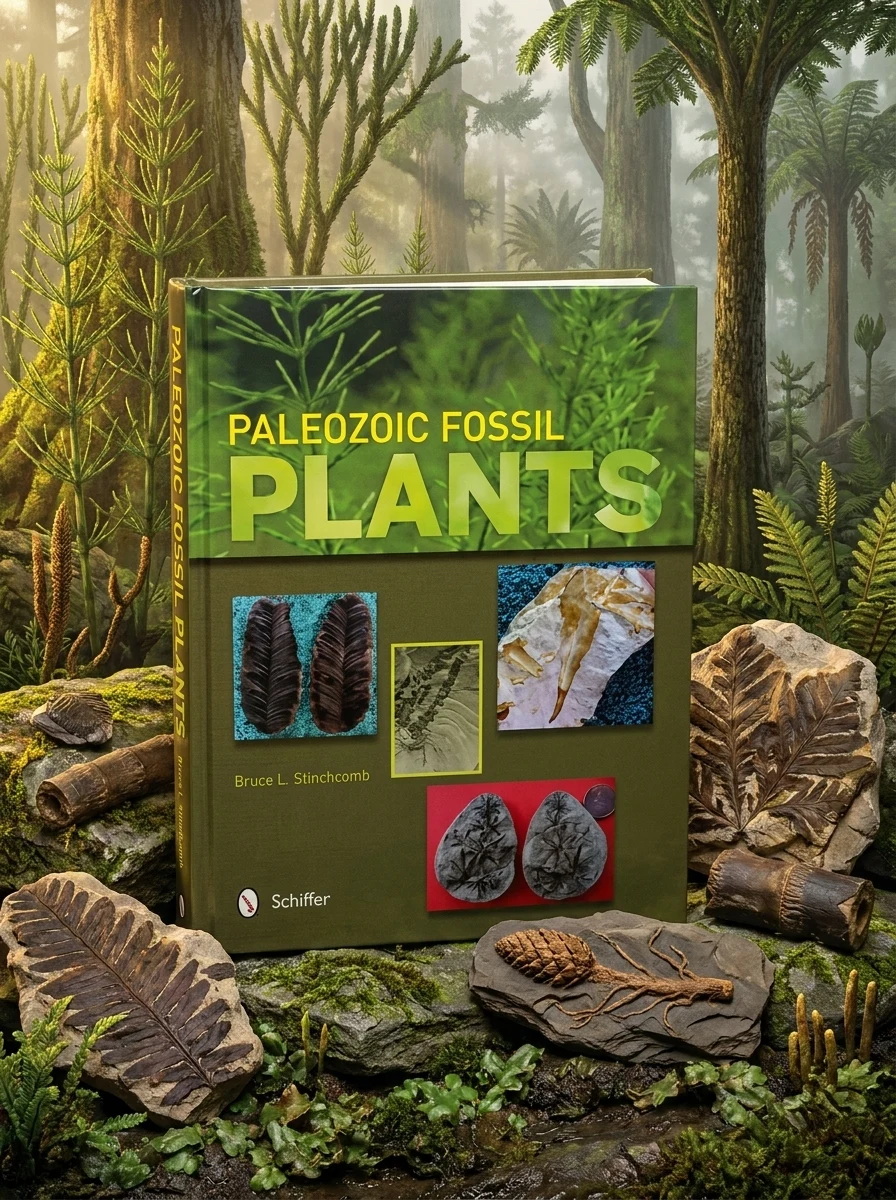
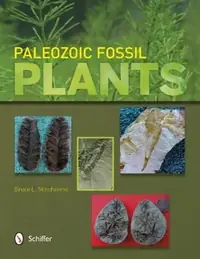
Paleozoic Fossil Plants
Stinchcomb, Bruce LThis edition can be ordered. No arrival date is confirmed.
Explore the verdant, pre-dinosaur world through stunning color photography of ancient flora.
Bruce L. Stinchcomb guides readers through 500 to 260 million years of botanical evolution, capturing the Earth's initial greening. This volume features over 670 color images that transform geological specimens into nature's artwork. It chronicles the rise of Devonian forests, the peculiar Lower Carboniferous flora, and the Upper Carboniferous coal swamps that fueled half the world's coal. The narrative continues with sparse Permian vegetation preceding the great extinction and explores early marine life and mysterious fossil tracks, offering a comprehensive visual history of ancient terrestrial and aquatic plant life.
This volume bridges the gap between scientific geology and esoteric natural history, appealing to those who view the deep past through a lens of mystical reverence for ancient life forces. It sits within the tradition of works that treat nature's history as a sacred text written in stone and spore.


📝 Description: Paleozoic Fossil Plants
💎 Expert review
📖 Why choose it
Why this book is worth reading
Readers with a deep fascination for the hidden histories of our planet will find immense joy in this visual journey. Bruce L. Stinchcomb offers more than just data; he provides a window into the verdant, pre-dinosaur world through stunning color photography that transforms geological specimens into nature's artwork. Those who appreciate the slow, majestic arc of botanical evolution from 500 to 260 million years ago will gain a profound sense of connection to Earth's initial greening. The book is ideal for collectors of natural history art, geology enthusiasts, and anyone seeking to understand the coal swamps that fueled our modern world. It serves as both an educational resource and a meditative exploration of ancient terrestrial and aquatic life, satisfying the curiosity of those who see beauty in the fossil record.
⭐ Reader reviews
Reader rating
Came across this title in a footnote and had to track it down. The typesetting is comfortable for study, with good margins for notes. One of my better finds this year.
Perfect companion for my morning study sessions. I found myself reading passages aloud just to sit with them. One of my better finds this year.
Honestly wasn't sure what to expect, but I'm impressed. It's become a regular reference in my practice. The symbolism is layered and generous to patient readers. Shipping was quick too.
First purchase from this shop. Plenty of passages worth underlining; my copy is already full of margin notes. A few pages arrived with light corner wear, though nothing serious. Recommended with reservations.
Needed this for my research. Solid binding, decent paper — holds up to heavy use.
My third book from this store and this one might be the best. Solid binding, decent paper — holds up to heavy use. Some chapters demand a slow, careful read, and that's exactly the point. My only quibble is the cover feels thinner than expected. Still worth having on the shelf.
Exactly what I was looking for. Challenging in places, but never needlessly obscure. It reads better in small doses — a chapter at a time with notes. A few pages arrived with light corner wear, though nothing serious. Happy enough with the purchase.
This book is a visually arresting celebration of Paleozoic flora, relying heavily on over 670 color images to narrate the story of Devonian forests and Carboniferous coal swamps. It succeeds brilliantly as a coffee-table companion for science lovers who prefer visual immersion over dense academic text. However, it does not suit readers seeking rigorous taxonomic analysis or detailed stratigraphic data; the narrative prioritizes aesthetic experience and broad chronological overview. Those looking for dry, technical geological reports may find the tone too accessible or light on hard science. It is best appreciated as a work of natural history art rather than a primary scientific reference, making it perfect for casual exploration but potentially disappointing for specialized researchers.
❓ Frequently asked questions
📖 Who should read this
Ideal for paleobotany enthusiasts, geology students, and nature photographers seeking visual records of Earth's early botanical history and the dramatic shifts in ancient ecosystems before the age of dinosaurs.
🎯 Key themes and symbolism
Devonian Forest Origins
The text examines the emergence of the first true forests during the Devonian period, detailing how early plant life began to colonize landmasses and alter atmospheric composition, setting the stage for complex ecosystems to follow in subsequent epochs.
Carboniferous Coal Swamps
Stinchcomb focuses on the Upper Carboniferous era, explaining how abundant, dense vegetation created the peat deposits that eventually became the majority of the planet's coal seams, illustrating the direct link between ancient biology and modern energy resources.
Permian Extinction Flora
The work investigates the sparse plant life of the Permian period, highlighting the resilience of species before the most profound extinction event in history, while also addressing marine plants and previously misunderstood fossil tracks and burrows.
💬 Quotes from the book
“These plants provide some of the earliest records to the greening of planet earth.”
“Fossils can be considered as nature's artwork.”
📜 Historical context
📚 Glossary
- Paleozoic Era
- Coal Swamp Vegetation
- Permian Extinction
📔 Questions to reflect on
- How does the transformation of ancient vegetation into coal influence your perspective on modern energy consumption?
- What might the sparse flora of the Permian period teach us about resilience in the face of environmental collapse?
- In what ways do the 'nature's artwork' fossils challenge our traditional view of science as purely objective?
✍️ More books by this author Stinchcomb, Bruce L
All books by this author →
🏛 Books from this publisher Schiffer Publishing
All books from this publisher →
 89
89







You might also like
See more → 89
89
 83
83
 91
91

 91
91
 91
91
 91
91