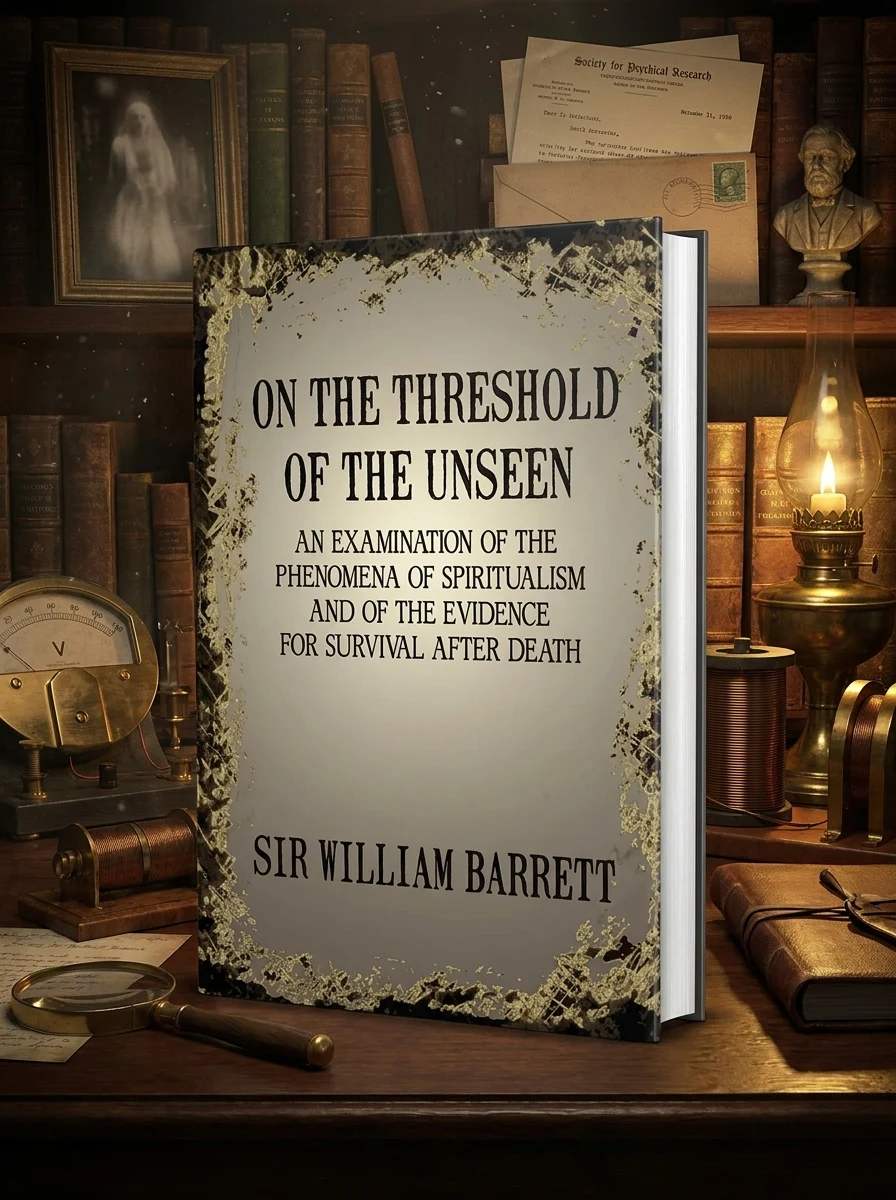
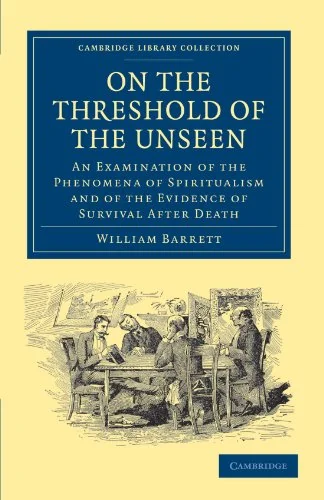
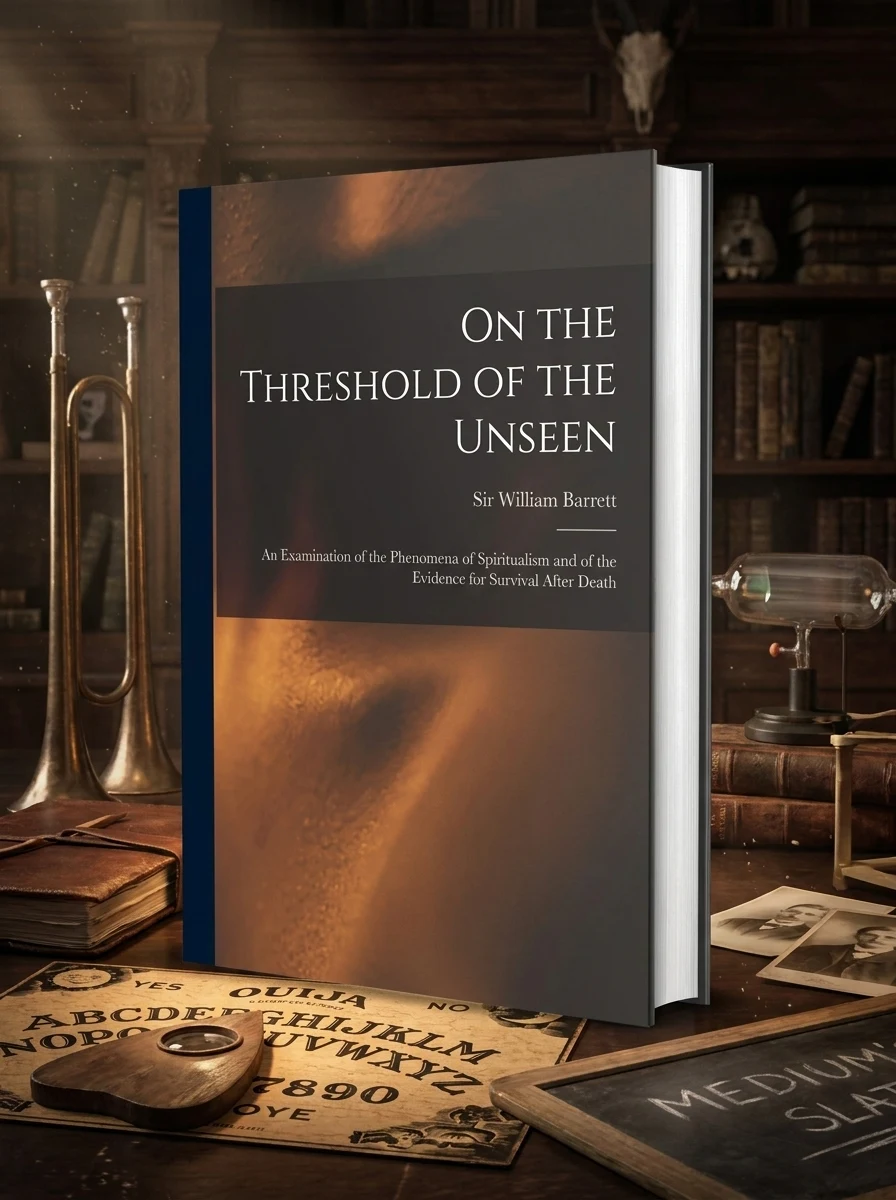
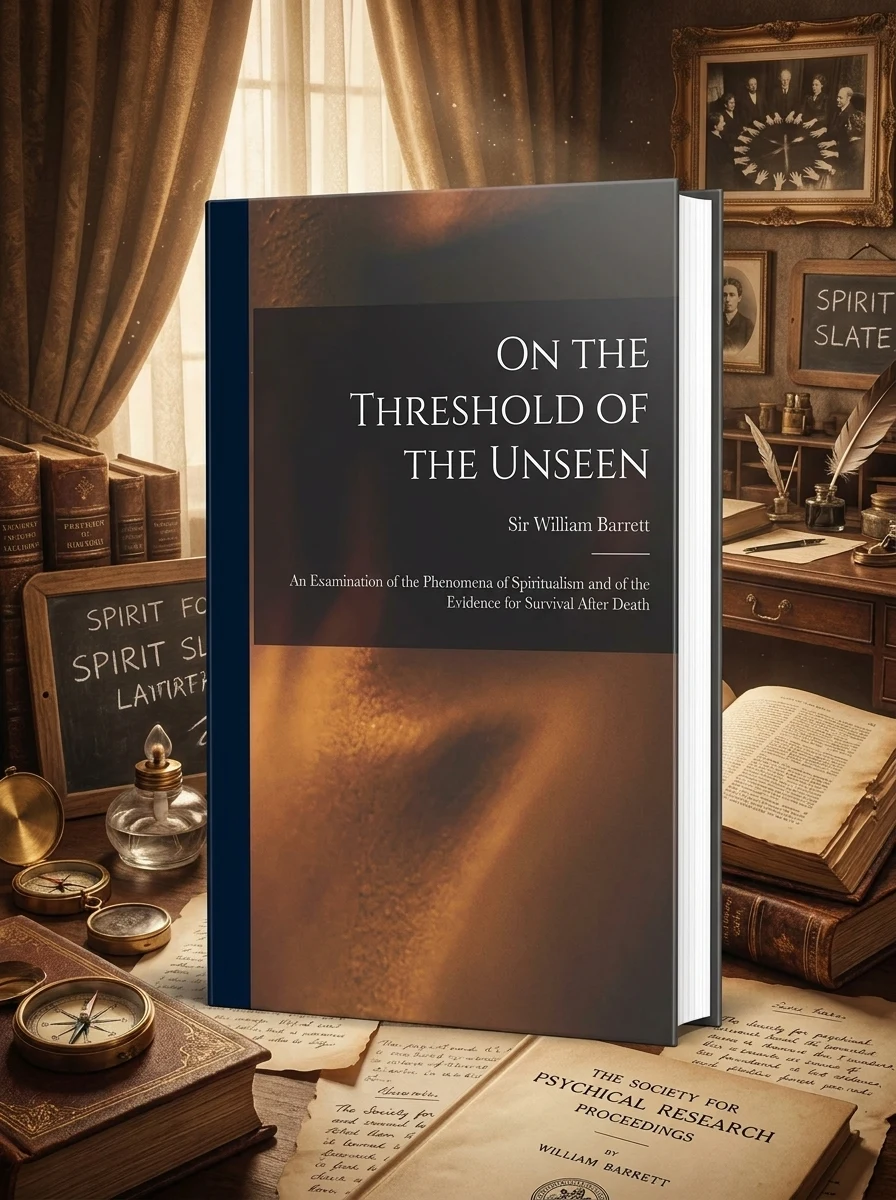
On the Threshold of the Unseen
Barrett, WilliamStock reported in the catalog; fulfillment is confirmed with your request.
Uncover the scientific quest to validate the unseen realms of spirit and mind.
Sir William Barrett, a distinguished physicist and a pioneer in psychical research, invites readers to explore the frontiers of human consciousness and the potential for life beyond the veil. First published in 1917, this foundational work meticulously examines spiritualism and psychic phenomena through a scientific lens. Delving into topics such as automatic writing, clairvoyance, telepathy, and spirit photography, Barrett applies rigorous inquiry to mysteries that many dismissed as mere superstition, offering a compelling argument for the existence of a spiritual dimension and the survival of consciousness.
Published in 1917, this work sits at the intersection of early twentieth-century psychical research and the scientific inquiry into consciousness. It reflects a period where distinguished physicists sought to validate spiritual phenomena through rigorous empirical methods rather than mere superstition.


📝 Description: On the Threshold of the Unseen
💎 Expert review
📖 Why choose it
Why this book is worth reading
Readers fascinated by the historical intersection of physics and spirituality will find profound value in this text. Sir William Barrett, a distinguished physicist, offers a unique perspective by applying scientific rigor to mysteries often dismissed as mere superstition. Those interested in automatic writing, clairvoyance, telepathy, or spirit photography will appreciate the meticulous examination of these phenomena. This book is ideal for anyone seeking to understand the survival of consciousness through a lens of credible inquiry rather than blind faith. It serves as a compelling argument for a spiritual dimension, inviting readers to explore the frontiers of human mind and body with an open yet critical eye.
⭐ Reader reviews
Reader rating
This foundational text provides a fascinating glimpse into early twentieth-century scientific attempts to validate the unseen realms. Barrett’s background in physics lends weight to his exploration of psychic phenomena, making it a significant historical document for enthusiasts of psychical research. However, it may not suit readers seeking modern neuroscientific explanations or those who view spiritualism purely as folklore without empirical basis. The dense, early 1900s prose might also challenge contemporary audiences expecting accessible, simplified summaries. It is best appreciated by those willing to engage with its specific historical context and the rigorous, albeit dated, scientific arguments presented for the existence of a spiritual dimension beyond the veil.
❓ Frequently asked questions
📖 Who should read this
If you're drawn to the historical intersection of science and spirituality, or seek a foundational text on psychical research, this book offers a unique, intellectually rigorous perspective. Ideal for those who ponder the nature of consciousness and the afterlife with an open yet discerning mind.
🎯 Key themes and symbolism
Scientific Inquiry into the Paranormal
Barrett, a respected physicist, approaches psychic phenomena not with credulity, but with the methodical skepticism of a scientist. He endeavors to collect empirical evidence and apply rational analysis to experiences often relegated to folklore, seeking to understand the underlying mechanisms and validity of claims regarding the unseen world.
Exploring Spiritual Communication
The book deeply investigates various forms of alleged communication with the deceased, including the enigmatic processes of automatic writing, where messages seemingly flow without conscious intent, and the phenomenon of 'direct voice,' where disembodied voices are heard. Barrett meticulously chronicles these occurrences, seeking patterns and credible substantiation.
The Enigma of Survival
At its heart, Barrett's work grapples with humanity's most profound question: what happens after death? He compiles and analyzes accounts of apparitions, mediumistic communications, and other phenomena, building a cumulative case for the survival of individual consciousness beyond bodily demise, a concept he passionately believed had scientific merit.
💬 Quotes from the book
“The careful observer, armed with skepticism and an open mind, finds within these strange occurrences not mere superstition, but a compelling invitation to re-evaluate the boundaries of known reality.”
“Should the evidence for conscious survival prove irrefutable, the implications for human existence, purpose, and the very fabric of the cosmos are profound and demand our most serious consideration.”
📜 Historical context
📚 Glossary
- Psychical Research
- Spiritualism
- Clairvoyance
📔 Questions to reflect on
- How might our understanding of 'reality' shift if scientific inquiry definitively proved the existence of telepathy or post-mortem communication?
- Reflect on how your personal beliefs about the afterlife or psychic abilities might be influenced by a rigorous, scientific investigation like Barrett's.
- Consider the ethical implications and societal impact if mediums or psychics were consistently validated through scientific methods. What would change?
✍️ More books by this author Barrett, William
All books by this author →
🏛 Books from this publisher White Crow Books
All books from this publisher →



You might also like
See more →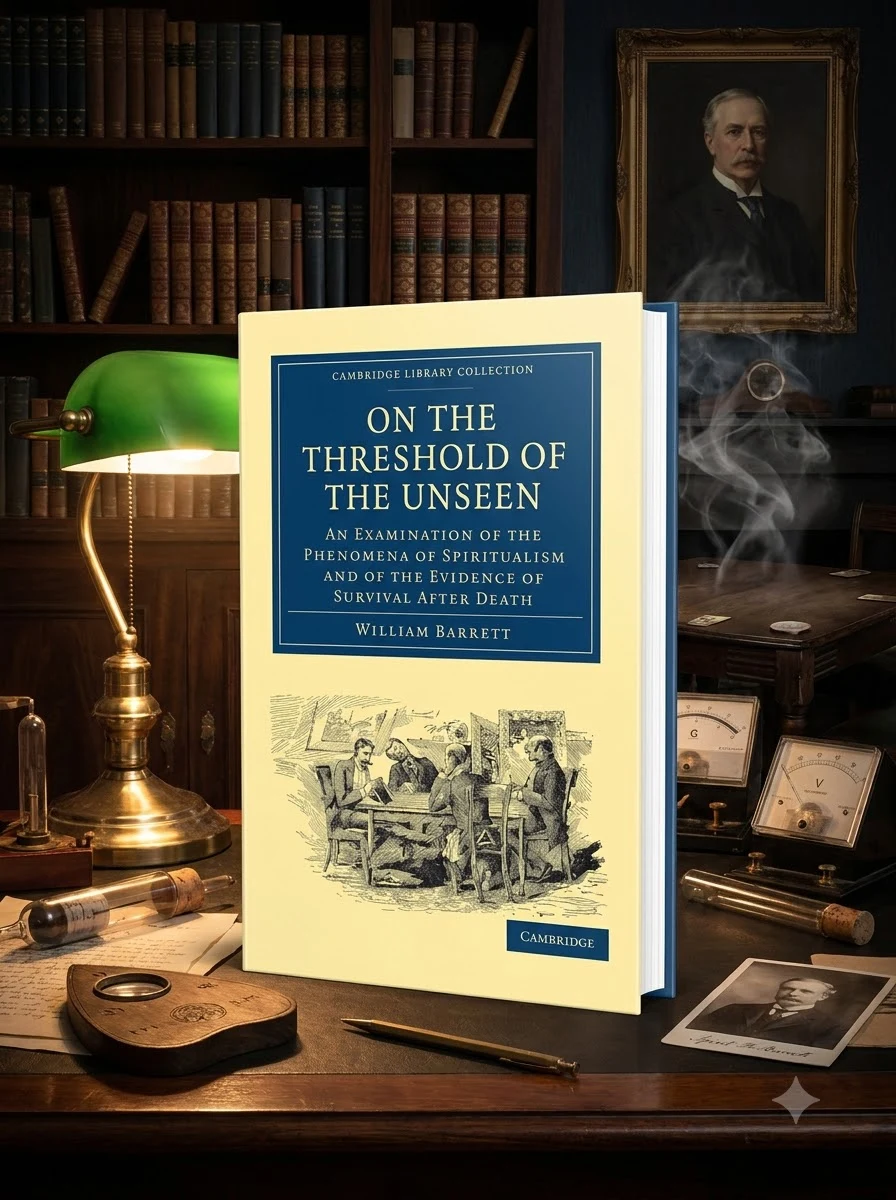

 91
91