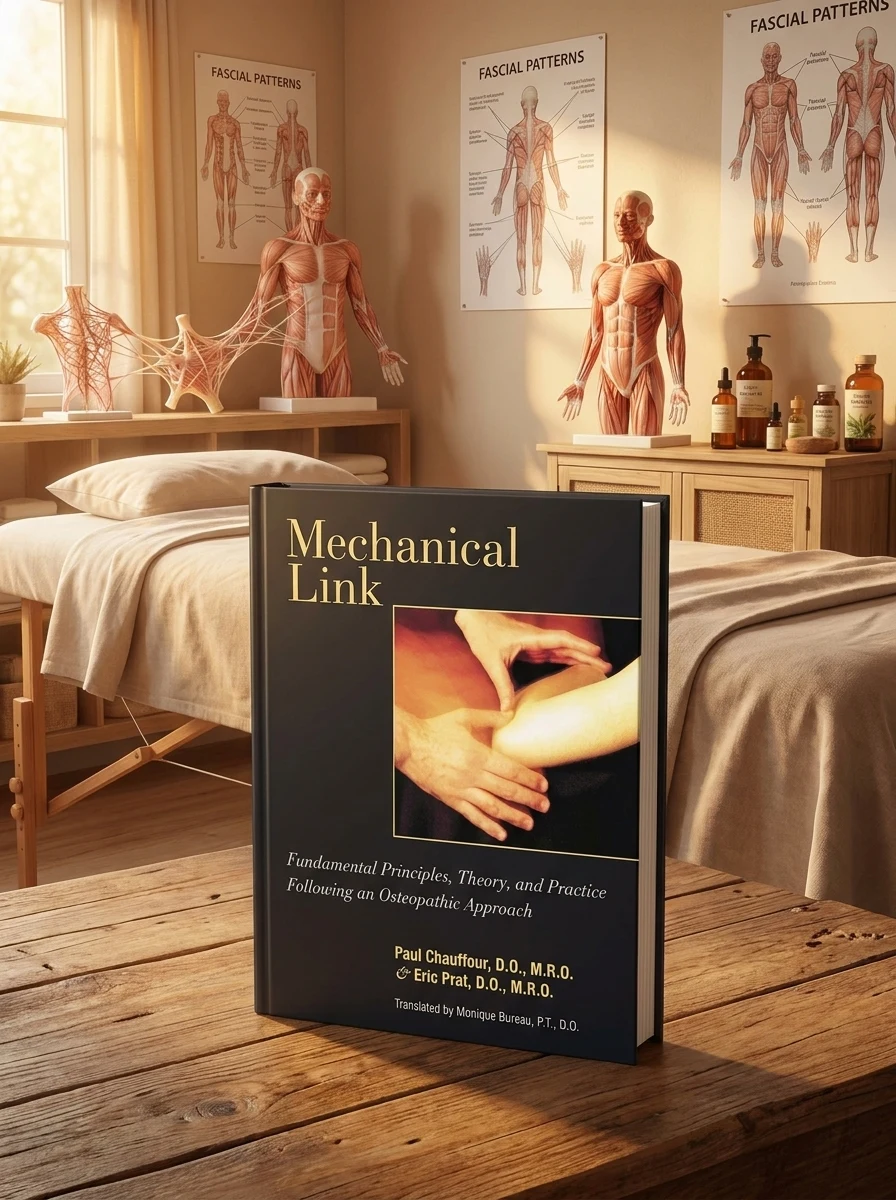
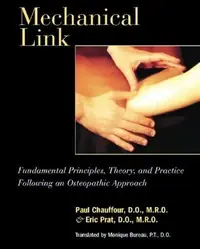
Mechanical Link: Fundamental Principles, Theory, and Practice Following an Osteopathic Approach


This edition can be ordered. No arrival date is confirmed.
Unlock your fascia’s hidden wisdom with this gentle, tension-balancing manual therapy.
Paul Chauffour’s Mechanical Link offers a sophisticated approach to fascial release, viewing the body’s connective web as a unified field of tension. By identifying and resolving specific lesions caused by trauma, this method restores equilibrium without force. The text serves as a practical guide for clinicians, detailing diagnostic techniques and treatment protocols supported by numerous photographs. It emphasizes the body’s innate capacity for self-correction, aiming to improve mobility, posture, and overall systemic health through precise, gentle manipulation rather than aggressive adjustment.
This text bridges the gap between clinical osteopathic practice and holistic bodywork, positioning fascial manipulation as a method for systemic health within contemporary alternative medicine traditions.


📝 Description: Mechanical Link: Fundamental Principles, Theory, and Practice Following an Osteopathic Approach
💎 Expert review
📖 Why choose it
Why this book is worth reading
Clinicians and dedicated practitioners seeking to refine their manual therapy skills will find immense value in Paul Chauffour’s precise methodology. This book is ideal for those who wish to move beyond aggressive adjustments toward a gentler, more intuitive approach that respects the body’s innate self-correcting mechanisms. Readers interested in the interconnectedness of fascia and overall systemic health will appreciate the detailed diagnostic techniques and treatment protocols provided. It serves as an essential resource for professionals aiming to restore equilibrium through tension-balancing rather than force, offering a sophisticated theoretical framework grounded in practical application for improved mobility and posture.
⭐ Reader reviews
Reader rating
This has been on my wishlist for months. There's real depth here that reveals itself on a second reading.
I've read excerpts online before, but having the full text is different. The language takes some getting used to, but it becomes part of the charm. Happy enough with the purchase.
I've read excerpts online before, but having the full text is different. Every rereading turns up something I missed. My only regret is not ordering it sooner.
Chauffour presents a rigorous, technical manual that demands serious study from its audience. The emphasis on identifying specific lesions and understanding the body as a unified field of tension makes this work indispensable for osteopathic students and seasoned therapists alike. However, it is not suited for casual readers or those seeking quick-fix wellness advice without commitment to deep theoretical understanding. The dense focus on clinical diagnostics may overwhelm beginners unfamiliar with anatomical terminology. Furthermore, individuals preferring purely spiritual or energetic healing modalities might find the mechanical approach too rigid. It is a serious professional text, not a general interest guide.
❓ Frequently asked questions
📖 Who should read this
Practitioners of osteopathy, physical therapy, and bodywork seeking advanced techniques for fascial release. Ideal for those treating chronic pain or seeking non-invasive methods to restore structural balance.
🎯 Key themes and symbolism
Fascial equilibrium
Trauma lesions
Gentle manipulation
💬 Quotes from the book
“The work stimulates the body's self-corrective responses, promoting normal mobility.”
“Mechanical Link brings tension into equilibrium.”
📜 Historical context
📚 Glossary
- Lesion
- Fascia
- Equilibrium
📔 Questions to reflect on
- Where do you hold unexplained tension in your own body?
- How might gentle pressure reveal hidden patterns of restriction?
- What does 'balance' feel like in your daily movement?
🏛 Books from this publisher North Atlantic Books
All books from this publisher →






You might also like
See more →