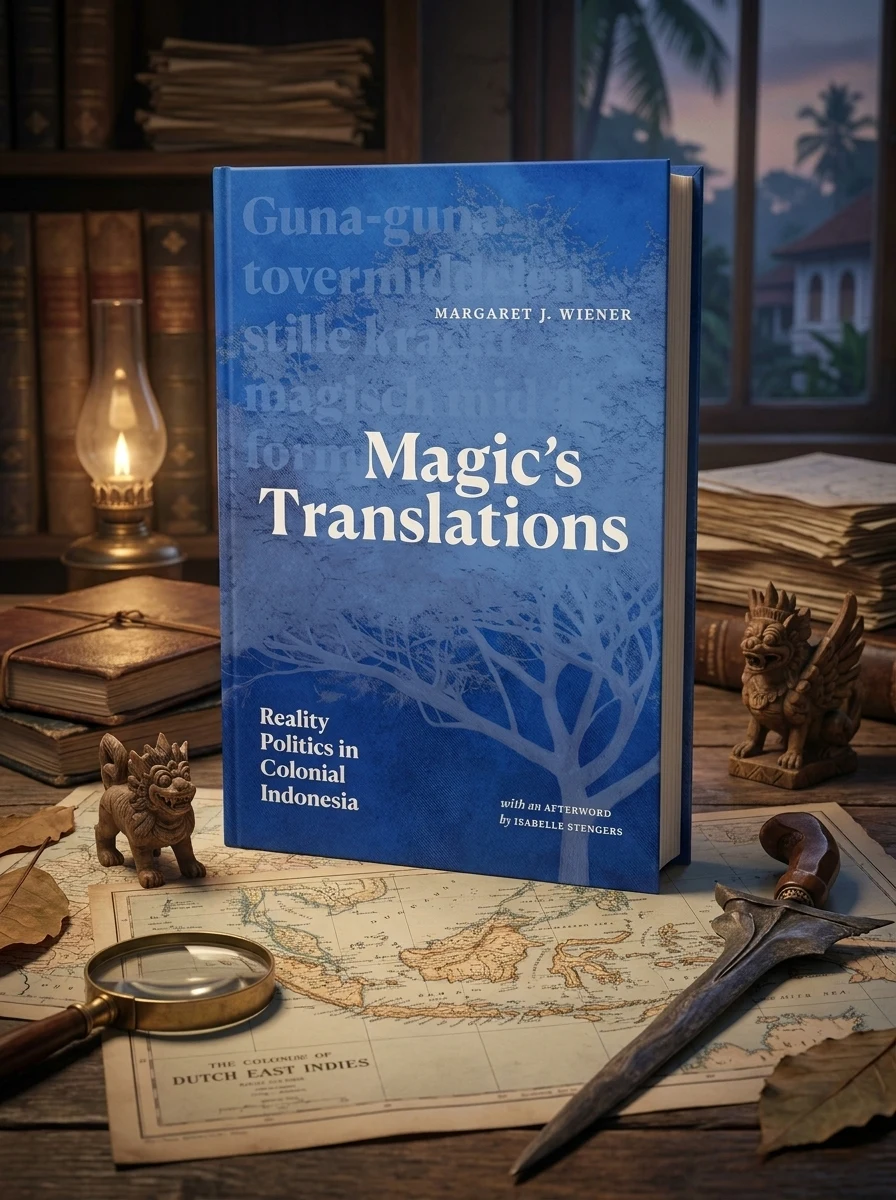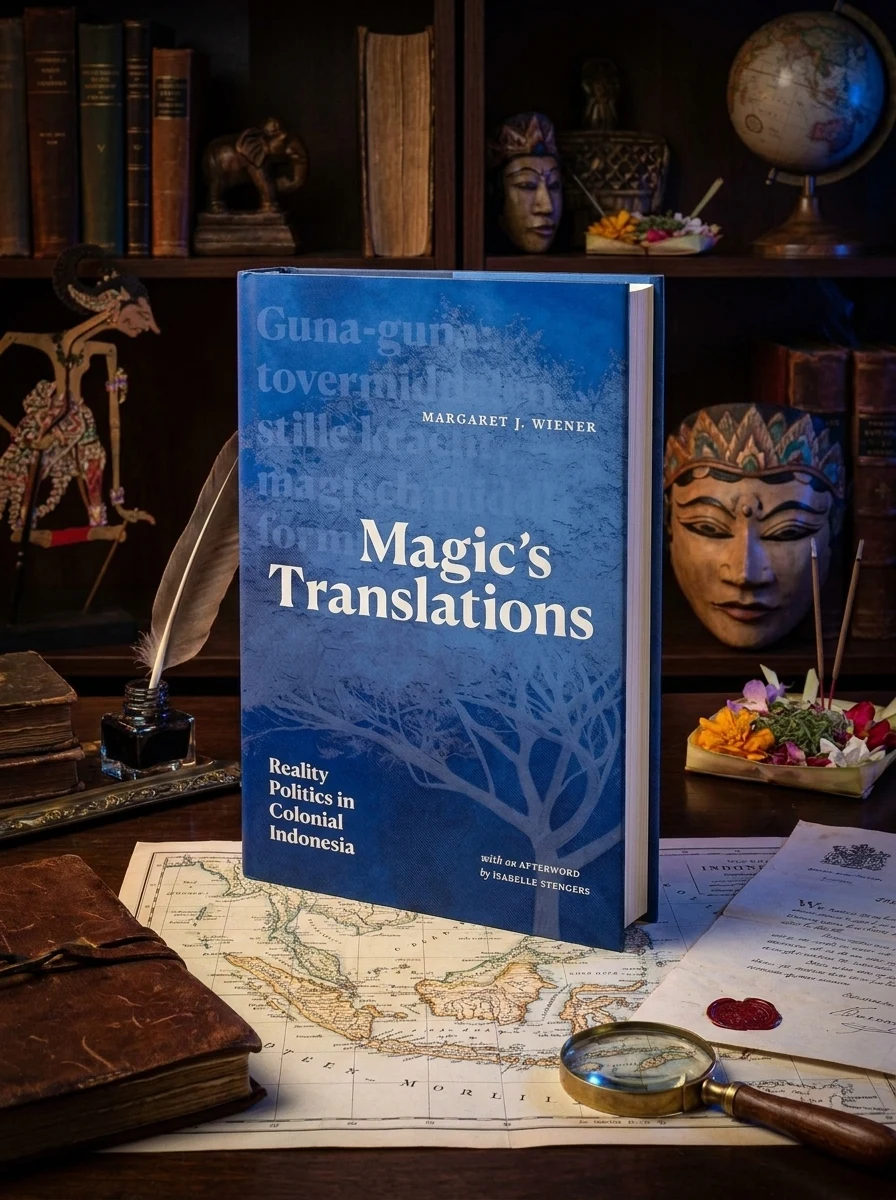
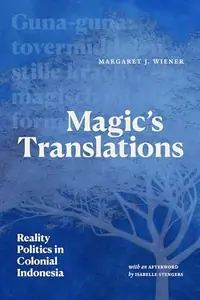
Magic's Translations: Reality Politics in Colonial Indonesia
Wiener, Margaret J; , Stengers, Isabelle

Stock reported in the catalog; fulfillment is confirmed with your request.
Unmasking the colonial roots of what we call "magic," this book redefines its very meaning.
Margaret J. Wiener's incisive work dissects how the concept of "magic" was weaponized during colonial encounters, particularly between Dutch authorities and Indonesian communities. Far from being an inherent, easily identifiable phenomenon, Wiener argues that "magic" emerged as a construct forged in power struggles. By framing unfamiliar practices as irrational or superstitious, colonizers justified their dominance, simultaneously differentiating themselves and subjugating indigenous cultures. This book reveals the complex interplay where, surprisingly, some "magical" elements defied categorization and subtly influenced European perspectives, even as anthropology played a significant role in its global translation.
This work sits at the intersection of post-colonial theory and the anthropology of religion, challenging essentialist views of esoteric practices by examining their political construction during Dutch colonial rule in Indonesia.


📝 Description: Magic's Translations: Reality Politics in Colonial Indonesia
💎 Expert review
📖 Why choose it
Why this book is worth reading
Readers interested in the political mechanics of belief and the history of colonial power dynamics will find this text indispensable. It offers a profound redefinition of magic not as a static supernatural force, but as a fluid construct shaped by imperial authority and resistance. By uncovering how Dutch officials weaponized the label of 'magic' to subjugate Indonesian cultures, the book provides critical insight into how knowledge systems are forged in conflict. It is essential for scholars and activists seeking to understand the roots of cultural categorization and the subtle ways indigenous practices influenced European thought despite colonial oppression.
⭐ Reader reviews
Reader rating
This scholarly examination rigorously deconstructs the colonial invention of 'magic,' revealing its role as a tool of dominance rather than an inherent cultural trait. While intellectually robust, it may frustrate readers seeking practical occult techniques or straightforward historical narratives. The dense theoretical framework demands patience and prior familiarity with anthropological discourse. It is not suitable for those looking for easy answers or traditional magical instruction. However, for those willing to engage with complex arguments about power, identity, and the translation of reality, it offers a necessary, albeit demanding, correction to mainstream esoteric historiography.
❓ Frequently asked questions
📖 Who should read this
If you're drawn to critical examinations of history, the politics of knowledge, or the enduring legacy of colonialism, this book offers profound insights. It's essential for anyone seeking to understand how language shapes reality and power structures influence perception, particularly concerning spiritual and cultural practices.
🎯 Key themes and symbolism
Colonial Power Dynamics
The book meticulously explores how European colonial powers, specifically the Dutch in Indonesia, utilized the label of "magic" as a tool for control and subjugation. It highlights the strategic process of defining indigenous spiritual or cultural practices as irrational superstition to assert intellectual and moral superiority, thereby legitimizing colonial rule and exploitation.
Anthropology's Complicity
Wiener critically examines the historical role of anthropology and ethnology in shaping and disseminating the concept of "magic" worldwide. The text reveals how early anthropological endeavors, while ostensibly scientific, often contributed to the colonial project by categorizing and interpreting non-Western practices through a biased lens, influencing their perception for generations.
Redefining 'Magic'
This work fundamentally challenges preconceived notions of what "magic" is. It posits that "magic" is not an intrinsic, universal category, but rather a fluid, socially constructed label. The book demonstrates how this label was applied to diverse phenomena, stripping them of their original context and meaning, often to serve a particular political agenda.
💬 Quotes from the book
“The very act of labeling indigenous practices as 'magic' was a sophisticated colonial maneuver, designed to rationalize conquest and dismiss profound cultural differences as mere superstition.”
“Despite rigorous attempts to contain and categorize, certain 'magical' artifacts seemed to transcend their assigned roles, subtly re-inscribing their power within the colonial psyche, creating unexpected cultural friction.”
📜 Historical context
📚 Glossary
- Magic (colonial construct)
- Colonial Agents
- Ethnology
📔 Questions to reflect on
- How might our contemporary understanding of 'magic' still be influenced by historical colonial categorizations? Provide specific examples.
- Reflect on how the power of naming and categorization shapes our perception of different cultural or spiritual practices. What responsibilities come with this power?
- Consider the ethical implications for researchers and anthropologists studying 'unfamiliar' cultures. How can one avoid perpetuating colonial-era biases in their work?
✍️ More books by this author Wiener, Margaret J; , Stengers, Isabelle
All books by this author →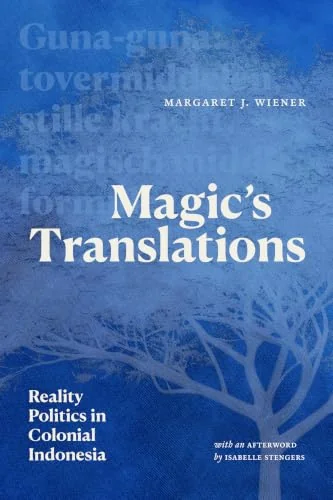
🏛 Books from this publisher Duke University Press
All books from this publisher →
You might also like
See more →