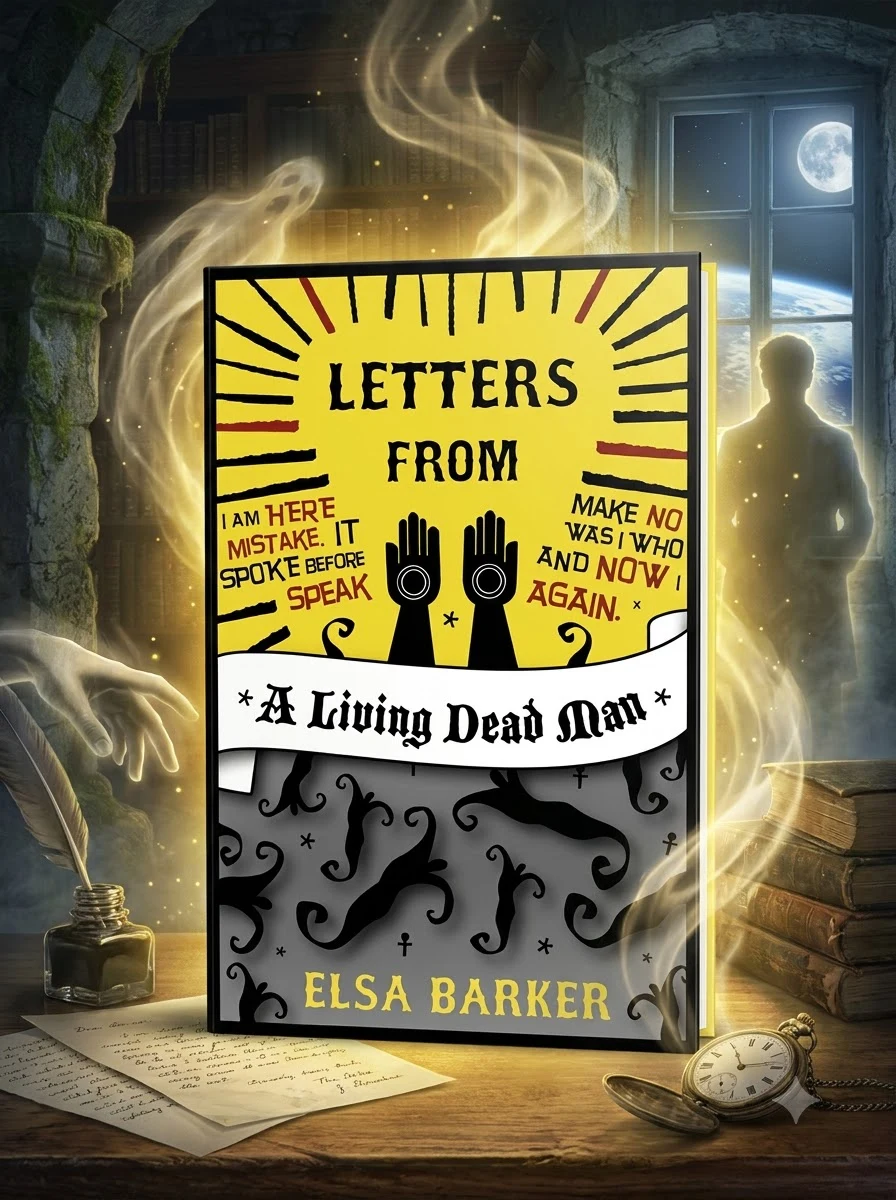
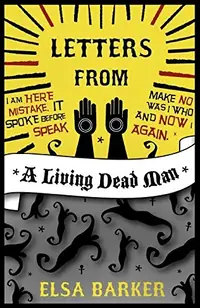
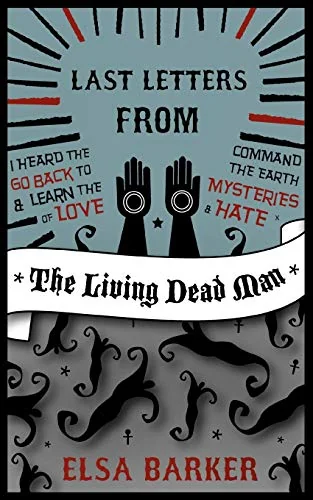
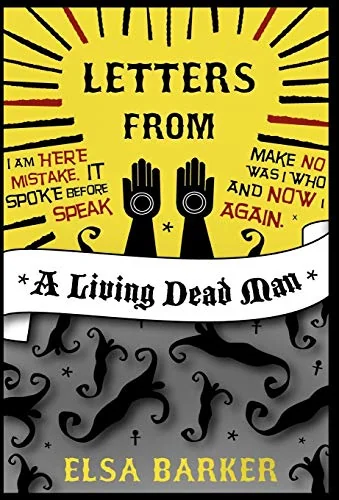
Letters from a Living Dead Man
Barker, ElsaStock reported in the catalog; fulfillment is confirmed with your request.
Journey beyond the veil: a unique voice speaks from the other side.
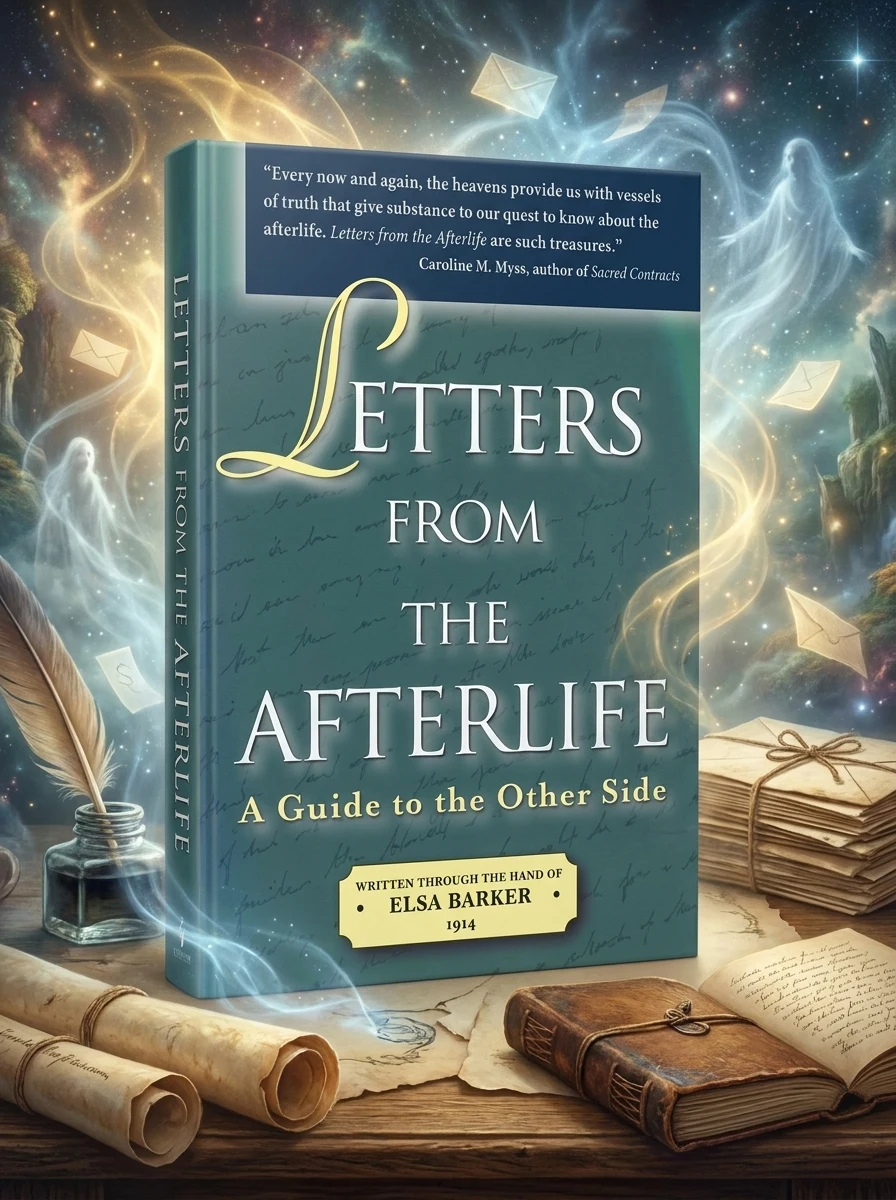
This extraordinary volume presents a series of communications channeled by the American author Elsa Barker in 1912. Purportedly from the spirit of Judge David Patterson Hatch, a recently deceased Los Angeles lawyer, these messages offer a firsthand account of the immediate post-mortem experience. Through automatic writing, Hatch shares his observations and insights into the subtle realms, the continuation of consciousness, and the profound importance of earthly life. It's a compelling narrative that challenges conventional understanding of death and provides a deeply personal glimpse into the unknown.
This work emerges from the early twentieth-century spiritualism movement, specifically reflecting the era's fascination with automatic writing and channeling as valid methods of communication with the deceased. It sits within the broader esoteric tradition of documenting immediate post-mortem experiences to validate the continuity of consciousness.


📝 Description: Letters from a Living Dead Man
💎 Expert review
📖 Why choose it
Why this book is worth reading
This book is essential for those curious about the mechanics of spiritual communication and the nature of existence after death. Readers who have lost loved ones or seek comfort in the idea that consciousness persists will find profound solace in Hatch’s firsthand account. It offers a unique perspective on the 'subtle realms' without requiring prior occult knowledge, making it accessible to skeptics and believers alike. Those interested in the historical context of American spiritualism or the specific practice of automatic writing as recorded by Elsa Barker will appreciate this intimate glimpse into the unknown. It serves as both a personal narrative and a philosophical inquiry into the value of earthly life, providing a gentle yet compelling argument for the reality of the spirit world.
⭐ Reader reviews
Reader rating
While 'Letters from a Living Dead Man' provides a fascinating window into 1912 spiritualist thought, it is not for the modern skeptic or those seeking rigorous academic analysis. Readers expecting complex metaphysical theory or literary sophistication may find the content simplistic or overly sentimental. It is best suited for enthusiasts of parapsychology and historical occultism who appreciate primary source accounts of channeling. Those uncomfortable with the premise of automatic writing or the Victorian-Edwardian tone of spiritualist literature might struggle to engage with the material. However, for its intended audience, it remains a poignant and historically significant document that captures the era's hopeful yet earnest approach to bridging the gap between life and death.
❓ Frequently asked questions
📖 Who should read this
If you're drawn to accounts of the afterlife, mediumship, or personal narratives that challenge the boundaries of life and death, this book offers a compelling and often poignant exploration. It's for those seeking a unique perspective on existence beyond the veil, and a deeper understanding of our spiritual journey.
🎯 Key themes and symbolism
Post-Mortem Existence
Judge Hatch's dispatches offer a rare, firsthand narrative of the immediate aftermath of death. He describes the sensations of transition, the environment of the subtle planes, and the continuation of consciousness, challenging conventional perceptions of an end. His account provides a personal glimpse into the journey beyond the physical, detailing the landscape of the afterlife.
Channeling the Departed
The book itself is a testament to the practice of automatic writing, a method of receiving communications from non-physical entities. Barker serves as a conduit for Judge Hatch's messages, highlighting the historical and spiritual significance of such mediumship in conveying profound truths from other realms. It's a prime example of spirit communication.
Earthly Life's Significance
Paradoxically, from beyond the grave, the Judge emphasizes the profound importance and preciousness of mortal life. He reflects on his own lingering regrets about leaving the physical world too soon, offering a unique perspective that encourages readers to embrace their present existence fully and not take their time on Earth for granted.
💬 Quotes from the book
“Do not fear death; but stay on earth as long as you can. Not withstanding the companionship I have here, I sometimes regret my failure in holding on to the world.”
“Everything is well with me. I will tell you things that have never been told.”
📜 Historical context
📚 Glossary
- Automatic Writing
- Discarnate Being
- Spiritualism
📔 Questions to reflect on
- How does Judge Hatch's perspective on life after death compare with your own beliefs or experiences?
- If you could communicate with a loved one who has passed, what questions would you ask about their current existence?
- The Judge regrets not holding onto life longer. What aspects of your current earthly experience do you most value and wish to fully embrace?
✍️ More books by this author Barker, Elsa
All books by this author →
🏛 Books from this publisher White Crow Books
All books from this publisher →


You might also like
See more →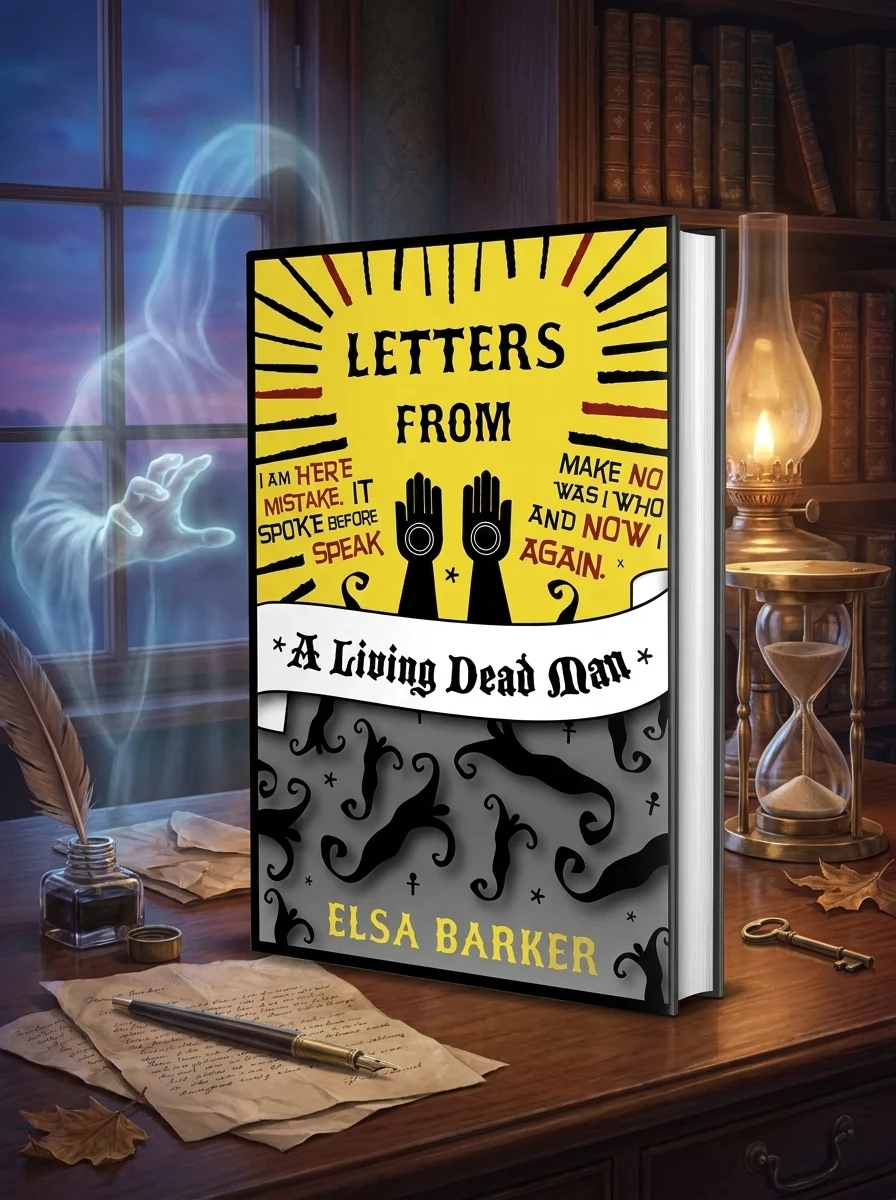
 79
79