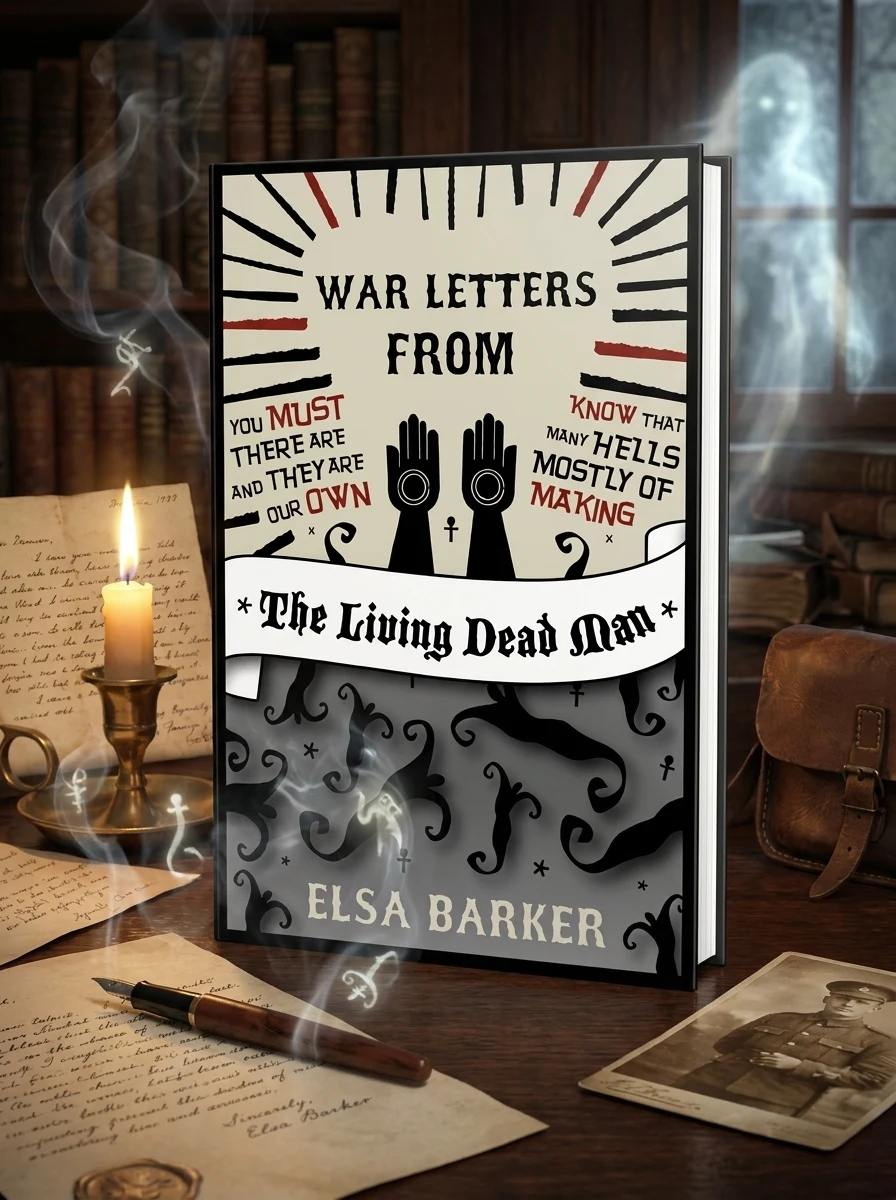
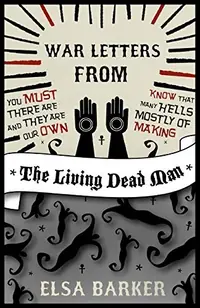
War Letters from the Living Dead Man
Barker, ElsaStock reported in the catalog; fulfillment is confirmed with your request.
Journey beyond the veil with letters penned by a soul recently departed.
This remarkable volume presents channeled communications from Judge David Patterson Hatch, an individual who claimed to have recently transitioned from the physical realm. Author Elsa Barker, a spiritualist writer, received these messages through automatic writing while in Paris in 1912. The "living dead man" shares his immediate post-mortem experiences, offering a unique perspective on life beyond death. He recounts his transition, the nature of his new existence, and reflections on his earthly life, providing insights intended to demystify death and offer solace to those grappling with mortality. It's a profound look at consciousness enduring beyond the body.
This work emerges from the early 20th-century spiritualist movement, specifically reflecting the era's fascination with automatic writing and mediumship as documented in Paris during 1912. It serves as a primary text for understanding contemporary beliefs about the immediate post-mortem state and the continuity of consciousness.


📝 Description: War Letters from the Living Dead Man
💎 Expert review
📖 Why choose it
Why this book is worth reading
Readers seeking comfort regarding mortality or those deeply interested in historical spiritualism will find this volume profoundly resonant. It offers a unique, intimate window into the perceived experiences of a soul just after death, presented through the lens of early 20th-century mediumship. Those grappling with the concept of the 'living dead man' and his reflections on earthly life will appreciate the demystification of the transition process. The book provides solace by portraying consciousness as enduring beyond the physical body, making it essential for students of esoteric history or individuals looking for gentle, channeled insights into what lies beyond the veil.
⭐ Reader reviews
Reader rating
While fascinating for its historical and metaphysical context, this book may not suit readers preferring empirical evidence or traditional narrative fiction. The reliance on automatic writing as a source material might feel abstract or unconvincing to skeptics of spiritualism. Additionally, those expecting dramatic plot twists or modern psychological analysis will likely find the tone too reflective and static. However, for enthusiasts of early 1900s occultism and direct channeled communications, it remains a valuable artifact. It is best approached as a historical document of belief rather than a literary thriller, appealing specifically to those open to non-materialist perspectives on death.
❓ Frequently asked questions
📖 Who should read this
If you are drawn to spiritualist literature, exploring the nature of consciousness, or seeking comfort and insight into what lies beyond physical death, this unique account offers a profound and thought-provoking journey into the unseen. It’s for those open to unconventional spiritual narratives.
🎯 Key themes and symbolism
Life Beyond Death
The book offers a firsthand account, purportedly from a discarnate entity, detailing the sensations and realities of existence immediately following physical death. It describes a continuation of consciousness, a different form of perception, and a new environment, challenging conventional views of mortality by presenting a narrative from the other side, aiming to alleviate the fear of the unknown.
Automatic Writing & Channeling
This work is a prime example of automatic writing, a spiritualist practice where a medium's hand writes messages from an external intelligence without conscious control. The book explores the process itself, as well as the content received, offering a historical look at how such communications were understood and valued during the early 20th century spiritualist movement, presenting itself as genuine channeled wisdom.
Reflections on Earthly Life
Through the Judge's post-mortem reflections, the book implicitly encourages readers to reconsider their priorities and actions in the physical world. He shares insights on what truly matters from a disembodied perspective, occasionally expressing regret over missed opportunities or attachment to worldly concerns, thereby offering a contemplative lens on the significance and fleeting nature of human existence.
💬 Quotes from the book
“The great liberation was not an end, but a startling expansion. I am here, still I, yet unfettered by the dense cloak of matter that once defined my every breath.”
“Do not rush this precious schoolroom you call Earth. Every fleeting moment holds lessons and joys whose true value only becomes clear from this vantage point.”
📜 Historical context
📚 Glossary
- Automatic Writing
- Discarnate Being
- Spiritualism
📔 Questions to reflect on
- If you were to receive a message from a departed loved one, what wisdom or insight would you most hope for them to share?
- Considering the 'Judge's' reflections, what aspects of your current life do you believe you might regret or value more deeply from a post-mortem perspective?
- How does the concept of a continued, conscious existence after death, as presented here, align with or challenge your own beliefs about mortality?
✍️ More books by this author Barker, Elsa
All books by this author →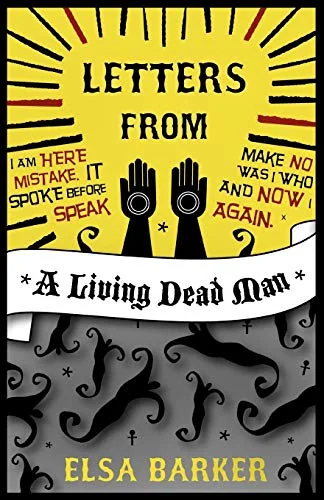
🏛 Books from this publisher White Crow Books
All books from this publisher →


You might also like
See more →
 84
84



 91
91
 91
91