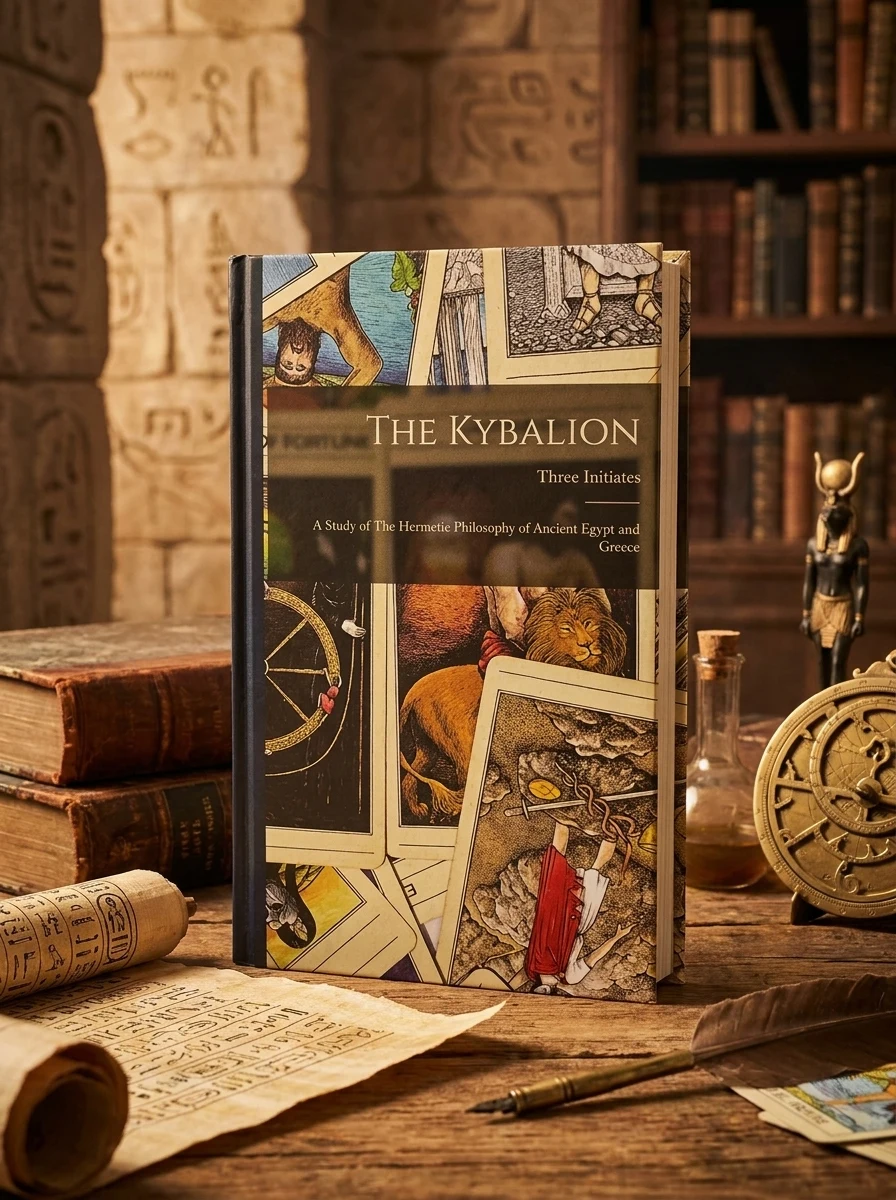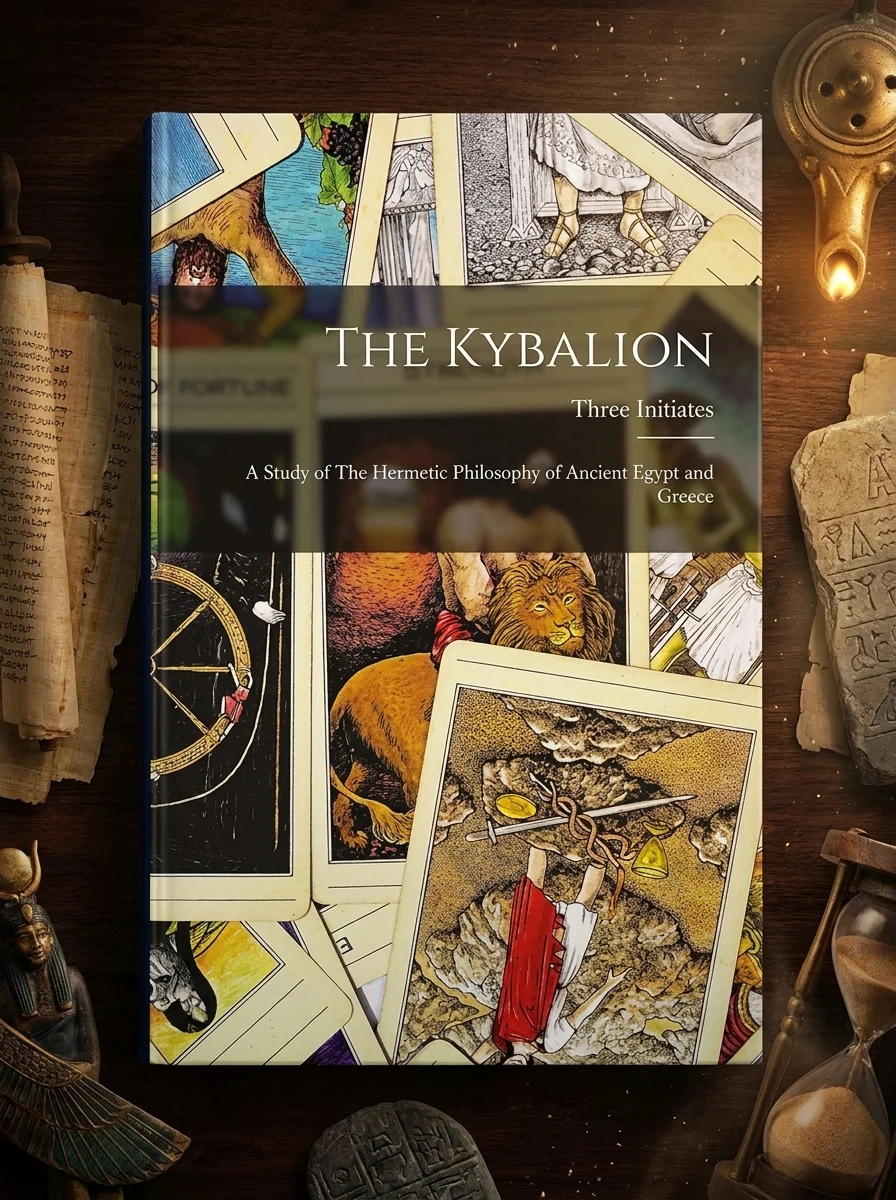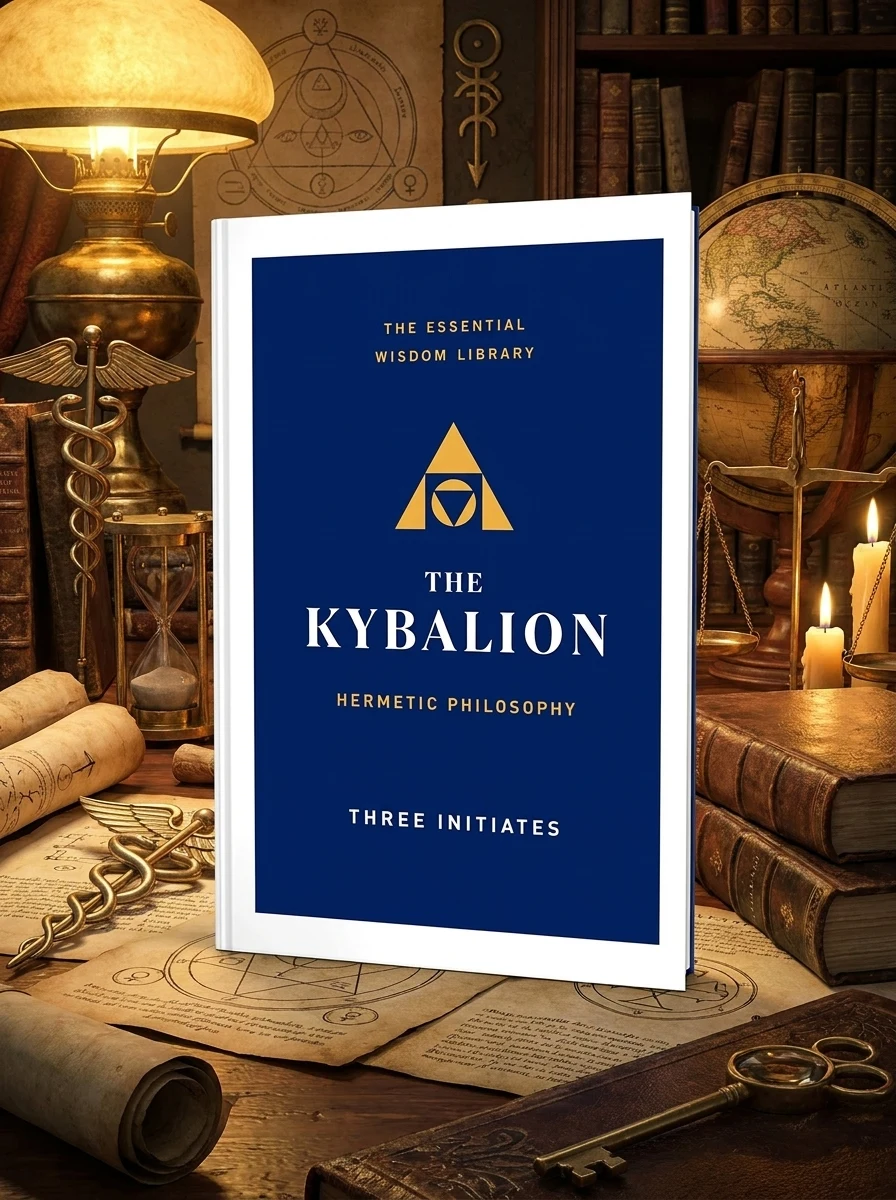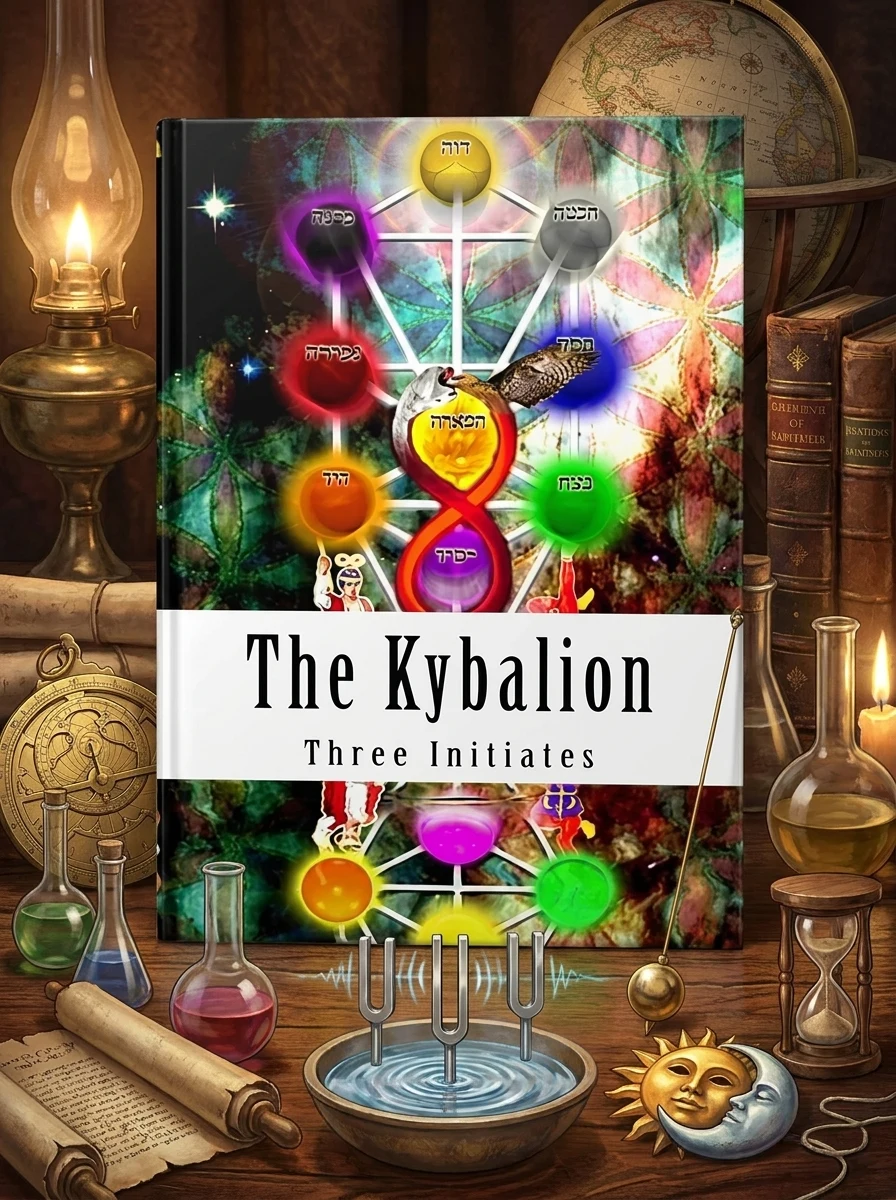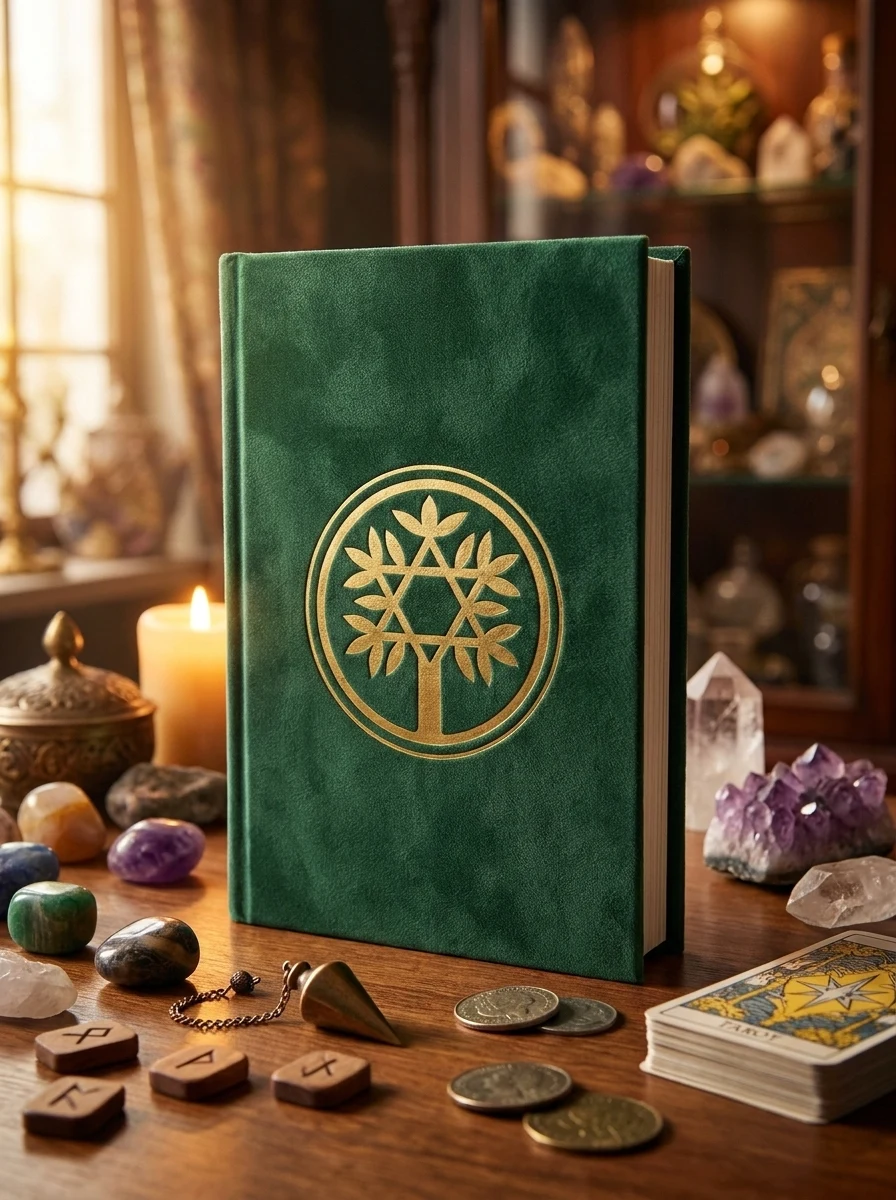
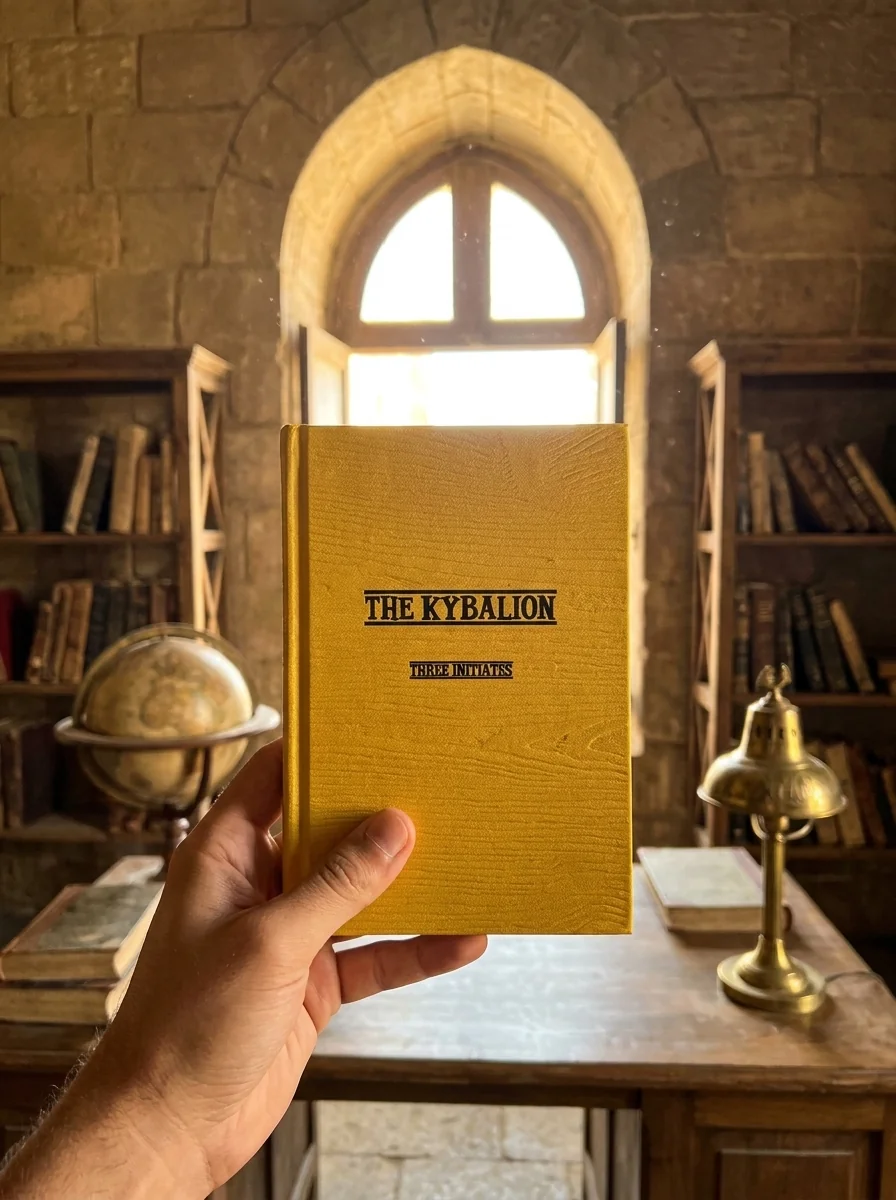

Kybalion: A Study of The Hermetic Philosophy of Ancient Egypt and Greece
✍️ Initiates, ThreeAn exegesis on ancient Hermetic philosophy written by Three Initiates.
This edition outlines core Hermetic doctrines shared through an unbroken line of custody. It centers on seven principles, including mentalism, correspondence, vibration, polarity, rhythm, causation, and gender. The chapters unpack abstract concepts like The Divine Paradox, mental gender, and Hermetic axioms to align seemingly contradictory occult systems. Rather than detailed guides, it offers universal working rules for dedicated students to apply independently.
The text draws on traditions originating from Hermes Trismegistus in ancient Egypt, who influenced seekers across India, Persia, Chaldea, and ancient Greece.


📝 Description: Kybalion: A Study of The Hermetic Philosophy of Ancient Egypt and Greece
💎 Expert review
📖 Why choose it
Why this book is worth reading
Readers seeking a structured framework for personal empowerment and spiritual clarity will find immense value in this concise guide. It is ideal for those interested in mastering their inner world through the lens of ancient wisdom. By unpacking seven universal principles like Mentalism and Vibration, the book offers practical tools for understanding existence and cultivating growth. It appeals to seekers who desire accessible esoteric truths without dense academic jargon, providing a clear path to aligning mind and destiny through timeless Hermetic insights.
⭐ Reader reviews
Reader rating
While this text provides a compelling overview of Hermetic tenets, it may disappoint readers expecting rigorous historical analysis or complex metaphysical debate. Its brevity and anonymous authorship mean it lacks the depth found in scholarly works on ancient Egypt or Greece. Those seeking detailed citations or philosophical nuance might find it overly simplistic. However, for beginners craving an accessible introduction to esoteric principles, it succeeds admirably as a foundational primer rather than a comprehensive academic treatise.
❓ Frequently asked questions
📖 Who should read this
If you seek a clear, concise guide to the fundamental spiritual laws governing the universe and your own consciousness, this book is for you. It offers practical insights for anyone interested in self-mastery, personal transformation, and understanding the deeper mechanics of reality.
🎯 Key themes and symbolism
Seven Universal Principles
The Kybalion meticulously outlines the seven Hermetic laws—Mentalism, Correspondence, Vibration, Polarity, Rhythm, Cause and Effect, and Gender. It explains how these immutable principles operate throughout the cosmos and in our daily lives, providing a comprehensive framework for understanding reality and influencing personal experience through conscious application.
Mind as Creator
Central to Hermetic philosophy is the concept that "All is Mind; The Universe is Mental." This book profoundly explores the implications of this idea, suggesting that our thoughts and mental states are not merely subjective experiences but powerful forces shaping our reality. It emphasizes the potential for conscious creation and self-mastery through mental discipline.
Ancient Wisdom's Revival
This work serves as a modern synthesis of ancient Egyptian and Greek esoteric teachings, making complex Hermetic concepts accessible to contemporary seekers. It aims to reintroduce spiritual truths that, while perennial, have often been obscured, providing a bridge between profound historical mysticism and practical spiritual development for the modern individual.
📜 Historical context
📚 Glossary
- Hermeticism
- Mentalism
- Correspondence
📔 Questions to reflect on
- How does the principle of Mentalism challenge your current understanding of reality and your personal power within it?
- Reflect on a challenging situation in your life. How might applying the Principle of Polarity or Rhythm offer a new perspective or a path forward?
- Consider the idea of 'As Above, So Below.' In what ways do you see macrocosmic patterns reflected in your microcosm, or vice-versa?