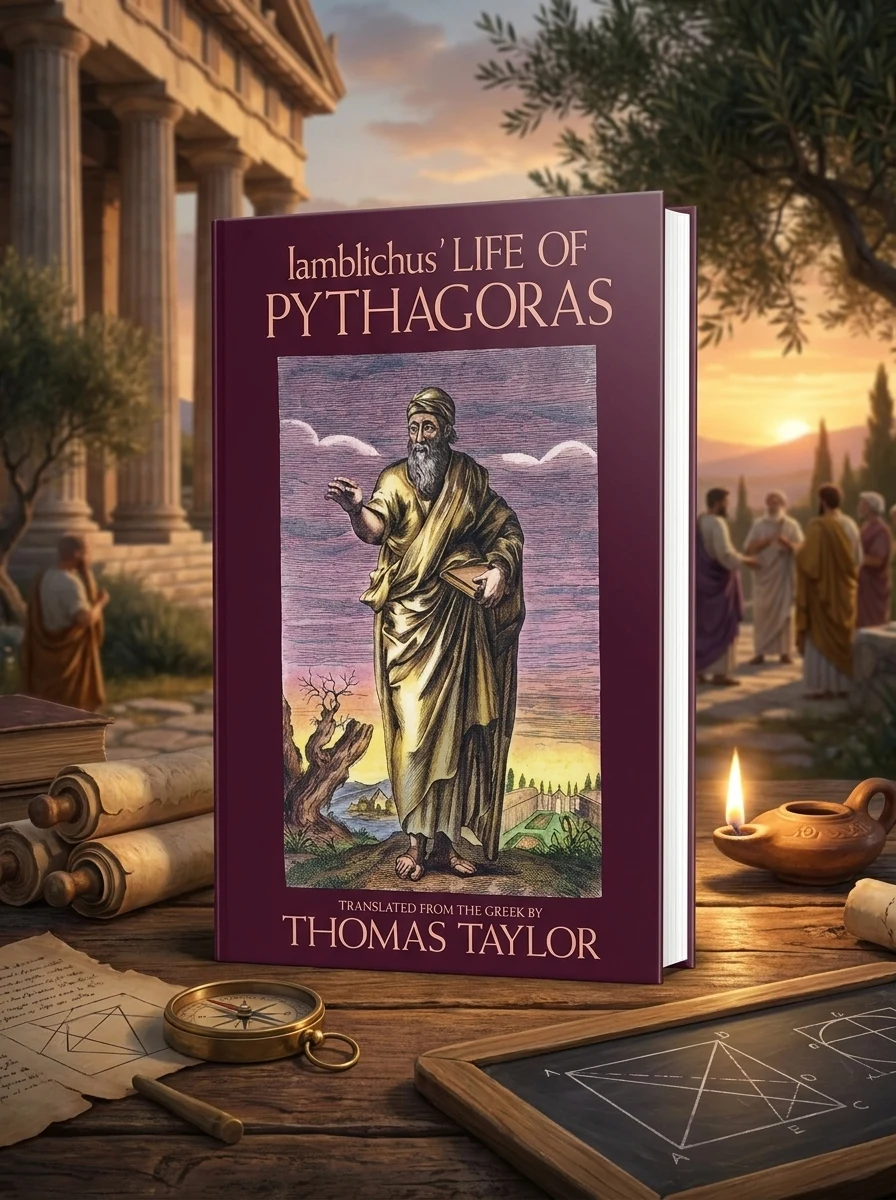
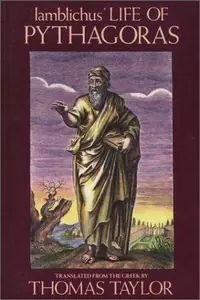
Iamblichus' Life of Pythagoras (Original)


This edition can be ordered. No arrival date is confirmed.
Uncover the mystical origins of philosophy through the life of Pythagoras.
This esteemed volume presents Iamblichus's definitive ancient biography of Pythagoras, the foundational figure of philosophy and geometry. Universally recognized for drawing upon the most venerable sources, it offers an unparalleled window into the sage's life. Readers will trace Pythagoras from his birth on Samos, through his extensive education with Greek masters like Thales, to his transformative twenty-two years of study in Egyptian temples and initiations into esoteric mysteries. Thomas Taylor's esteemed 1818 translation brings this profound journey, filled with insightful anecdotes, back to eager minds.
This work sits at the intersection of ancient Neoplatonic biography and early nineteenth-century English translation traditions. It serves as a vital bridge between classical esoteric history and modern occult philosophy, preserving the mystical lineage of Pythagoreanism through Iamblichus's authoritative lens.


📝 Description: Iamblichus' Life of Pythagoras (Original)
💎 Expert review
📖 Why choose it
Why this book is worth reading
Readers deeply invested in the mystical origins of Western philosophy will find this volume indispensable. It offers an unparalleled window into the foundational figure of geometry and spiritual discipline, tracing his journey from Samos to Egyptian initiations. Thomas Taylor’s translation captures the profound depth of these ancient sources, allowing modern seekers to engage with the sage’s transformative experiences. Those seeking to understand the esoteric roots of their tradition will appreciate the meticulous attention to venerable texts. This book is essential for anyone wishing to trace the intellectual and spiritual lineage that shaped later philosophical thought, providing a rich, anecdotal history that illuminates the hidden currents of ancient wisdom.
⭐ Reader reviews
Reader rating
While this translation remains a seminal text for specialists in Neoplatonism and ancient biography, it demands patience from casual readers. The dense prose and lack of modern commentary may alienate those seeking accessible summaries or contemporary interpretations of Pythagoreanism. It is not suited for readers who prefer narrative-driven biographies with light analytical frameworks. However, for scholars and serious esoteric practitioners, the fidelity to Iamblichus’s original account provides an authentic, albeit rigorous, encounter with classical mysticism. The value lies in its historical integrity rather than entertainment, making it a necessary but demanding resource for the dedicated student of occult history.
❓ Frequently asked questions
📖 Who should read this
For scholars of ancient philosophy, practitioners of esoteric traditions, and anyone drawn to the foundational figures of Western mysticism. If you seek to understand the mystical underpinnings of philosophical thought and the life of a true spiritual initiate, this classic work is an an essential read.
🎯 Key themes and symbolism
Pythagorean Esoteric Legacy
This text illuminates Pythagoras not merely as a mathematician but as a profound spiritual master whose teachings shaped Western thought. It delves into his esoteric practices, communal living, and the ethical disciplines that defined his school, presenting him as a guide to both intellectual and spiritual illumination, far beyond mere arithmetic.
Journeys to Ancient Wisdom
Follow Pythagoras's quest for knowledge across the ancient world, from his early studies with Greek philosophers to extensive instruction within Egypt's sacred temples and initiations into Babylonian mysteries. The book emphasizes the global origins of his profound insights, highlighting the synthesis of diverse ancient traditions that informed his unique philosophical system.
The Divine Philosopher
Iamblichus portrays Pythagoras with an almost hallowed reverence, reflecting the "divine" epithet bestowed upon him by later Platonists. This biography emphasizes his charismatic influence, his ability to attract disciples from across the world, and the enduring depth of his discourse, presenting him as a figure of extraordinary intellectual and spiritual genius.
💬 Quotes from the book
“The true philosopher, initiated into the Greater Mysteries, recognizes the divine harmony woven into all existence, from the celestial spheres to the soul's deepest chambers.”
“Through diligent study in foreign lands and profound initiations, Pythagoras ascended to knowledge not found in ordinary discourse, but revealed by the ancient and sacred traditions.”
📜 Historical context
📚 Glossary
- Iamblichus
- Pythagoras
- Neoplatonism
📔 Questions to reflect on
- How might Pythagoras's emphasis on both intellectual rigor and esoteric initiation inform your own pursuit of knowledge?
- Reflect on the idea of a "divine philosopher." What qualities would such a figure possess, and how might their teachings resonate in today's world?
- Consider Pythagoras's journey to Egypt and Babylon. What lessons can be drawn from seeking wisdom across different cultures and traditions?
🏛 Books from this publisher Inner Traditions International
All books from this publisher →



You might also like
See more →