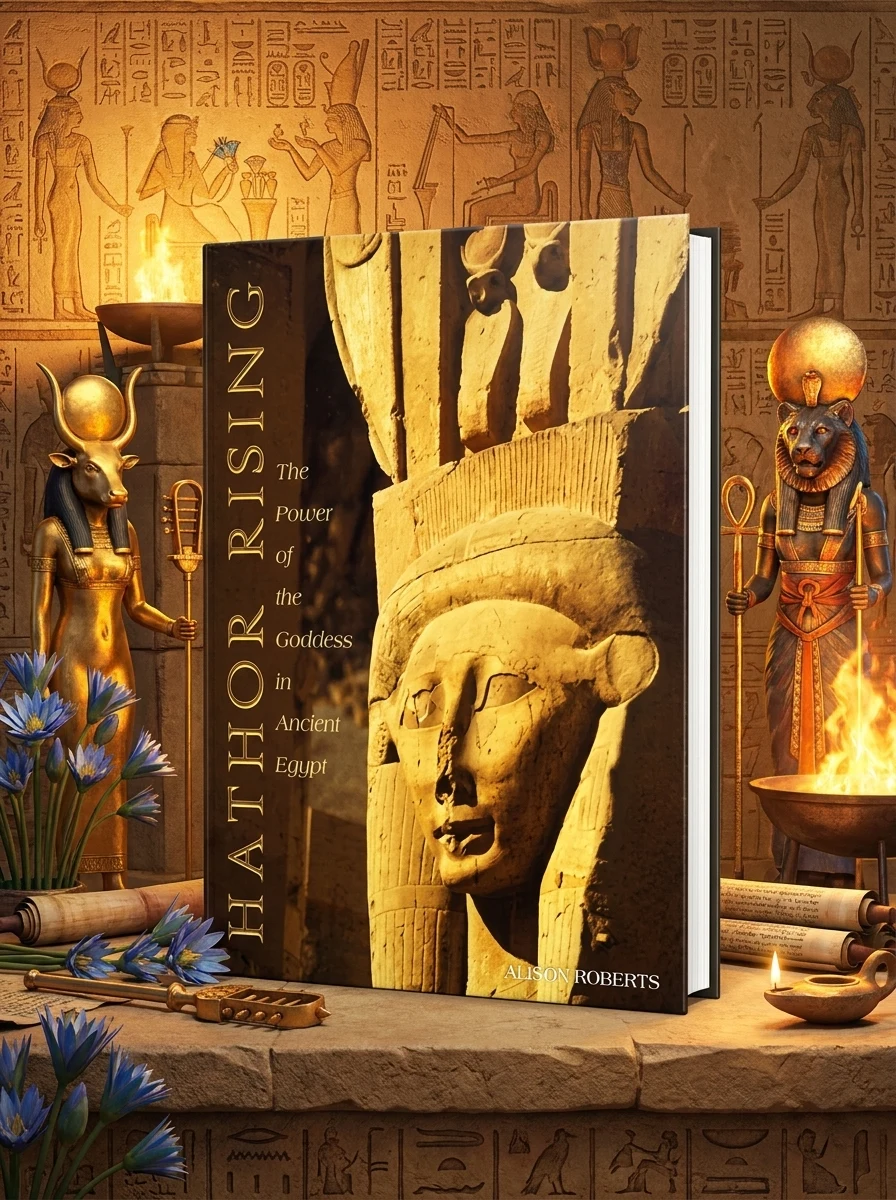
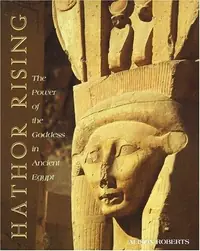
Hathor Rising: The Power of the Goddess in Ancient Egypt (Original)


Stock reported in the catalog; fulfillment is confirmed with your request.
Unearth the fiery heart of ancient Egypt's divine feminine with Hathor-Sekhmet.
Delve into the often-overlooked feminine dimension of ancient Egyptian spirituality through an illuminating exploration of Hathor-Sekhmet. This groundbreaking study meticulously analyzes temple art, timeless myths, sacred rituals, and poetic verses to reveal the central role of this dynamic goddess. Roberts unveils Hathor-Sekhmet's potent blend of sensual life-force and protective ferocity, demonstrating how her symbolism, particularly the uraeus on pharaohs, embodied the very essence of royal authority and dynamic leadership. Discover new insights into Egypt's rich legacy of divine womanhood.
This work resides within the realm of modern esoteric Egyptology and goddess spirituality, bridging ancient mythological studies with contemporary occult philosophy. It explores the divine feminine through the lens of Inner Traditions International's focus on perennial wisdom and sacred traditions.


📝 Description: Hathor Rising: The Power of the Goddess in Ancient Egypt (Original)
💎 Expert review
📖 Why choose it
Why this book is worth reading
Readers deeply interested in the intersection of ancient Egyptian spirituality and modern feminist theology will find this book profoundly rewarding. Alison Roberts offers a unique window into the fiery heart of the divine feminine, specifically through the dual nature of Hathor and Sekhmet. Those seeking to understand the roots of royal authority and the potent blend of sensual life-force with protective ferocity will gain valuable insights. It is ideal for occult practitioners who wish to connect with dynamic leadership symbolism and the uraeus. By analyzing temple art and sacred rituals, the book provides a tangible link to Egypt's rich legacy of divine womanhood, empowering readers to embrace their own inner strength and spiritual sovereignty.
⭐ Reader reviews
Reader rating
Roberts delivers a meticulous analysis that is both scholarly and spiritually resonant, making it a standout for enthusiasts of Egyptian goddesses. However, this volume may not suit readers seeking purely academic archaeological reports or those uninterested in the esoteric interpretation of mythological figures. It requires an openness to exploring the 'fiery' and potentially aggressive aspects of divinity, which might challenge those preferring gentler spiritual narratives. The focus on temple art and rituals is thorough, yet it demands a willingness to engage with dense symbolic analysis rather than light reading. Ultimately, it is a powerful resource for specific niches within occult philosophy but lacks broad appeal for general mythology readers who do not grasp the esoteric context.
❓ Frequently asked questions
📖 Who should read this
If you're drawn to the mysteries of ancient Egypt, seeking deeper understanding of divine feminine power, or exploring the roots of spirituality beyond patriarchal narratives, this book offers a transformative perspective. It's essential for anyone curious about the foundational role of goddesses in one of history's most enduring civilizations.
🎯 Key themes and symbolism
Egypt's Divine Feminine
This work fundamentally re-examines the Egyptian pantheon, spotlighting the profound yet often underestimated presence of goddesses. It challenges traditional views by demonstrating the pervasive influence and power of feminine deities, particularly Hathor-Sekhmet, revealing a spiritual landscape far richer in female agency than previously understood.
Hathor-Sekhmet's Primal Power
Explore the captivating duality of Hathor-Sekhmet, a goddess embodying both vibrant, life-giving sensuality and formidable, protective aggression. The book illustrates how these seemingly opposing forces were not contradictory but essential for dynamic leadership and cosmic balance, impacting everything from royal iconography to religious practice.
Goddess as Royal Authority
Uncover the intricate connection between Hathor-Sekhmet and the legitimacy of pharaonic rule. The text elaborates on how symbols like the serpent uraeus, representing the goddess’s power, were integral to the pharaoh's image, signifying their capacity for effective governance and fierce protection, directly linking divine feminine energy to earthly leadership.
💬 Quotes from the book
“The fiery serpent-eyed goddess, Hathor-Sekhmet, held a pivotal, often underestimated, position within the complex Egyptian pantheon.”
“Her erotic vitality and fierce aggression, far from being contradictory, were the very qualities that imbued the pharaoh with dynamic leadership.”
📜 Historical context
📚 Glossary
- Hathor-Sekhmet
- Uraeus
- Pantheon
📔 Questions to reflect on
- How might our understanding of leadership change if we embraced the dual attributes of sensual vitality and fierce protection, as embodied by Hathor-Sekhmet?
- Consider a divine figure or concept in another culture that embodies a powerful feminine duality. How does it compare to Hathor-Sekhmet?
- Reflect on how ancient symbols, like the uraeus, continue to carry potent, often subconscious, meaning in modern iconography.
🏛 Books from this publisher Inner Traditions International
All books from this publisher →



You might also like
See more →