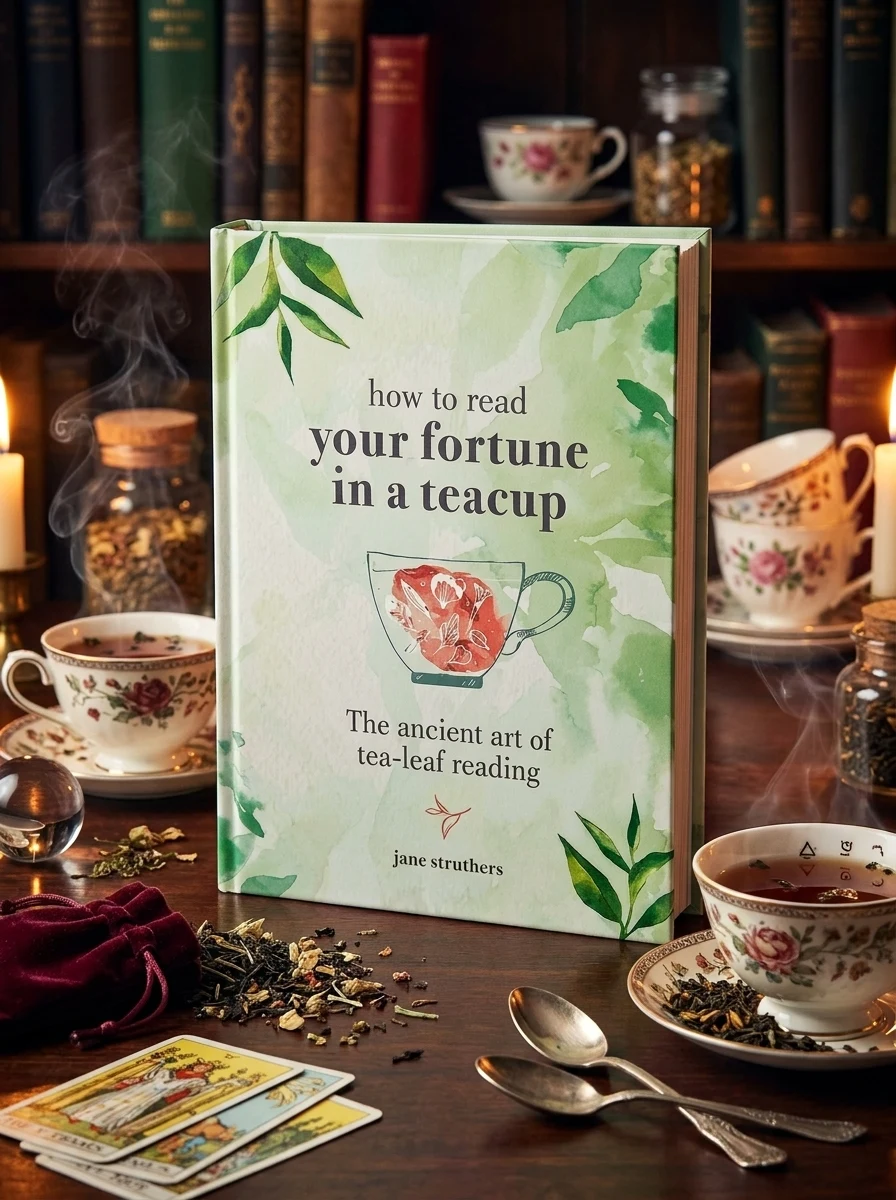
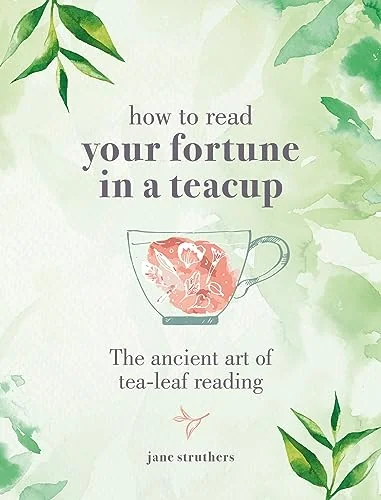
How to Read Your Fortune in a Teacup: The Ancient Art of Tea-Leaf Reading
✍️ Struthers, JaneJane Struthers guides aspiring seers through the mystical practice of tasseography, offering a comprehensive pathway to understanding the subtle messages hidden in tea leaves. This accessible volume demystifies the ancient art, providing clear, step-by-step instructions for preparing your brew, interpreting patterns, and conducting meaningful readings. With an extensive visual compendium of over 300 symbols, categorized for ease of reference, readers will learn to decipher insights concerning love, career, finances, health, and personal relationships, making this an indispensable resource for both novice and seasoned practitioners of cup-gazing.


📝 Description: How to Read Your Fortune in a Teacup: The Ancient Art of Tea-Leaf Reading
💎 Expert review
📖 Why choose it
Why this book is worth reading
This book is an ideal companion for those drawn to the gentle mysticism of tasseography. Jane Struthers provides a welcoming entry point into the art, making it perfect for novices who feel intimidated by complex occult texts. The extensive visual compendium of over 300 symbols offers immediate practical value, allowing readers to start interpreting patterns in love, career, and health right away. It is designed to demystify the process, offering clear steps for brewing and reading. Whether you are a seasoned cup-gazer seeking reference or a curious beginner, this accessible volume empowers you to uncover destiny's secrets without needing prior esoteric knowledge.
⭐ Reader reviews
Reader rating
Struthers delivers a highly practical manual that successfully bridges the gap between ancient ritual and modern accessibility. The structured approach to symbolism makes it an indispensable resource for daily practice. However, those seeking deep philosophical theory or historical academic rigor will likely find this volume lacking in depth. It is purely functional and instructional, not scholarly. Readers expecting complex metaphysical discourse may feel it is too simplistic. Yet, for its intended purpose of teaching tangible divination skills through clear imagery and step-by-step guidance, it excels. It is a tool for action, not contemplation, making it excellent for practitioners but perhaps dry for theorists.
❓ Frequently asked questions
📖 Who should read this
If you're drawn to the subtle magic of everyday rituals and yearn to tap into intuitive wisdom for personal guidance, this book is your perfect companion. It invites both the curious beginner and the experienced diviner to deepen their connection with this charming art.
🎯 Key themes and symbolism
Decoding the Cup
This book provides a detailed methodology for interpreting the myriad shapes and symbols found at the bottom of your teacup. It moves beyond simple recognition, teaching you how to discern the meaning of over 300 distinct patterns and how they relate to various aspects of your life, from romance to financial prospects.
Ancient Divination Made Accessible
Explore the historical roots and enduring power of tea leaf reading. Struthers expertly bridges the gap between historical practice and modern application, presenting this ancient form of scrying in a way that feels both reverent and entirely approachable for contemporary seekers of insight and wisdom.
Practical Guide to Tasseography
Far more than a theoretical overview, this volume offers actionable steps to begin your journey into tea leaf divination. From selecting the right tea and cup to preparing your mind for a reading, it equips you with all the practical knowledge and intuitive hints needed to perform insightful interpretations for yourself and others.
📜 Historical context
📚 Glossary
- Tasseography
- Symbolism
- Scrying
📔 Questions to reflect on
- Reflect on a recent significant event. Can you identify any tea leaf symbols that, in retrospect, might have foreshadowed it?
- How does trusting your intuition during a reading compare to other forms of decision-making in your life? What challenges or insights emerge?
- Choose a symbol from the book you feel drawn to. What personal meaning does it hold for you, beyond its traditional interpretation, and why?