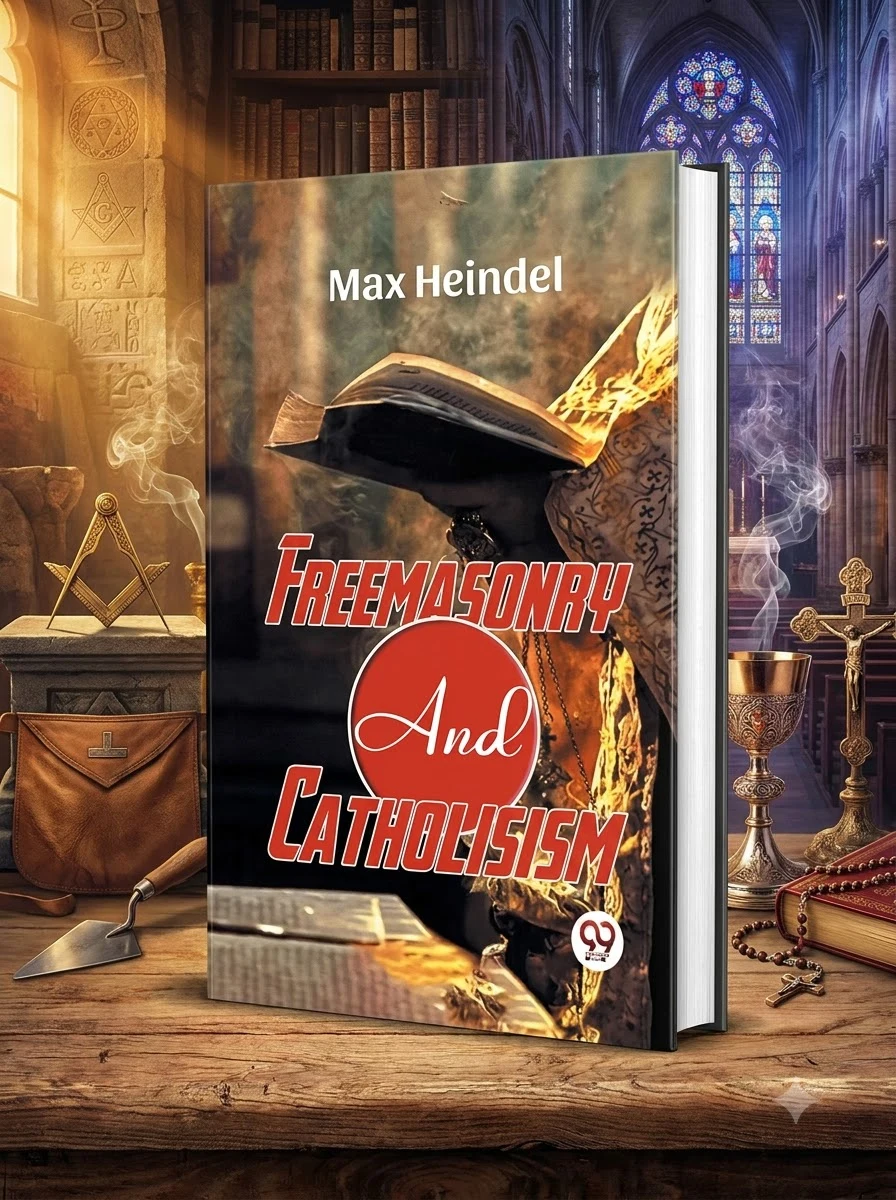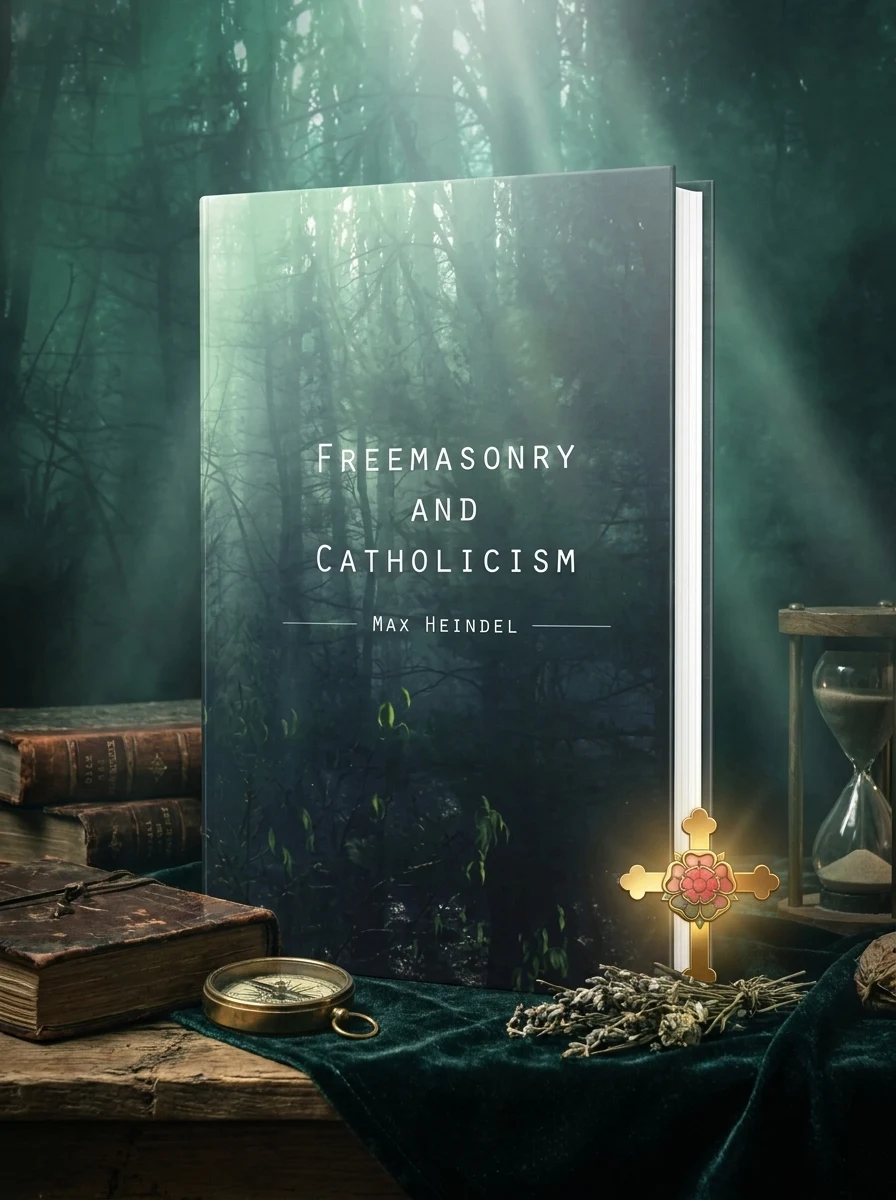
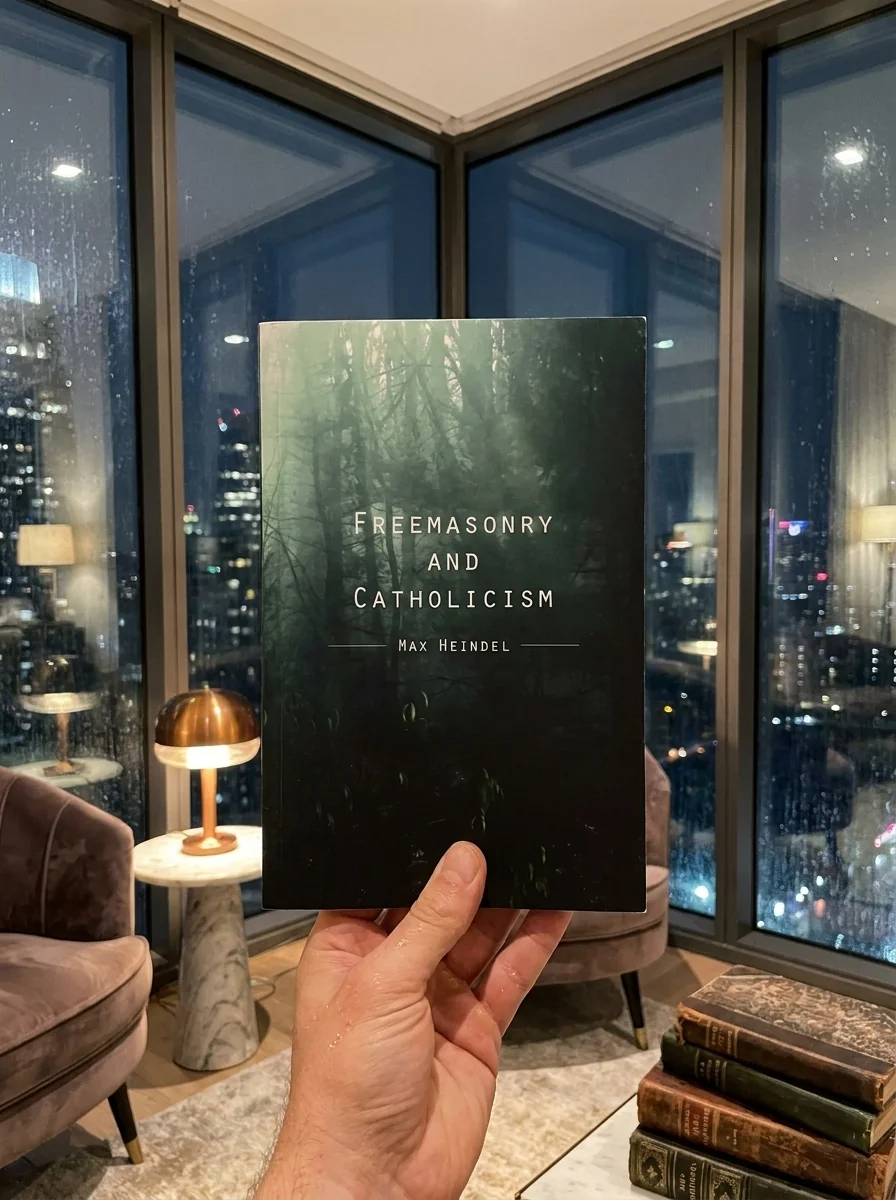
Freemasonry and Catholicism
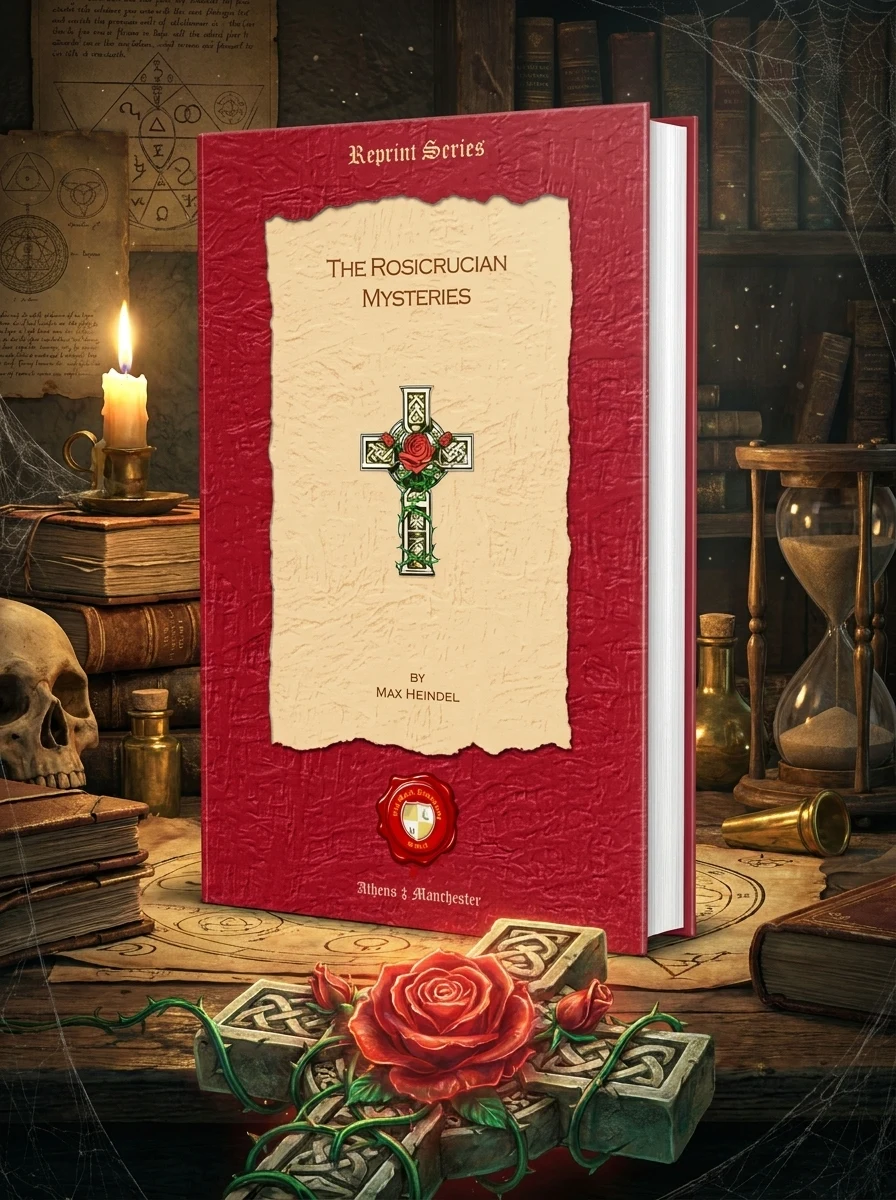
✍️ Heindel, MaxMax Heindel, a pivotal figure in Western esotericism, presents a unique synthesis grounded in Gnostic principles. Following personal hardships, Heindel recounts a profound spiritual encounter with an "Elder Brother" of the Rosicrucian Order, an experience that profoundly shaped his insights. This work explores how these mystical traditions, often seen as disparate, share deeper, concealed truths through an esoteric lens, offering a profound reinterpretation of spiritual history. Heindel's perspective bridges ancient wisdom with modern spiritual inquiry, making complex concepts accessible to the dedicated seeker.


📝 Description: Freemasonry and Catholicism
💎 Expert review
📖 Why choose it
Why this book is worth reading
Dedicated seekers interested in the hidden architecture of spiritual history will find this book a compelling bridge between two often-separate traditions. If you are intrigued by the idea that Freemasonry and Catholicism share deeper, concealed truths through an esoteric lens, Max Heindel offers a unique synthesis grounded in Gnostic principles. This work is particularly valuable for those who appreciate personal spiritual encounters as catalysts for profound insight. By drawing on his own experience with an Elder Brother of the Rosicrucian Order, Heindel makes complex mystical concepts accessible. It serves readers who wish to reinterpret spiritual history through a modern inquiry lens, providing a warm and inviting perspective on how ancient wisdom informs contemporary understanding.
⭐ Reader reviews
Reader rating
Heindel provides a fascinating, albeit niche, exploration of the esoteric threads linking major religious institutions. The narrative is compelling for its grounding in personal mystical experience, offering a fresh Gnostic perspective on established traditions. However, this book does not suit readers seeking strict historical documentation or those uncomfortable with Rosicrucian metaphysics. It may also disappoint those expecting a purely academic critique rather than a spiritual reinterpretation. Readers looking for straightforward theological analysis might find the synthesis too speculative. Nevertheless, for the open-minded occultist, it remains a significant contribution to understanding the hidden unity of Western esotericism.
❓ Frequently asked questions
📖 Who should read this
If you are a seeker intrigued by the esoteric underpinnings of major spiritual and fraternal organizations, or if you wish to explore the Rosicrucian perspective on comparative religion, this book offers a unique and thought-provoking journey into hidden knowledge and spiritual synthesis.
🎯 Key themes and symbolism
Western Gnosis & Mysticism
Heindel’s work deeply embeds itself in the Western esoteric current, emphasizing direct spiritual knowledge over dogma. It offers a Gnostic perspective on universal truths, revealing hidden layers of meaning within established spiritual and fraternal systems, connecting ancient wisdom to contemporary spiritual thought and practice.
Rosicrucian Revelation
Central to Heindel's teachings is his purported direct communication with a high initiate of the Rosicrucian Order. This foundational experience informs his unique interpretations of spiritual law and provides an authoritative (from his perspective) lens through which to view esoteric history and the unfolding of divine plan.
Comparative Esoteric Traditions
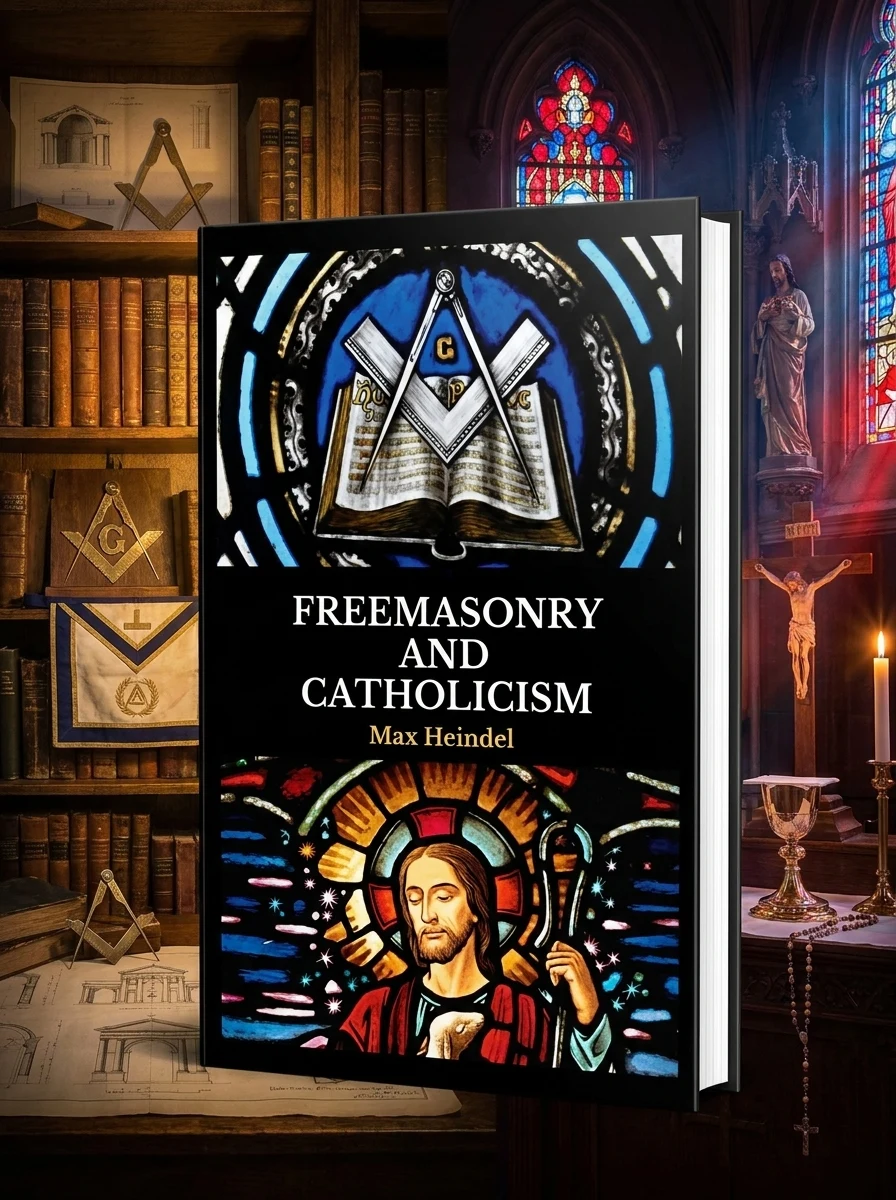
This volume delves into the symbolic and spiritual intersections between Freemasonry and Catholicism. Rather than focusing on superficial differences, Heindel uncovers shared esoteric roots and parallel allegories, suggesting a common ancient lineage for profound spiritual truths that transcend sectarian boundaries and exoteric understanding.
📜 Historical context
📚 Glossary
- Gnosis
- Rosicrucian Order
- Esotericism
📔 Questions to reflect on
- Reflect on a time you encountered hidden meaning or symbolism in an unexpected place. How did this alter your perception?
- Heindel's work suggests a shared esoteric core across traditions. What spiritual or philosophical concepts do you find universal across different belief systems?
- Consider the role of direct spiritual experience versus adherence to dogma in your own understanding of truth. Where do you find your balance?