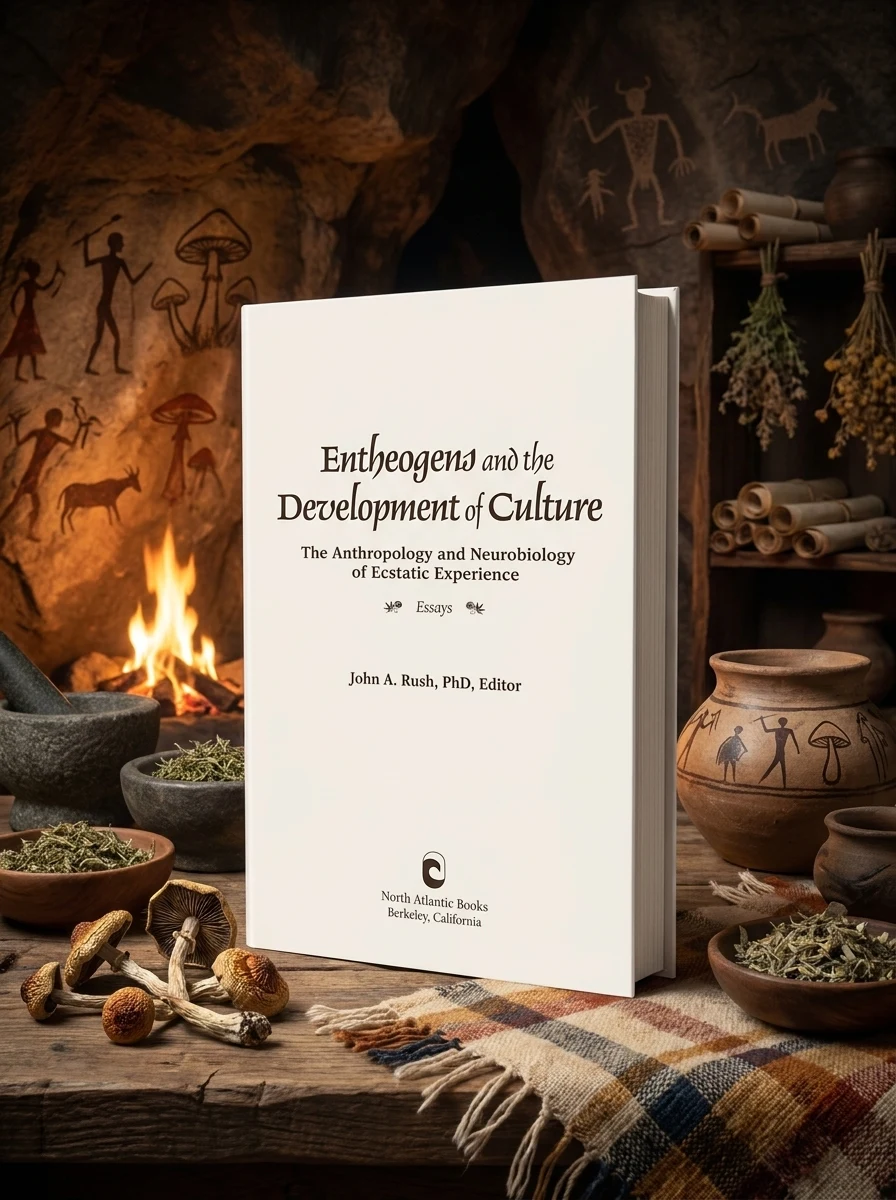
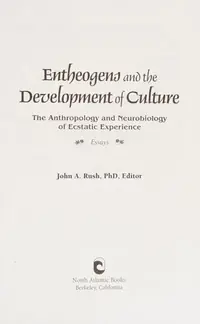
Entheogens and the Development of Culture: The Anthropology and Neurobiology of Ecstatic Experience
Rush, John

This edition can be ordered. No arrival date is confirmed.
Discover how ancient fungi shaped human cognition and culture.
This volume argues that psychoactive plants were not merely recreational but fundamental to neural evolution. Contributors explore how early humans selected for enhanced dopamine and serotonin receptors through entheogenic use, trading stability for creative leaps. The text bridges anthropology and neurobiology, suggesting our ancestors intentionally modified their brains to survive, laying the groundwork for primitive medicine, spiritual rituals, and the very architecture of modern consciousness and decision-making processes.
This work sits at the intersection of esoteric anthropology and neurobiological theory, challenging conventional historical narratives by positing that psychoactive substances were instrumental in human cognitive evolution. It belongs to a niche tradition of scholarship that reinterprets ancient spiritual practices through the lens of modern brain science.


📝 Description: Entheogens and the Development of Culture: The Anthropology and Neurobiology of Ecstatic Experience
💎 Expert review
📖 Why choose it
Why this book is worth reading
This book offers a profound and intellectually stimulating perspective for readers interested in the origins of human consciousness and spiritual practice. It appeals to those who seek scientific validation for ancient mystical experiences, bridging the gap between empirical neurobiology and esoteric philosophy. Readers will gain a deeper appreciation for how early humans intentionally altered their neural architecture through entheogenic use, trading stability for creative leaps that shaped modern decision-making and culture. It is ideal for scholars, spiritual seekers, and curious minds who want to understand the biological roots of ecstasy and the fundamental role fungi played in our cognitive development. This volume provides a robust framework for viewing ancient rituals not as mere recreation, but as essential tools for survival and spiritual evolution.
⭐ Reader reviews
Reader rating
I've read excerpts online before, but having the full text is different. Every rereading turns up something I missed. I'd have loved an index, but that's on the original text. Good, with the caveats above.
Rush presents a bold thesis that psychoactive plants were foundational to neural evolution, arguing that ancestors modified their brains to survive by enhancing dopamine and serotonin receptors. The text successfully bridges anthropology and neurobiology, offering a compelling explanation for the rise of primitive medicine and spiritual rituals. However, this work does not suit readers seeking light entertainment or those who prefer traditional historical accounts devoid of speculative biological theory. It may also alienate skeptics uncomfortable with the idea that our ancestors intentionally altered their consciousness to shape modern cognitive architecture. The dense integration of scientific concepts requires focus, making it less accessible for casual readers looking for simple narratives about ancient customs.
❓ Frequently asked questions
📖 Who should read this
Scholars of cognitive anthropology, neurotheology enthusiasts, and anyone fascinated by the biological roots of spirituality and the evolutionary purpose of visionary substances.
🎯 Key themes and symbolism
Neurobiological Evolution
Anthropology of Religion
Entheogenic Medicine
💬 Quotes from the book
“Our ancestors selected for our neural hardware through the intentional use of visionary plants.”
“The trade-off for lowered functioning has been a leap in creative thinking.”
📜 Historical context
📚 Glossary
- Entheogen
- Neural Hardware
- Paleolithic Revolution
📔 Questions to reflect on
- How might your own creative processes be linked to altered states of awareness?
- In what ways do you see modern society repressing the natural human desire for ecstatic experience?
- Reflect on a moment where intuition or 'magic' guided your decision-making over logic.
✍️ More books by this author Rush, John
All books by this author →![The Twelve Gates: A Spiritual Passage Through the Egyptian Books of the Dead [With Tarot Cards]](/img/the-twelve-gates-a-spiritual-passage-through-the-egyptian-books-of-the-dead-with-tarot-cards.webp)
🏛 Books from this publisher North Atlantic Books
All books from this publisher →
You might also like
See more →