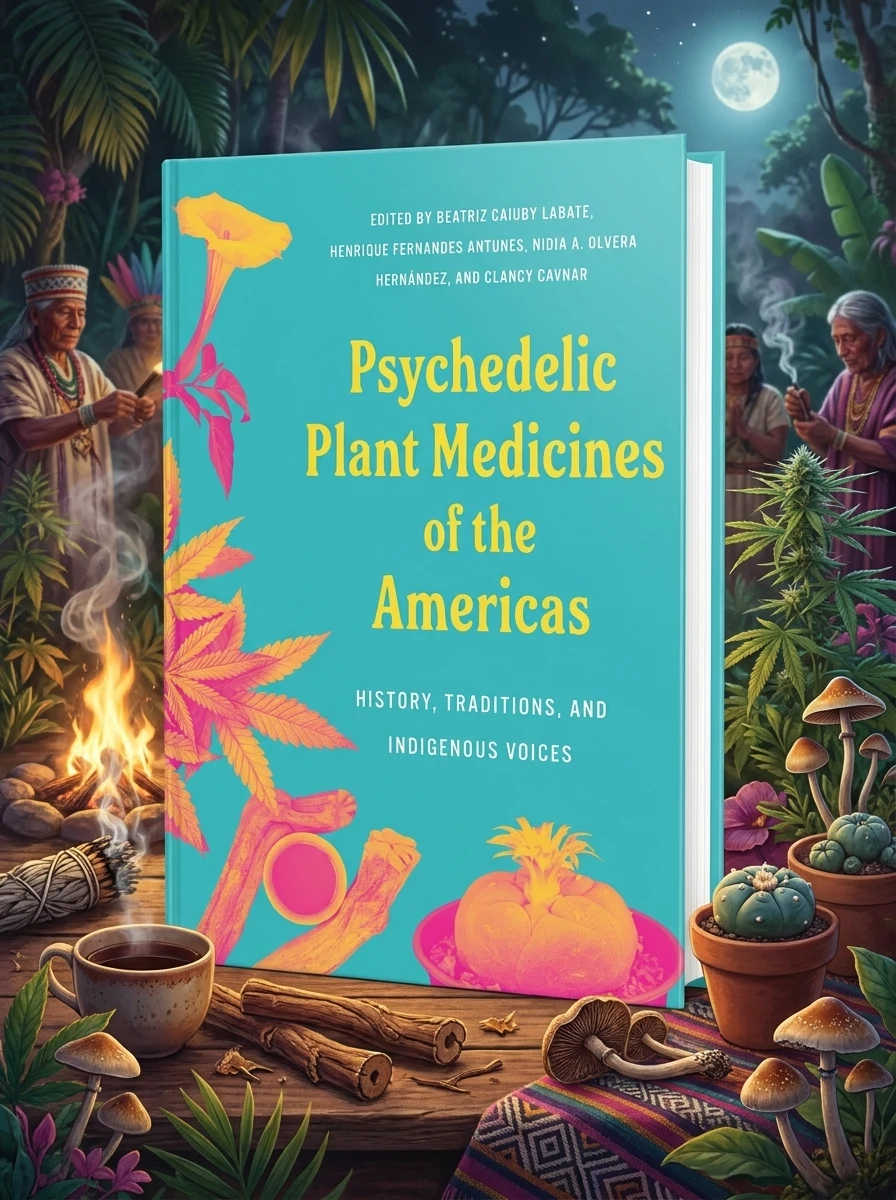
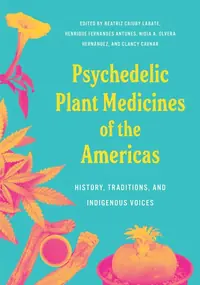
Psychedelic Plant Medicines of the Americas: History, Traditions, and Indigenous Voices


Stock reported in the catalog; fulfillment is confirmed with your request.
Unearth the profound wisdom of America's sacred plant allies, from ancient rituals to modern revelations.
This essential anthology delves into the rich tapestry of psychedelic plant medicines from the Americas, offering a multidisciplinary exploration of their historical, spiritual, and therapeutic dimensions. Curated by Dr. Beatriz Caiuby Labate, it brings together diverse scholarly articles alongside crucial Indigenous voices, providing an unparalleled, up-to-date perspective. From the colonial journey of marijuana in Mexico to the enduring spiritual significance of psilocybin, ayahuasca, and peyote, the collection thoughtfully examines these substances, including coca and tobacco, transcending simplistic narratives to reveal their complex cultural roles and healing potentials.
This work sits at the intersection of contemporary ethnobotanical scholarship and Indigenous advocacy, bridging historical occult traditions with modern therapeutic explorations of sacred plant medicines in the Americas. It reflects a shift toward decolonial perspectives within esoteric and spiritual studies.


📝 Description: Psychedelic Plant Medicines of the Americas: History, Traditions, and Indigenous Voices
💎 Expert review
📖 Why choose it
Why this book is worth reading
Readers deeply invested in the spiritual and therapeutic dimensions of plant medicines will find this anthology indispensable for its rigorous yet accessible multidisciplinary approach. It is particularly valuable for those seeking to understand the complex cultural roles of substances like ayahuasca, peyote, and psilocybin beyond simplistic narratives. By centering Indigenous voices alongside scholarly analysis, it offers a nuanced view of healing potentials and historical contexts, making it essential for serious students of esoteric traditions who desire depth, accuracy, and respect for the sacred origins of these practices.
⭐ Reader reviews
Reader rating
This collection excels in providing a comprehensive, up-to-date perspective on the history and traditions of psychedelic plant medicines. However, it is not suited for casual readers seeking quick recipes or superficial spiritual anecdotes, as its academic rigor and multidisciplinary nature demand serious engagement. Those looking for purely mystical experiences without historical or ethical context may find the scholarly tone dry. It is best reserved for researchers, practitioners, and enthusiasts who appreciate critical analysis and wish to move beyond romanticized views of plant allies to understand their true, complex cultural significance.
❓ Frequently asked questions
📖 Who should read this
If you seek a profound, ethically-grounded understanding of psychedelic plant medicines, moving beyond mainstream narratives, this book is for you. It's ideal for scholars, practitioners, and curious minds interested in Indigenous wisdom, ethnobotany, and the spiritual dimensions of healing.
🎯 Key themes and symbolism
Indigenous Knowledge Integration
The work prioritizes and respectfully integrates the perspectives of Indigenous communities, highlighting their ancestral relationship with these plant medicines. It moves beyond a purely Western scientific lens, ensuring that the spiritual and cultural contexts are understood through the voices of those who have stewarded this knowledge for generations, fostering a more holistic appreciation.
Diverse Plant Consciousness
This volume offers a comprehensive survey of numerous psychoactive plants central to American traditions. Beyond the well-known ayahuasca and psilocybin, it delves into the nuanced histories and uses of marijuana, peyote, coca, and even tobacco, revealing their varied applications in ritual, medicine, and social life across different cultures and eras.
Colonialism and Sacred Plants
The book critically examines the often-turbulent historical journey of these plant medicines, particularly through the lens of colonialism. It sheds light on how historical events, policies, and cultural encounters have shaped their perception, use, and availability, reminding readers that these substances are deeply intertwined with complex geopolitical and social narratives.
💬 Quotes from the book
“The narrative of cannabis in Mexico is not merely botanical, but an intricate tapestry woven with threads of colonial imposition, resistance, and evolving cultural identity, demanding a deeper, decolonized understanding.”
“To truly comprehend the spirit of ayahuasca, one must first listen intently to the ancestral voices who have journeyed with it for millennia, their wisdom echoing through ceremony and song.”
📜 Historical context
📚 Glossary
- Entheogen
- Indigenous Knowledge
- Ethnobotany
📔 Questions to reflect on
- Reflect on a plant or natural element you feel a deep connection to. How might a deeper, more traditional understanding of its history and cultural uses enrich your perspective?
- Considering the increasing mainstream acceptance of psychedelics, what ethical responsibilities do we have to the Indigenous cultures that have preserved this knowledge for centuries?
- How do you think the colonial history of certain plant medicines has shaped their current perception and legal status in your own society?
🏛 Books from this publisher North Atlantic Books
All books from this publisher →




You might also like
See more →