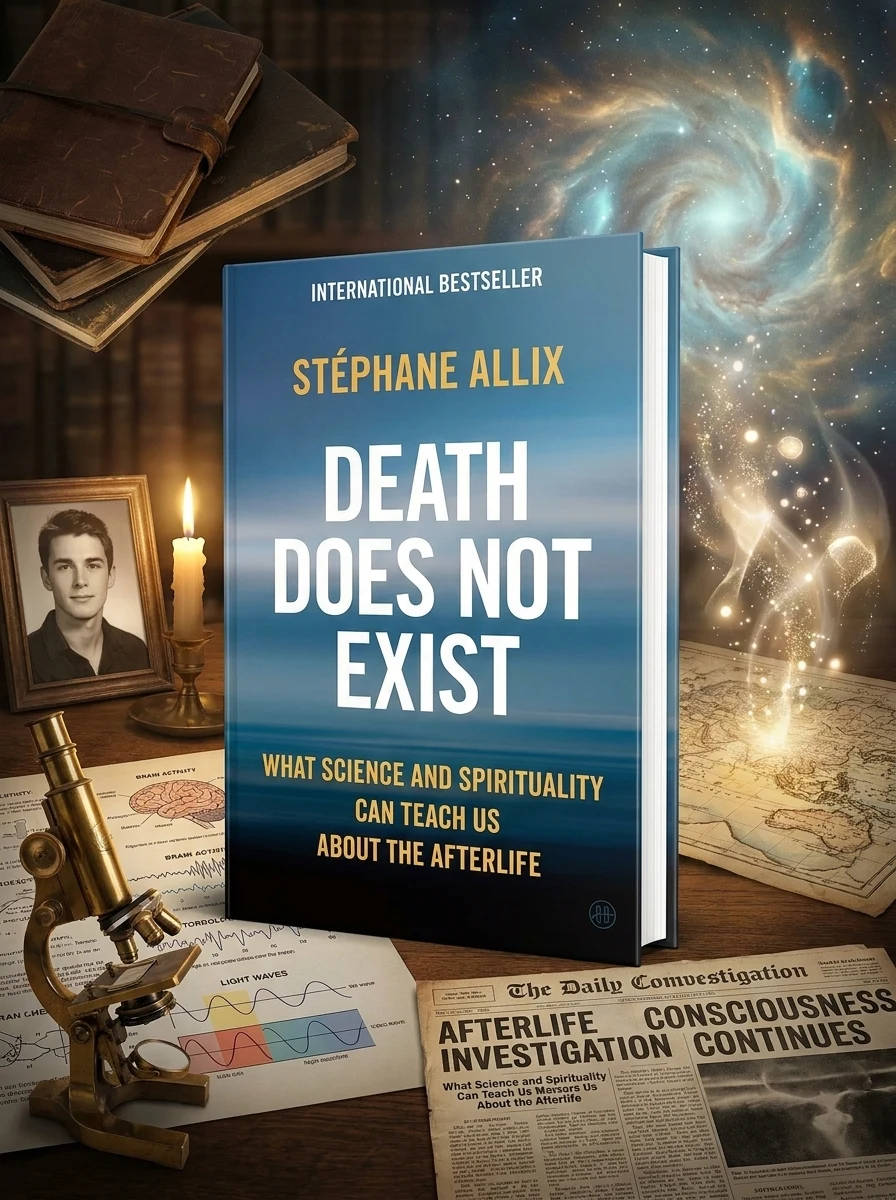
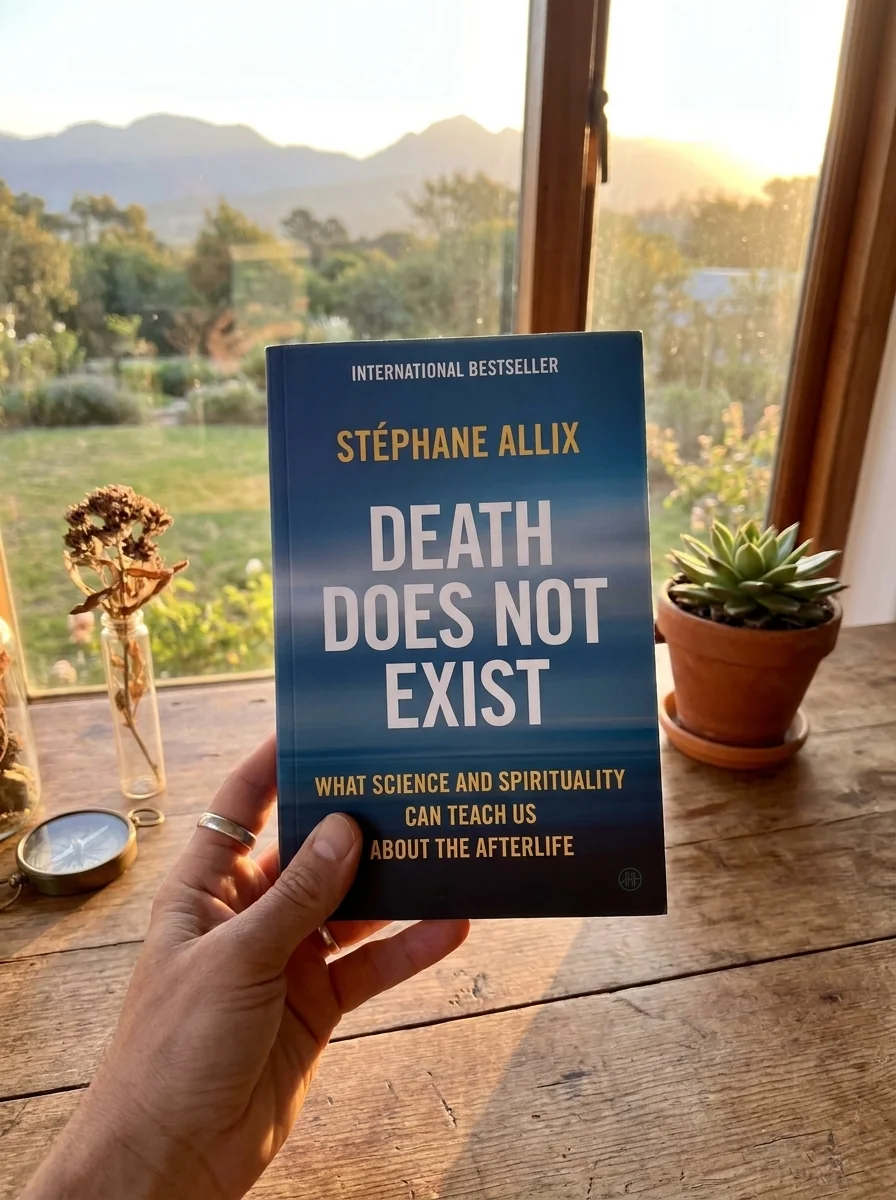
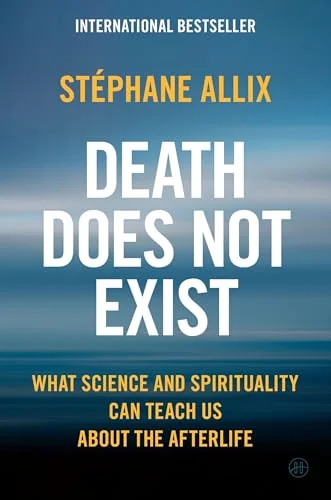
Death Does Not Exist: What Science and Spirituality Can Teach Us about the Afterlife
✍️ Allix, StéphanePrompted by personal loss, journalist Stéphane Allix investigates whether human consciousness survives physical death. He consults scientific investigators, cardiologists, and neurosurgeons while analyzing near-death experiences, terminal lucidity, and extra-sensory perception. The account balances scientific inquiry with personal experimentation, documenting high-dose LSD sessions, deep meditation, and Amazonian ayahuasca ceremonies. Written to explain death to his teenage daughter, the narrative evaluates how hospice insights and parapsychology challenge materialist models of the human brain.


Praise for this book
“This remarkable treatise was driven by the author's sense of partial responsibility for the loss of his beloved brother in a tragic road accident, and the subsequent loss of the author's father. Many have pursued the same path of discovery triggered by such personal losses, but Stéphane's journey is especially illuminated by his diligence in examining deeply into near-death experiences through some of the world's…”
“Stéphane Allix is an investigating journalist and writer whose work I know for many years. His amazing Death Does Not Exist presents fifteen years of rigorous, impressive, and sincere investigative work on life after death, together with a moving spiritual exploration and sensitive and poetic writing.”
“A compelling case for finding inspiration in the mystery, and trusting intuition to guide you toward peace and connection.”
📝 Description: Death Does Not Exist: What Science and Spirituality Can Teach Us about the Afterlife
💎 Expert review
📖 Why choose it
Why this book is worth reading
Readers grappling with the anxiety of mortality or those who have experienced profound personal loss will find deep comfort in this heartfelt exploration. Stéphane Allix writes not just as an investigator, but as a grieving father, making the content accessible and emotionally resonant rather than coldly academic. Those interested in the dialogue between hard science and soft spirituality will appreciate how he weaves together near-death experiences and extrasensory perception into a coherent narrative. It offers hope and a radical rethinking of what it means to survive death, providing a comforting yet intellectually stimulating perspective for anyone seeking evidence that consciousness transcends the physical body.
⭐ Reader reviews
Reader rating
Allix successfully bridges the gap between journalistic rigor and spiritual longing, presenting a compelling case for the persistence of consciousness through diverse phenomena like shamanic journeys. However, readers with strictly materialist scientific backgrounds may find the synthesis of anecdotal evidence and metaphysical claims unconvincing or overly sentimental. It is not suitable for those seeking dry, peer-reviewed academic discourse devoid of personal narrative. The book’s strength lies in its emotional honesty, but its weakness for skeptics is the reliance on subjective interpretation of unexplained phenomena rather than definitive proof. It is best enjoyed by open-minded seekers rather than hardened rationalists.
❓ Frequently asked questions
📖 Who should read this
If you're grappling with questions about mortality, seeking solace after loss, or simply curious about the frontiers where science meets spirituality, this book offers a profound journey. It's for those ready to reconsider death as a gateway, not a finality.
🎯 Key themes and symbolism
Enduring Consciousness Post-Mortem
Allix meticulously investigates whether our individual awareness can persist beyond physical demise. He presents a compelling case, drawing from both scientific inquiry and experiential accounts, to argue for the spiritual continuity of consciousness, suggesting that death is not an absolute end but a transformation.
Processing Loss and Reality
Born from personal tragedy, the book serves as a poignant attempt to comprehend the profound impact of death on those left behind. Allix frames his exploration as a letter to his daughter, offering a unique perspective on how one might reconcile grief with an expanded understanding of existence.
Bridging Science and Spirit
The author skillfully integrates rigorous scientific findings with accounts of extraordinary phenomena, including NDEs and psychic experiences. This synthesis challenges conventional materialist views, proposing a framework where empirical investigation and spiritual insight converge to illuminate the mysteries surrounding life and death.
📜 Historical context
📚 Glossary
- Near-Death Experience (NDE)
- Extrasensory Perception (ESP)
- Consciousness
📔 Questions to reflect on
- How might your perception of grief and loss change if you fundamentally believed consciousness persisted beyond death?
- What personal experiences or observations have led you to question the conventional understanding of mortality?
- In what ways do you see science and spirituality converging to offer new insights into the nature of reality and the human soul?