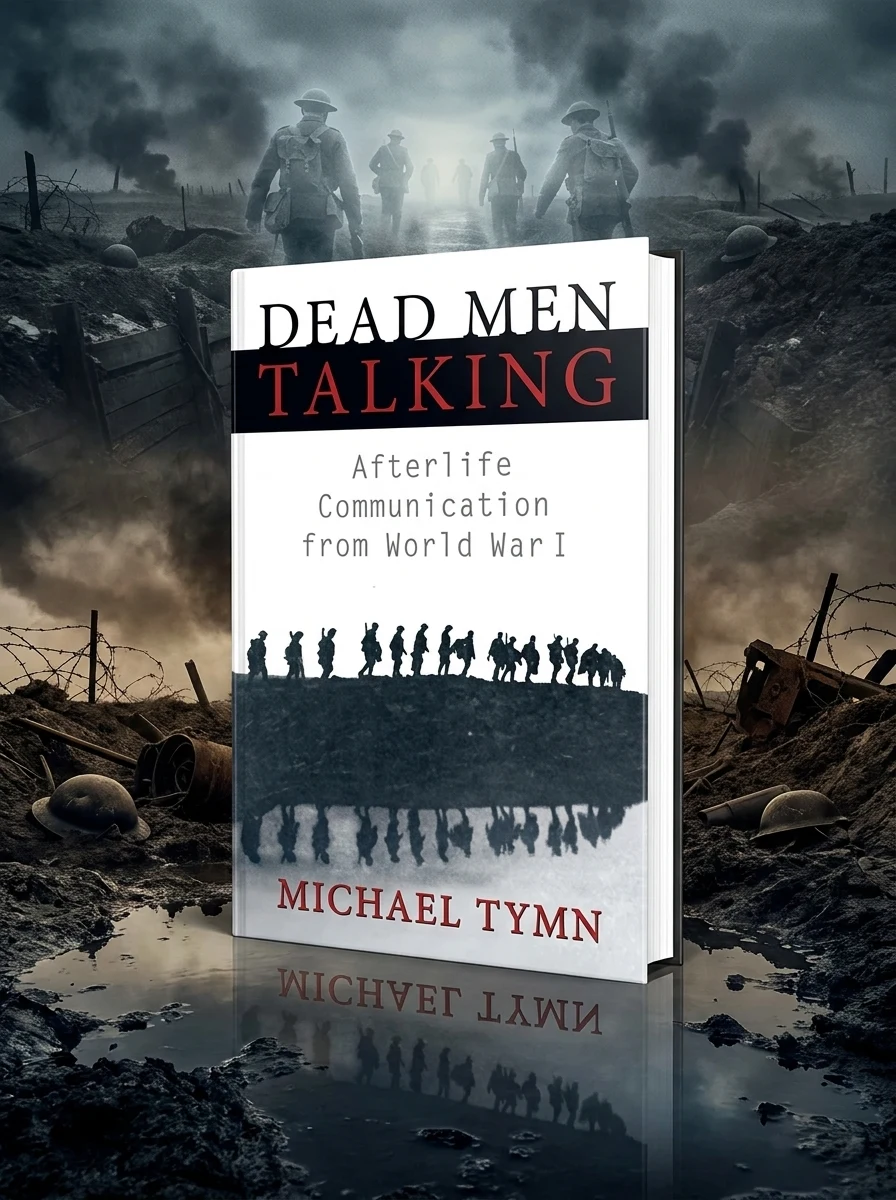
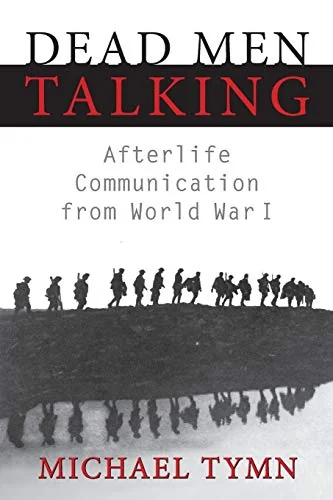
Dead Men Talking: Afterlife Communication from World War I
✍️ Tymn, MichaelA historical look at spiritualism during World War I grief
Michael Tymn examines the surge in spiritualism that followed the devastation of the First World War. As traditional religion struggled to provide comfort during the massive loss of life, many turned to mediums and séances to contact their deceased loved ones. This book documents how families across warring nations sought answers through post-mortem communication, viewing it as a response to the spiritual vacuum left by failing institutions. The text explores the historical context where scientific progress did not necessarily displace mystical practices but rather coexisted with them in times of extreme grief. Tymn draws on historical records and personal accounts to illustrate how the spirit world was perceived as intervening during this period of global trauma. Readers interested in the intersection of military history and paranormal studies will find value in this specific focus on early twentieth-century bereavement practices. Those seeking scientific debunking or purely theological discussions may find the subject matter less relevant to their interests. The narrative remains grounded in the specific events and cultural shifts of the World War I era, offering a clear view into how people processed death through occult means when conventional methods fell short.
Published in 2014 by White Crow Books, this paperback addresses the intersection of World War I history and spiritualist practices. It examines how the massive death toll of that specific conflict influenced public interest in contacting the dead.


📝 Description: Dead Men Talking: Afterlife Communication from World War I
💎 Expert review
📖 Why choose it
Why this book is worth reading
Readers who have grappled with personal loss or possess a deep interest in the historical intersection of grief and metaphysics will find profound value in this exploration. Tymn offers a poignant window into how humanity responded to overwhelming tragedy by reaching across the veil for connection. It is not merely a collection of anecdotes but a study of the human spirit's enduring quest for meaning when faced with staggering mortality. Those who appreciate the emotional weight behind the surge of spiritualism as a direct cultural response to WWI will gain insight into the desperate, yet hopeful, attempts to bridge the gap between the living and the dead, providing comfort through shared historical experience.
⭐ Reader reviews
Reader rating
Tymn provides a compelling narrative of how spiritualism surged as a direct response to the era's grief, documenting reported instances of communication from battlefields. However, this book is strictly for those open to metaphysical interpretations of history; it will firmly repel staunch scientific rationalists or skeptics who dismiss any form of afterlife contact as delusion. It also may not suit readers seeking dry, academic historiography, as the tone leans heavily into the emotional and spiritual dimensions of the phenomenon rather than purely sociological analysis. The focus remains on the human desire for connection amidst carnage.
❓ Frequently asked questions
📖 Who should read this
If you are fascinated by the intersection of history and the paranormal, or seek to understand spiritualism's role in collective trauma, this book offers profound insights. It's for anyone pondering consciousness beyond death, and how a grieving generation sought solace from the unseen.
🎯 Key themes and symbolism
Spiritualism's Wartime Resurgence
This volume meticulously chronicles the dramatic rise of spiritualist practices and beliefs during and after the Great War. It examines how mediums, seances, and direct voice phenomena became pivotal outlets for a grieving populace, desperate for reassurance that their loved ones persisted beyond the grave, offering a unique historical lens on an enduring esoteric tradition.
WWI's Spiritual Aftermath
The book dissects the profound societal and spiritual shockwaves unleashed by World War I, where industrial-scale death shattered conventional understandings of life and faith. It explores how this unprecedented global conflict served as a catalyst for new spiritual explorations, challenging the prevailing scientific rationalism and prompting a desperate search for meaning in widespread devastation.
Coping with Mass Bereavement
Exploring the profound psychological and emotional landscape of a world in mourning, this work illustrates how individuals and communities grappled with immense loss. It highlights spiritualism as a deeply human coping mechanism, providing a framework for grief processing and the enduring hope of continued connection with the departed.
📜 Historical context
📚 Glossary
- Spiritualism
- Medium
- Afterlife Communication
📔 Questions to reflect on
- How might a societal crisis of such immense scale, like World War I, personally challenge or redefine your own spiritual beliefs and sense of hope?
- Reflect on humanity's enduring quest for connection with the departed. What do you believe drives this universal longing, and what forms might it take today?
- If faced with the opportunity, would you attempt to communicate with a loved one who has passed? What ethical or emotional considerations would you weigh?
📖 Read on the blog
✍️ More books by this author Tymn, Michael
All books by this author →


🏛 Books from this publisher White Crow Books
All books from this publisher →

You might also like
See more →

Have a question about this item?
Ask about the edition, condition, delivery or anything else — we reply by email or phone, usually within a day.
