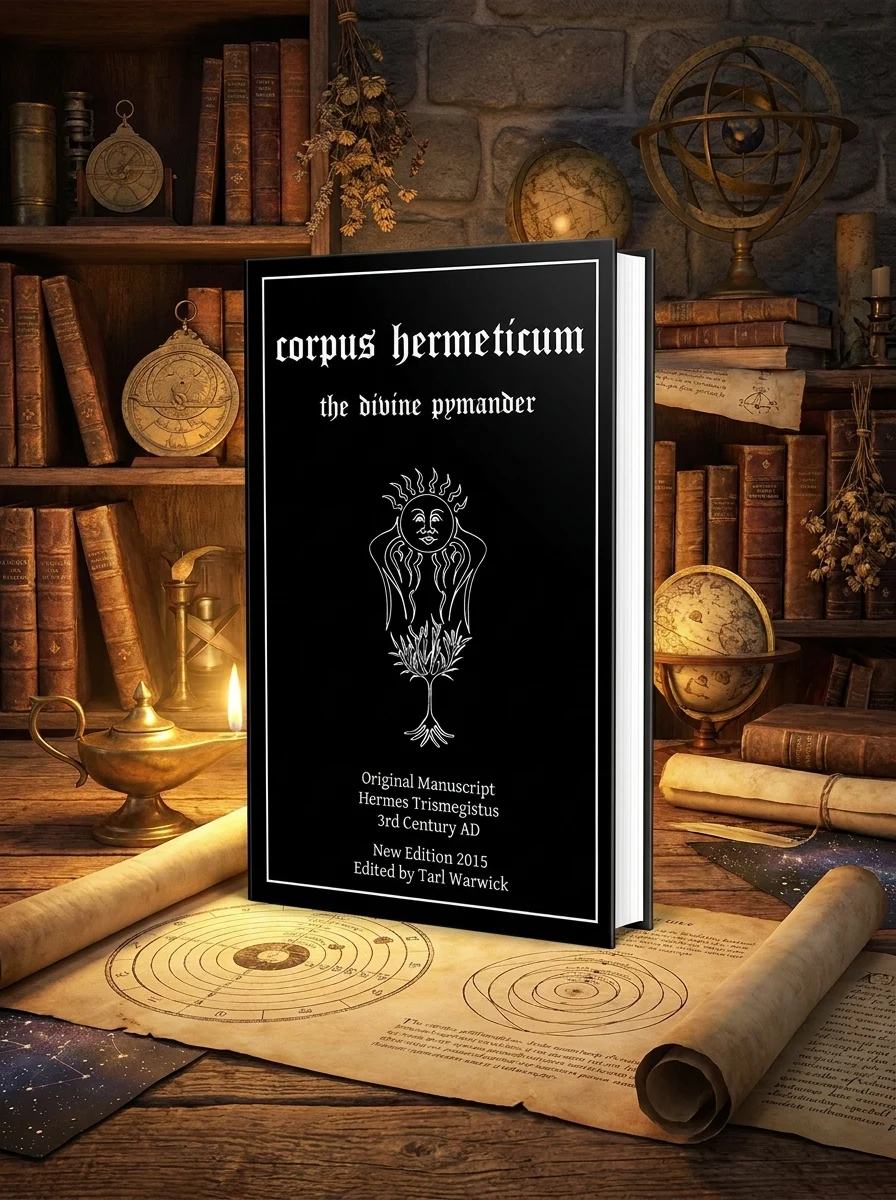
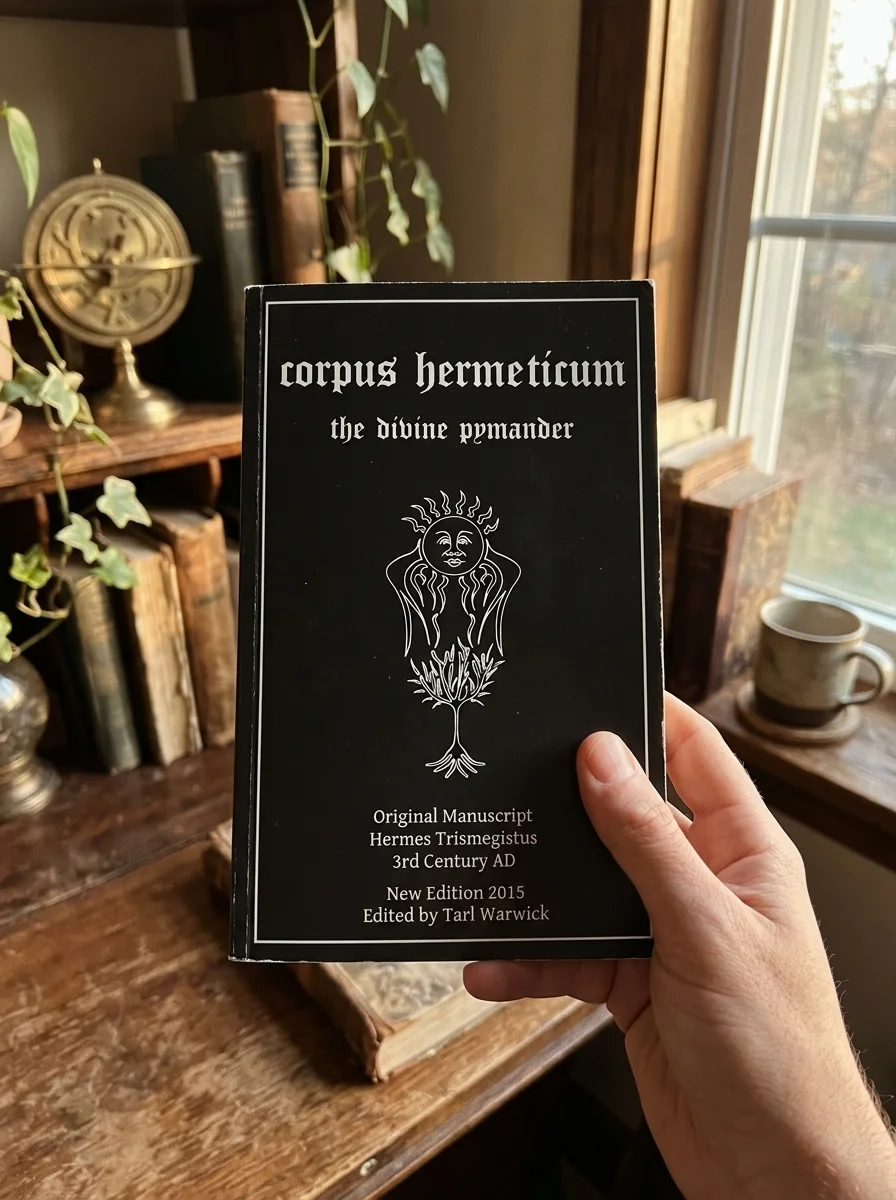
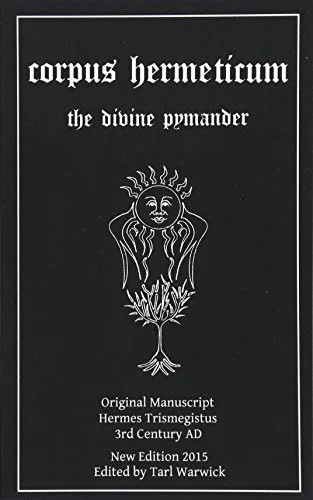
Corpus Hermeticum: The Divine Pymander
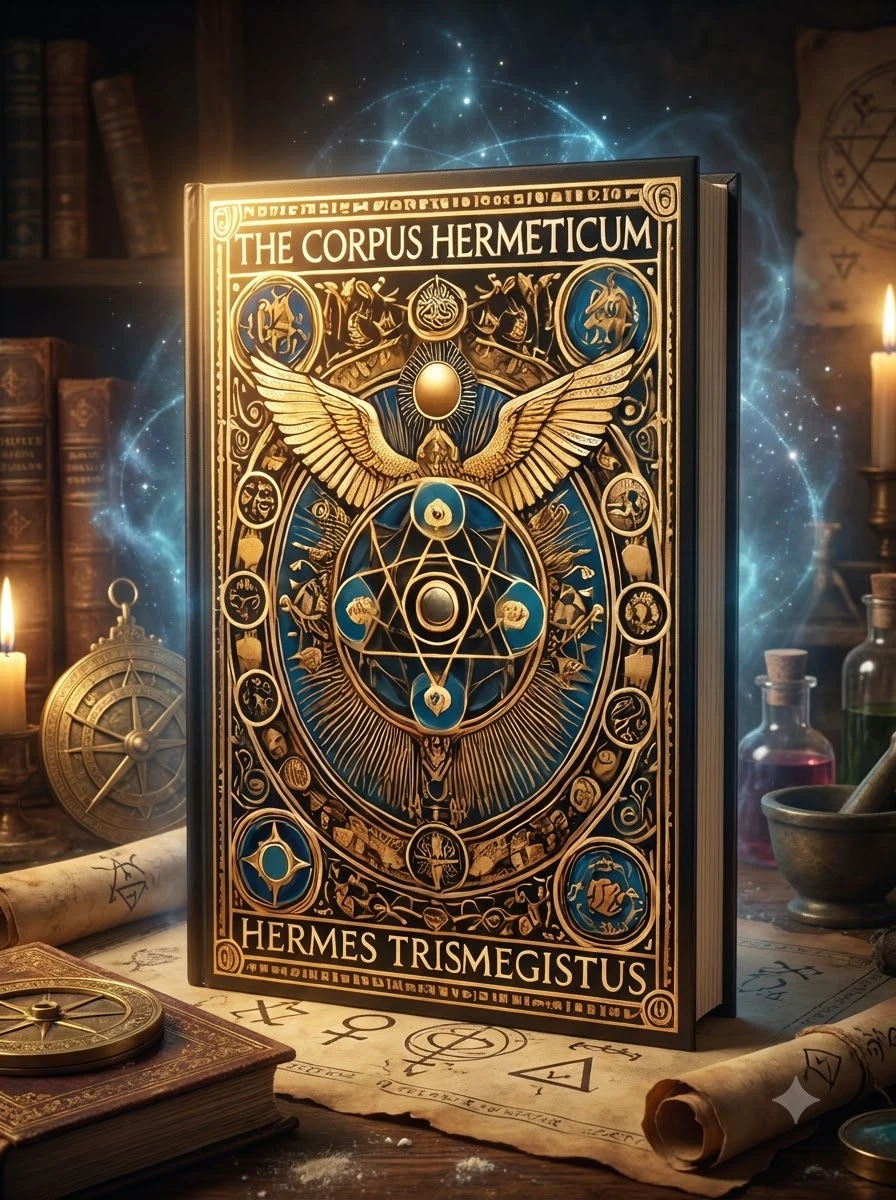
✍️ Trismegistus, HermesDelve into the "Divine Pymander," a central text within the larger *Corpus Hermeticum*, a collection that, though popularized in the Renaissance, draws from profound philosophical materials dating back to the 3rd and 4th centuries AD. Attributed to the mythic Hermes Trismegistus, this work is presented as a series of illuminating dialogues, reminiscent of classical Greek philosophy. It expertly navigates themes of astronomy, natural science, and theology, all unified by the foundational Hermetic maxim: "as above, so below." The text offers deep insights into the very nature of existence, life's purpose, and the interplay of good and evil.


📝 Description: Corpus Hermeticum: The Divine Pymander
💎 Expert review
📖 Why choose it
Why this book is worth reading
Readers seeking to uncover ancient cosmic secrets and understand their divine place within the universe will find this volume deeply rewarding. It offers a unique entry point into the *Corpus Hermeticum*, presenting illuminating dialogues that navigate complex themes of astronomy, natural science, and theology. Those interested in the foundational maxim 'as above, so below' will appreciate how the text unifies these disparate fields to explore the nature of existence and life's purpose. It is ideal for seekers who want to grasp the interplay of good and evil through a lens of profound philosophical inquiry, providing insights into the very structure of reality as understood in classical antiquity.
⭐ Reader reviews
Reader rating
This edition presents the 'Divine Pymander' with clarity, though its dense philosophical nature may alienate casual readers. It is not suited for those seeking straightforward narrative plots or modern scientific explanations, as it relies on mythic attribution and ancient theological frameworks. The text demands patience from anyone expecting simple dogma, instead offering layered dialogues reminiscent of classical Greek philosophy. While valuable for understanding the roots of Western esotericism and Renaissance thought, it may frustrate readers looking for immediate practical advice or accessible language. It is best approached as a serious study of antiquity rather than light reading.
❓ Frequently asked questions
📖 Who should read this
If you're drawn to ancient wisdom, seeking a deeper understanding of the universe's hidden mechanisms and humanity's spiritual journey, this foundational Hermetic text is essential. It's for anyone curious about the origins of Western esotericism and profound cosmic philosophy.
🎯 Key themes and symbolism
As Above, So Below
This cornerstone Hermetic principle is meticulously explored, revealing the profound interconnectedness between the macrocosm of the cosmos and the microcosm of human experience. The text guides the reader to perceive how universal laws and divine patterns are mirrored in individual consciousness and the material world.
Cosmic Creation & Order
The *Pymander* offers a unique spiritual cosmology, detailing the process and ideation behind the universe's genesis. It delves into the divine mind's role in bringing forth reality, from the celestial spheres to the elements, providing a profound understanding of creation's inherent order and design.
Humanity's Spiritual Purpose
Through its insightful dialogues, the work profoundly addresses the purpose of human life within the grand cosmic scheme. It examines the nature of good and evil, offering philosophical guidance for navigating earthly existence and ascending towards spiritual enlightenment and divine understanding.
📜 Historical context
📚 Glossary
- Hermetic Tradition
- Hermes Trismegistus
- As Above, So Below
📔 Questions to reflect on
- How does the Hermetic principle of 'as above, so below' influence your perception of everyday events or personal challenges?
- Reflect on the *Pymander*'s account of cosmic creation. What parallels or divergences do you find with other creation myths or scientific theories you know?
- In what ways do the discussions of good and evil within the *Corpus Hermeticum* challenge or affirm your own ethical framework and spiritual understanding?