Bushido: Legacies of Japanese Tattoos
Kitamura, TakahiroThis edition can be ordered. No arrival date is confirmed.
Explore the samurai soul etched into skin through Horiyoshi III's legendary ink and ancient Bushido code.
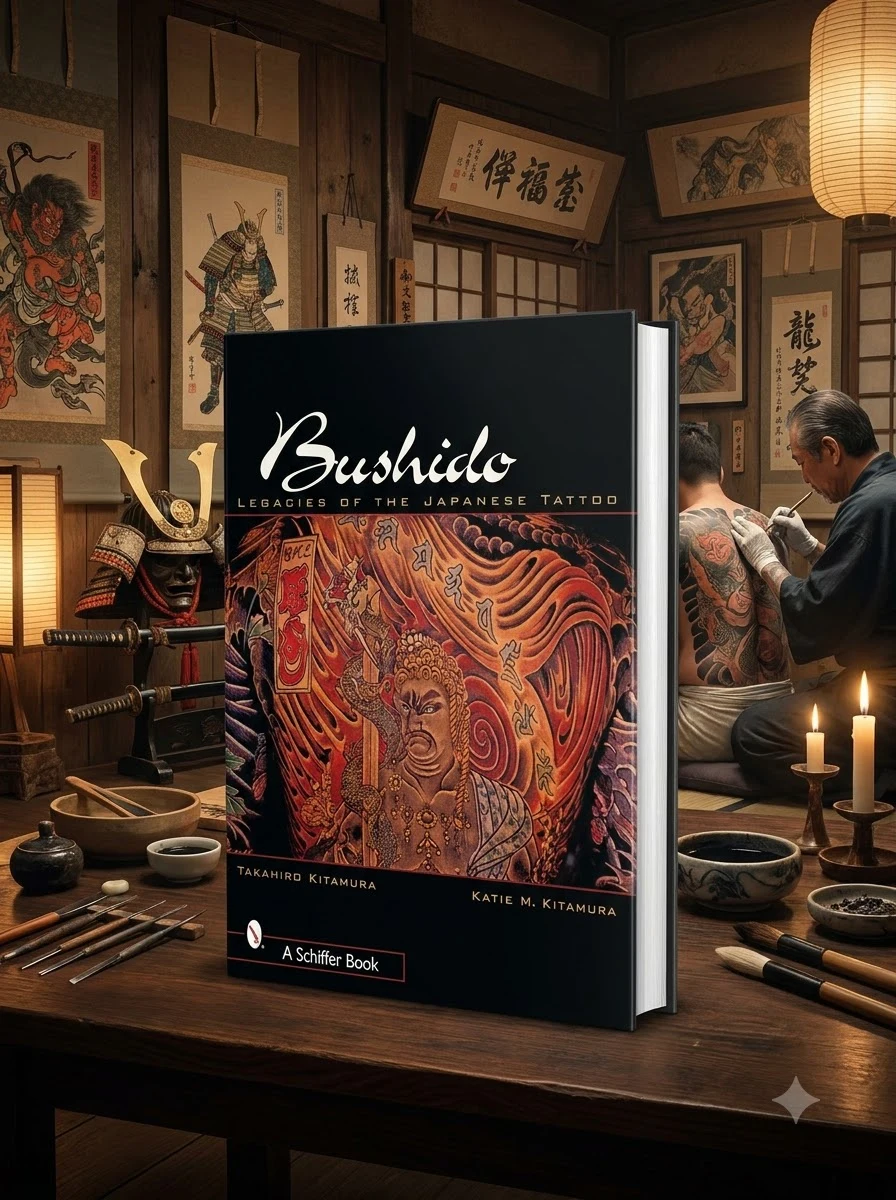
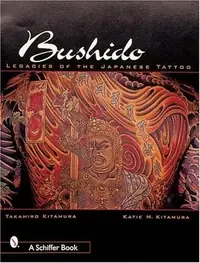
This volume offers a rare, intimate look into the secretive world of irezumi, blending high art with martial philosophy. Drawing from Takahiro Kitamura’s personal journey as both apprentice and client of the renowned Horiyoshi III, the text illuminates how the Bushido code permeates tattoo culture. It is not merely an art book but a cultural study, revealing the interpersonal dynamics and spiritual weight behind the brush. With over two hundred photographs by Jai Tanju and five exclusive prints from the master himself, it captures the breathtaking beauty and disciplined rigor of traditional Japanese tattooing.
This volume sits at the intersection of traditional Japanese irezumi art history and samurai martial philosophy, offering a scholarly yet personal perspective on the spiritual weight behind the brush. It serves as a cultural study that bridges the gap between high art and the secretive, disciplined world of tattooing.


📝 Description: Bushido: Legacies of Japanese Tattoos
💎 Expert review
📖 Why choose it
Why this book is worth reading
Readers fascinated by the deeper spiritual and philosophical underpinnings of Japanese tattoo culture will find this book an indispensable guide. It is particularly suited for those who appreciate the rigorous discipline of the Bushido code as it manifests in artistic practice. By blending high art with martial philosophy, the text reveals the interpersonal dynamics and spiritual weight behind the craft. Anyone seeking to understand how the samurai soul is etched into skin through Horiyoshi III's legendary ink will gain a rare, intimate look into this secretive world. It transforms a visual appreciation of irezumi into a profound cultural study, making it essential for collectors of esoteric knowledge and art history enthusiasts alike.
⭐ Reader reviews
Reader rating
This volume succeeds as both an art book and a cultural study, illuminating the spiritual weight behind traditional Japanese tattooing through Takahiro Kitamura’s unique perspective as apprentice and client. The inclusion of over two hundred photographs and five exclusive prints provides breathtaking visual evidence of disciplined rigor. However, it may not suit readers seeking purely technical instructional manuals on tattoo application or those uninterested in the philosophical aspects of the Bushido code. It is best appreciated by those willing to engage with the interpersonal dynamics and secretive nature of irezumi. While visually stunning and intellectually stimulating for its target audience, it requires an openness to esoteric cultural contexts to fully appreciate its nuanced exploration of art and martial spirit.
❓ Frequently asked questions
📖 Who should read this
Readers fascinated by Japanese culture, tattoo history, and the intersection of martial arts philosophy with visual art will find this essential. It appeals to those seeking depth beyond surface aesthetics.
🎯 Key themes and symbolism
Bushido Spirit in Ink
The book explores how the samurai code of honor, loyalty, and discipline is not just historical but living within the tattoo artist's practice. It argues that the tattoo is a permanent embodiment of these virtues, transforming the body into a canvas of moral and aesthetic perfection.
Master-Apprentice Dynamics
Through Kitamura's eyes, we see the intense, often silent relationship between Horiyoshi III and his students. This section highlights the rigorous training, the transmission of oral history, and the mutual respect required to master the art, emphasizing that technique is secondary to spiritual alignment.
Aesthetic of the Veiled
The text delves into the symbolism of traditional motifs—dragons, koi, and demons—explaining how they convey hidden narratives of protection and resilience. It examines how the art form maintains its mystique by remaining partially hidden from public view, preserving its sacred and subversive power.
💬 Quotes from the book
“The tattoo is not just skin; it is a prayer etched in blood and ink.”
“To wear the dragon is to carry its strength against the world.”
📜 Historical context
📚 Glossary
- Irezumi
- Bushido
- Horiyoshi III
📔 Questions to reflect on
- What personal virtues do you wish to embody through your own body art or daily practice?
- How does the concept of 'honor' influence the way you view traditional crafts or apprenticeships?
- In what ways can art serve as a vessel for transmitting cultural values across generations?
✍️ More books by this author Kitamura, Takahiro
All books by this author →
🏛 Books from this publisher Schiffer Publishing
All books from this publisher →
 89
89







You might also like
See more →
 91
91

 91
91
 91
91
 91
91