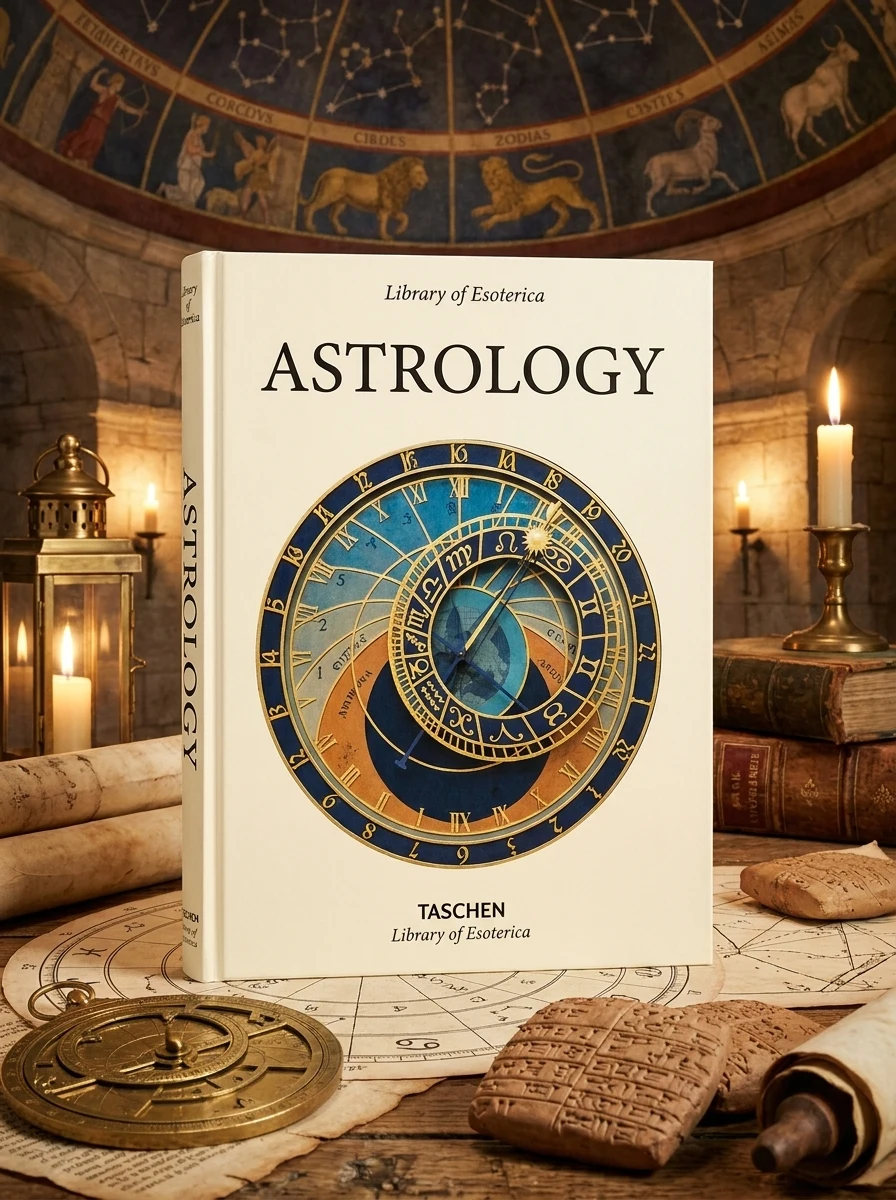
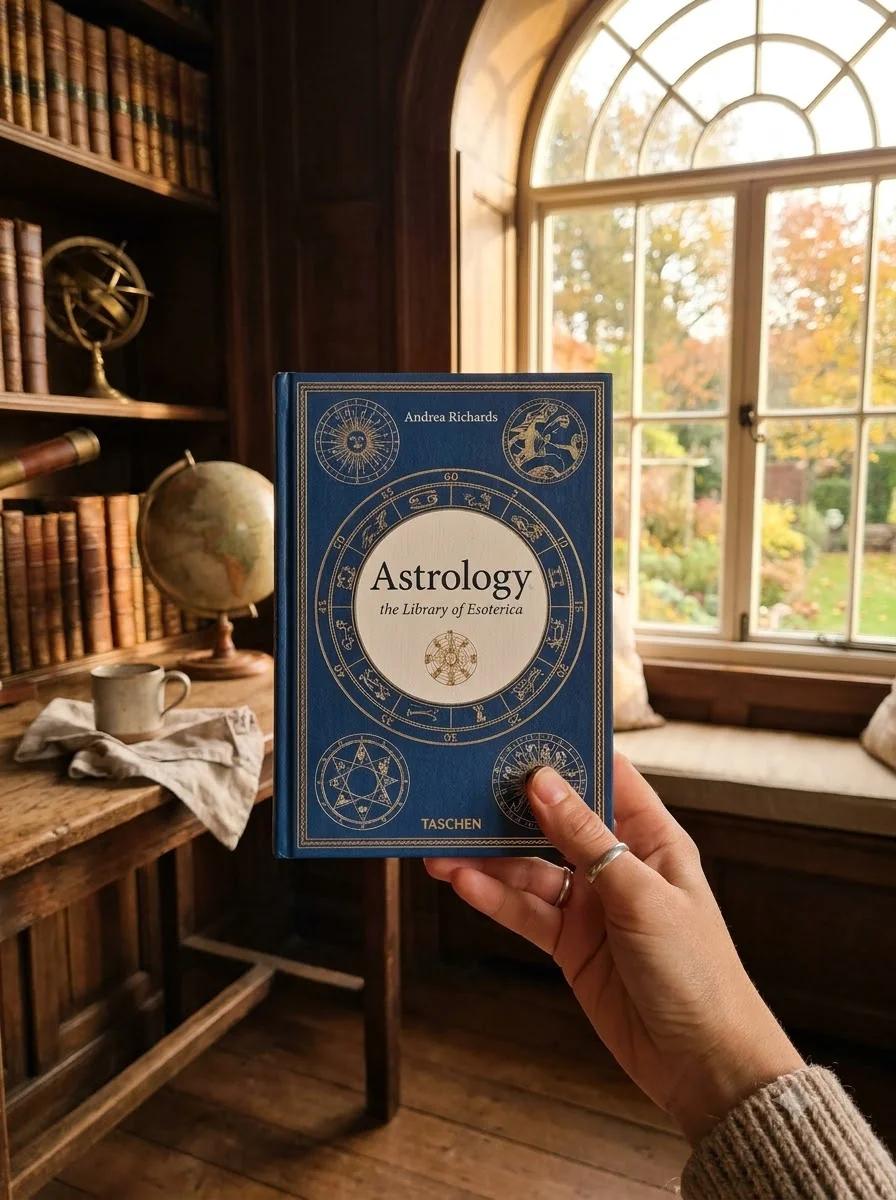

Astrology. the Library of Esoterica
✍️ Richards, AndreaThis compelling volume delves into the enduring human fascination with celestial movements, tracing astrology's journey from its ancient Mesopotamian origins to its modern-day resurgence. Far beyond simple horoscopes, it explores how the cosmic tapestry once guided kings and scholars, inspiring art, literature, and profound self-reflection across diverse cultures. Discover the rich lineage where astronomy and spiritual insight converged before the Age of Reason redefined their paths. A stunning exploration of humanity's continuous quest for meaning in the stars.


Praise for this book
“A vivid visual history and field guide to the esoteric practice featuring thousands of years of art.”
📝 Description: Astrology. the Library of Esoterica
💎 Expert review
📖 Why choose it
Why this book is worth reading
Readers fascinated by the deep historical roots of astrology will find immense value in this stunning exploration. It is ideal for those seeking to understand how celestial movements once guided kings, scholars, and artists across diverse cultures. The book appeals to anyone interested in the convergence of astronomy and spiritual insight before the Age of Reason. By tracing the journey from Mesopotamian origins to its modern resurgence, it offers profound self-reflection and context beyond simple horoscopes. It is perfect for seekers wishing to unravel the cosmic tapestry that has shaped human understanding for millennia, providing a compelling narrative of our continuous quest for meaning in the stars.
⭐ Reader reviews
Reader rating
Andrea Richards delivers a visually and intellectually engaging survey of astrology’s evolution, making it accessible to a broad audience. The book excels in highlighting the artistic and literary inspirations derived from celestial movements, offering a refreshing perspective on this ancient practice. However, skeptics or those seeking rigorous astronomical data may find the spiritual framing too abstract or romanticized. It is not suited for readers who view astrology strictly as pseudoscience without historical or cultural merit. Nevertheless, for those open to its esoteric traditions, it provides a beautiful, cohesive overview of how the stars have influenced human thought and creativity throughout history.
❓ Frequently asked questions
📖 Who should read this
If you're captivated by the intersection of history, art, and spirituality, and seek to understand astrology's profound cultural legacy beyond simple predictions, this book is for you. It's an essential read for anyone curious about how the stars have continuously inspired human endeavors and self-discovery.
🎯 Key themes and symbolism
Ancient Cosmic Wisdom
Explore the profound historical roots of astrology, revealing its sophisticated origins in ancient civilizations like Mesopotamia and Egypt. This book illuminates how early cultures intricately wove celestial observations into their spiritual beliefs, architectural marvels, and governance, long before the modern scientific divide.
Cultural & Artistic Resonance
Discover astrology's powerful influence on human creativity and thought throughout history. From inspiring literary giants like Goethe and Blake to shaping philosophical movements and artistic expressions, the book showcases how celestial insights permeated and enriched diverse cultural landscapes, even after its scientific standing diminished.
Evolution of Esoteric Practice
Trace the fascinating transformation of astrology from a respected 'sister science' to an esoteric art. The narrative meticulously details its retreat into mystical circles after the Enlightenment, and its subsequent re-emergence in movements like Theosophy and New Age spirituality, highlighting its enduring quest for meaning.
📜 Historical context
📚 Glossary
- Mesopotamia
- Enlightenment
- Theosophy
📔 Questions to reflect on
- How might ancient cultures' understanding of the cosmos differ fundamentally from our own, and what wisdom might we have lost?
- Consider a moment in history or art where astrology's influence is evident. How did it shape that particular expression or event?
- In an increasingly scientific world, what enduring human needs does astrology continue to address, and why does it persist?