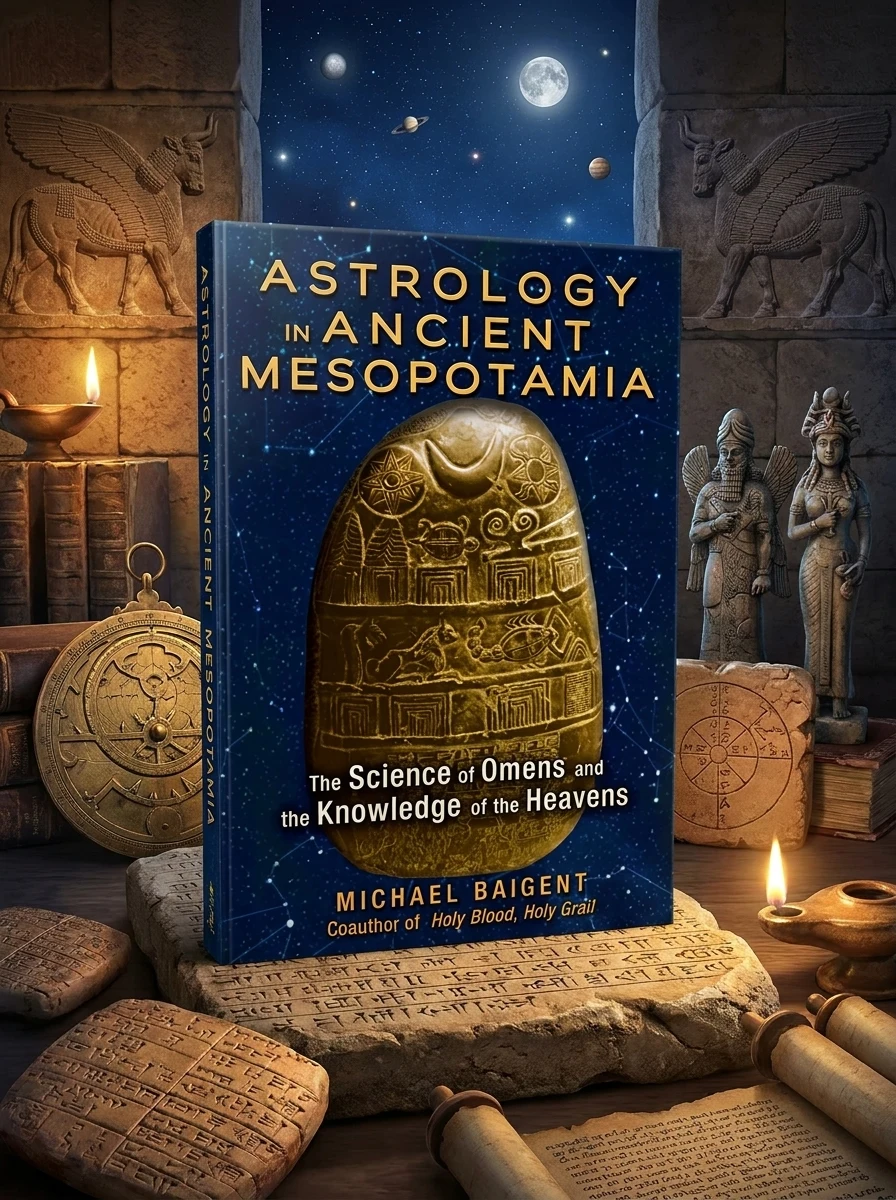
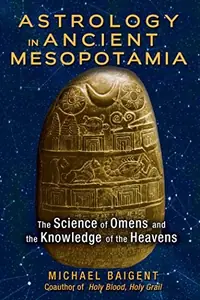
Astrology in Ancient Mesopotamia: The Science of Omens and the Knowledge of the Heavens


This edition can be ordered. No arrival date is confirmed.
Unearth the surprising roots of astrology in Mesopotamia's royal omens.
Michael Baigent's "Astrology in Ancient Mesopotamia" meticulously unveils the surprising origins of astrological practice. This groundbreaking work details how Babylonian and Assyrian cultures developed a sophisticated system of celestial omens, primarily aimed at advising kings and safeguarding the state, rather than personal horoscopes. Drawing from ancient tablets, particularly those from Ashurbanipal's library, Baigent charts the evolution of this systematic discipline. He further explores how these profound insights into celestial mechanics and their earthly reflections were later transmitted through hermetic traditions, influencing subsequent eras from ancient Egypt to the Renaissance, fundamentally shaping our understanding of cosmic wisdom.
This text situates ancient Mesopotamian celestial practices within the broader lineage of Western esotericism, linking Babylonian royal omens to later hermetic traditions. It bridges the gap between early state-sponsored astrology and the cosmic wisdom that influenced eras from ancient Egypt through the Renaissance.


📝 Description: Astrology in Ancient Mesopotamia: The Science of Omens and the Knowledge of the Heavens
💎 Expert review
📖 Why choose it
Why this book is worth reading
Readers deeply fascinated by the historical architecture of occult thought will find this book essential for understanding how astrology began not as a tool for personal fortune-telling, but as a serious science of statecraft. Baigent’s meticulous examination of Ashurbanipal’s library reveals how Babylonian and Assyrian priests used celestial mechanics to safeguard kings and the realm. This work is perfect for those who wish to trace the direct lineage from ancient royal omens to the hermetic traditions that shaped later European cosmology. It offers a profound, scholarly look at the origins of cosmic wisdom, providing context that is often missing in modern astrological discourse. If you seek to understand the intellectual roots of our relationship with the heavens, this volume provides the necessary historical grounding.
⭐ Reader reviews
Reader rating
Baigent delivers a compelling narrative on the transition from royal divination to broader esoteric influence, yet this volume demands patience from casual readers. It is not suitable for those seeking practical horoscope interpretations or quick fixes for personal life issues, as it focuses strictly on historical mechanics and state advice. The dense exploration of tablet evidence may feel academic to some, lacking the mystical flair typical of pop-occultism. However, for historians of ideas and serious students of hermetic lineage, it is a vital resource. Readers expecting modern psychological astrology will find little relevance here; this is strictly about ancient political science and celestial observation.
❓ Frequently asked questions
📖 Who should read this
If you're a serious student of astrological history, ancient esotericism, or the fascinating interplay between cosmology and statecraft, this book is indispensable. It offers a profound re-evaluation of celestial divination's true origins, challenging common perceptions and enriching your understanding of its enduring legacy.
🎯 Key themes and symbolism
Ancient Mesopotamian Astrology
This book delves into the systematic development of celestial observation in Babylon and Assyria, revealing it as a highly specialized discipline. Unlike modern astrology, its primary focus was on interpreting omens for the well-being of the state and its ruler, establishing a complex system of divination rather than individual horoscopes. It traces its evolution from the earliest forms to a codified science.
Hermetic Knowledge Transmission
Baigent meticulously tracks the long and intricate journey of Mesopotamian astrological wisdom across millennia. He illustrates how these ancient insights were preserved and passed down, influencing subsequent esoteric traditions from the Nile Valley to the intellectual centers of Renaissance Italy, highlighting a continuous, though often obscured, lineage of cosmic understanding that shaped Western esotericism.
Omens and Royal Divination
The text emphasizes that early Mesopotamian astrology was fundamentally an omen science, a tool for predicting events affecting the king and his realm. It was the exclusive domain of highly trained specialists, interpreting celestial phenomena to advise on matters of state. The author draws heavily from the tablets recovered from Ashurbanipal's royal library, showcasing the meticulous records of these ancient diviners.
💬 Quotes from the book
“The ancient Chaldean sky-watchers were not concerned with the personal fate of a merchant, but with the cosmic portents affecting the well-being of the realm and its divine ruler.”
“From the meticulously cataloged celestial observations of Nineveh, a profound wisdom emerged, destined to echo through Egyptian temple schools and Florentine academies.”
📜 Historical context
📚 Glossary
- Mesopotamian Astrology
- Hermetic Transmission
- Ashurbanipal's Library
📔 Questions to reflect on
- How does understanding the original, state-focused purpose of astrology shift your perception of its modern, individualistic applications?
- Reflect on the role of specialized knowledge in ancient societies. How might the 'science of omens' have legitimized royal authority?
- Consider the 'hermetic transmission' of knowledge. In what ways might ancient wisdom be altered or reinterpreted as it passes through different cultures and time periods?
🏛 Books from this publisher Bear & Company
All books from this publisher →


You might also like
See more →