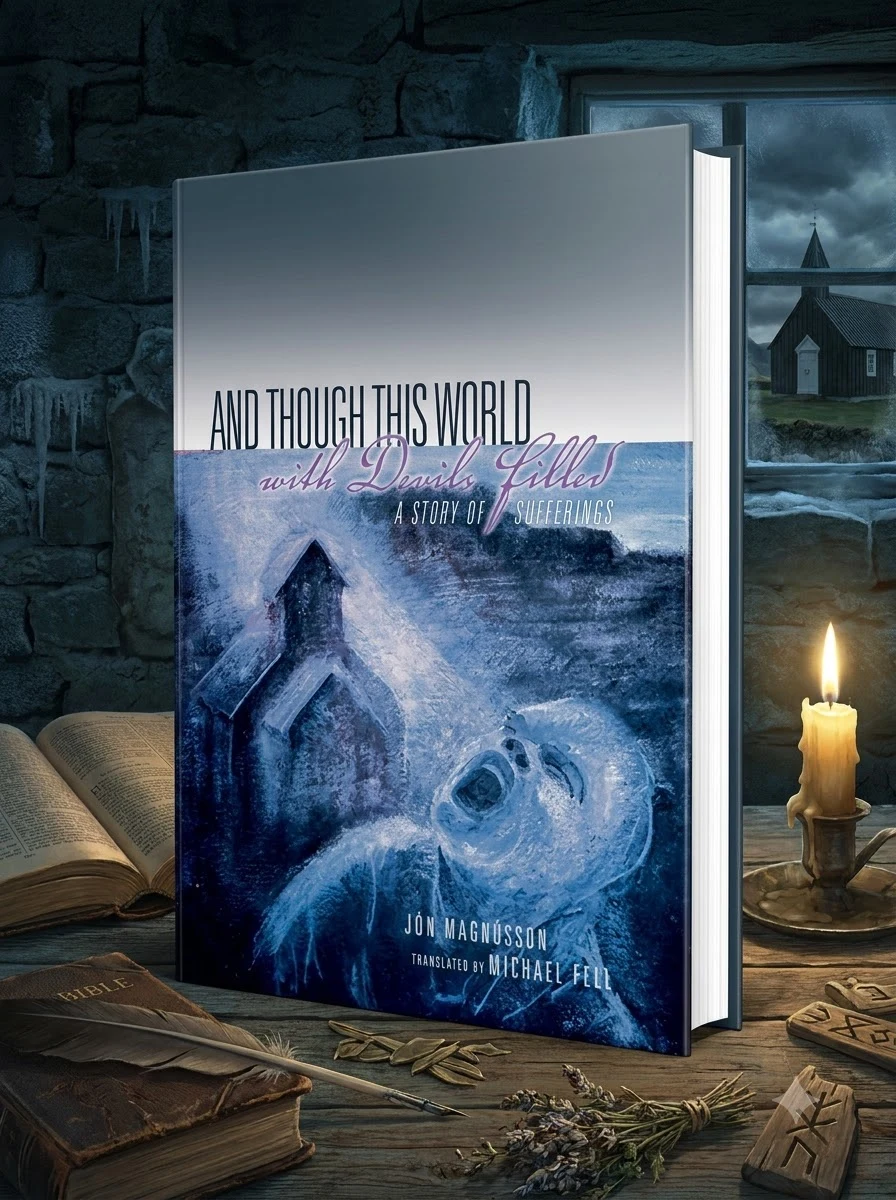
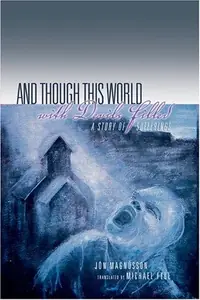
And Though This World with Devils Filled: A Story of Sufferings Translated by Michael Fell Fell, Michael
 79
79
 Editorial score
How we rate
Editorial score
How we rate
This edition can be ordered. No arrival date is confirmed.
Venture into 17th-century Iceland, where a priest's torments unveil the dark heart of human belief.
Journey into 17th-century Iceland through Michael Fell's translation of Jón Magnússon’s "A Story of Sufferings." This profound text chronicles a Lutheran priest's intense physical and mental anguish, which he meticulously documented and attributed to the black magic of three alleged sorcerers. Magnússon's raw narrative offers a unique, unsettling glimpse into the spiritual and psychological realities of an era where deeply held religious beliefs clashed with pervasive fears of witchcraft, illustrating the profound impact of perceived malevolence on an individual's life.
This work sits at the intersection of early modern European witchcraft hysteria and Icelandic literary history, offering a primary source perspective on 17th-century religious anxieties. It serves as a crucial artifact for understanding how spiritual beliefs and fears of malevolence were intertwined in the daily lives of that era.


📝 Description: And Though This World with Devils Filled: A Story of Sufferings Translated by Michael Fell Fell, Michael
💎 Expert review
📖 Why choose it
Why this book is worth reading
Readers fascinated by the psychological depths of religious fervor and the historical reality of witch trials will find this text profoundly rewarding. It offers an unflinching look at the human mind under extreme duress, bridging the gap between theological doctrine and personal trauma. Those interested in the cultural mechanics of belief systems, particularly how fear manifests as physical suffering, will gain a unique, unsettling perspective from the victim's own account. This translation provides essential context for understanding the severity of 17th-century spiritual conflicts without romanticizing them.
⭐ Reader reviews
Reader rating
This book is not for readers seeking light entertainment or straightforward historical chronicles. It demands patience with its raw, introspective narrative of anguish and may feel overly dense to those unfamiliar with early modern theological debates. While valuable for scholars of witchcraft history and students of religious psychology, casual readers might find the sustained focus on physical and mental torment exhausting. It is a specific, academic-grade primary source rather than a broad historical overview, best suited for those prepared to engage with difficult, unsettling material regarding the intersection of faith and perceived evil.
❓ Frequently asked questions
📖 Who should read this
If you're drawn to the intersection of historical religious fervor, personal trauma, and the dark currents of perceived witchcraft, this translation offers an unparalleled, raw glimpse into a 17th-century mind. Ideal for those seeking authentic accounts of spiritual struggle and cultural demonology.
🎯 Key themes and symbolism
Persecution and Belief
Magnússon's text offers a first-person perspective on the societal anxieties surrounding witchcraft in early modern Iceland. It explores how deep religious conviction could interpret personal suffering as direct demonic or magical assault, revealing the psychological burden placed upon individuals caught in such accusations and beliefs, both as victims and accusers.
The Psychology of Suffering
The book provides an intimate, often disturbing, look into the mind of someone experiencing extreme physical and mental distress. It delves into the priest's internal struggle to reconcile his faith with his torment, offering invaluable insight into how spiritual frameworks are used to cope with, or explain, profound personal hardship in a pre-scientific age.
Historical Occultism
This work serves as a primary source for understanding the practical and perceived reality of black magic within a 17th-century European context. It showcases the specific cultural interpretations of witchcraft, the methods attributed to sorcerers, and the profound social impact these beliefs had on daily life and legal proceedings, seen through one man's experience.
💬 Quotes from the book
“My body, a vessel of unending pain, felt the very grip of unseen forces, a testament to the dark arts at work against my soul.”
“Though my faith wavered under the relentless assault of these infernal torments, yet did the Lord provide a flicker of grace to chronicle my woes.”
📜 Historical context
📚 Glossary
- Lutheranism
- Black Magic
- Witch-hunt Era
📔 Questions to reflect on
- How do you think societal beliefs about good and evil impact an individual's personal experience of suffering?
- Reflect on a time you faced inexplicable hardship. How did you seek to understand or attribute its cause, and how did your personal worldview shape that understanding?
- In a world without modern scientific explanations, how might you interpret physical or mental illness if you were living in 17th-century Iceland?
📖 From the series “American University Studies”
All books in the series →
🏛 Books from this publisher Peter Lang Inc., International Academic Publishers
All books from this publisher →


You might also like
See more →