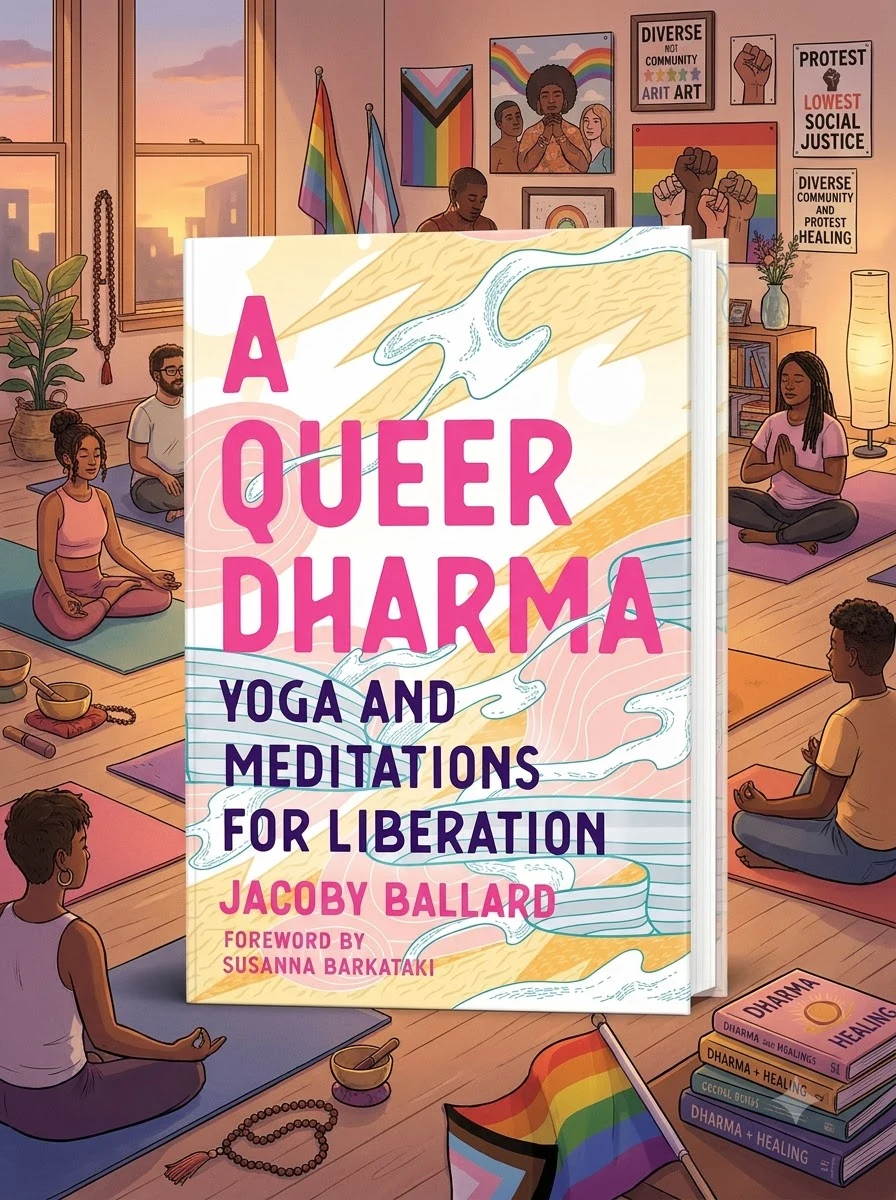
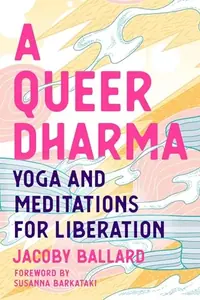
A Queer Dharma: Yoga and Meditations for Liberation


Stock reported in the catalog; fulfillment is confirmed with your request.
Uncover a transformative path to healing and liberation through queer-centered yoga and dharma.
Jacoby Ballard offers an essential guide for navigating trauma and social injustice within queer communities, using the frameworks of yoga and Buddhist dharma. This work critically examines how mainstream yoga often perpetuates harm while providing affirming, embodied practices tailored to the lived experiences and resilience of queer individuals. It integrates self-compassion, mindfulness, and community-building, fostering a profound journey towards personal and collective healing rooted in social justice and authentic self-acceptance.
This text situates itself at the intersection of contemporary queer liberation movements and Buddhist-inspired yoga practices, offering a modern esoteric framework that challenges traditional spiritual norms. It represents a specific niche within the broader mysticism genre that prioritizes social justice and embodied healing over conventional asceticism.


📝 Description: A Queer Dharma: Yoga and Meditations for Liberation
💎 Expert review
📖 Why choose it
Why this book is worth reading
Readers seeking a spiritual practice that validates their identity will find profound solace in this guide. It is particularly beneficial for queer individuals who have felt alienated by mainstream yoga’s often exclusionary or harmful traditions. By weaving together dharma teachings with trauma-informed care, the authors provide tools for self-compassion and community building. This book serves as a vital resource for those navigating social injustice, offering an affirming path to liberation that honors lived experiences. It is ideal for practitioners looking to deepen their meditation practice through a lens of authentic self-acceptance and collective healing.
⭐ Reader reviews
Reader rating
This work offers a necessary critique of traditional yoga spaces while providing concrete, affirming alternatives. Ballard and Barkataki succeed in creating a space where queer resilience is central to spiritual growth. However, readers seeking detached, purely technical asana instruction without sociopolitical context may find the content too theoretical or emotionally demanding. It also may not suit those who prefer strictly secular mindfulness practices devoid of religious or dharma frameworks. The text demands engagement with themes of trauma and systemic oppression, which might be overwhelming for readers currently in acute crisis or unwilling to confront the political dimensions of spirituality. Ultimately, it is a powerful, if niche, contribution to esoteric literature.
❓ Frequently asked questions
📖 Who should read this
If you are a queer individual seeking a spiritual practice that genuinely honors your identity and lived experiences, or an ally committed to dismantling systemic oppression within wellness spaces, this book offers invaluable insights and practical tools for healing and liberation.
🎯 Key themes and symbolism
Critiquing Mainstream Yoga
The book meticulously unpacks the problematic intersections of yoga, capitalism, cultural appropriation, and systemic phobias. It reveals how conventional yoga spaces can inadvertently (or explicitly) perpetuate queer- and transphobia, as well as other forms of oppression, challenging practitioners to recognize and dismantle these ingrained biases within their spiritual practices.
Healing Queer Trauma
Addressing the complex, vicarious, and historical trauma endured by queer communities, this text provides practical tools for healing. It introduces practices such as tonglen, lovingkindness, and grounding exercises, offering pathways to process deep-seated wounds and build resilience, reframing personal healing as an act of social justice.
Embodied Queer Practice
At its core, the book champions a fully embodied, equity-rooted approach to yoga and meditation. It offers meditations, sequences, and practices specifically designed to center queer experiences, affirming unique identities and fostering a sense of belonging and empowerment through movement, breath, and mindful awareness.
💬 Quotes from the book
“What is trauma? How is it a product of injustice—and how can healing it create justice?”
“How do we love what is uniquely trans about us?”
📜 Historical context
📚 Glossary
- Dharma
- Tonglen
- Lovingkindness
📔 Questions to reflect on
- Reflect on a time when a spiritual or wellness space felt un-affirming of your true self. What elements contributed to that feeling?
- Consider the idea that personal healing can be an act of justice. How might your own healing journey contribute to a more just world?
- What specific practices or affirmations help you cultivate self-love and resilience in the face of societal pressures or prejudice?
🏛 Books from this publisher North Atlantic Books
All books from this publisher →






You might also like
See more →