Free shipping over $49 Wide selection of books
👤 My Account
🕯️ Occult Philosophy

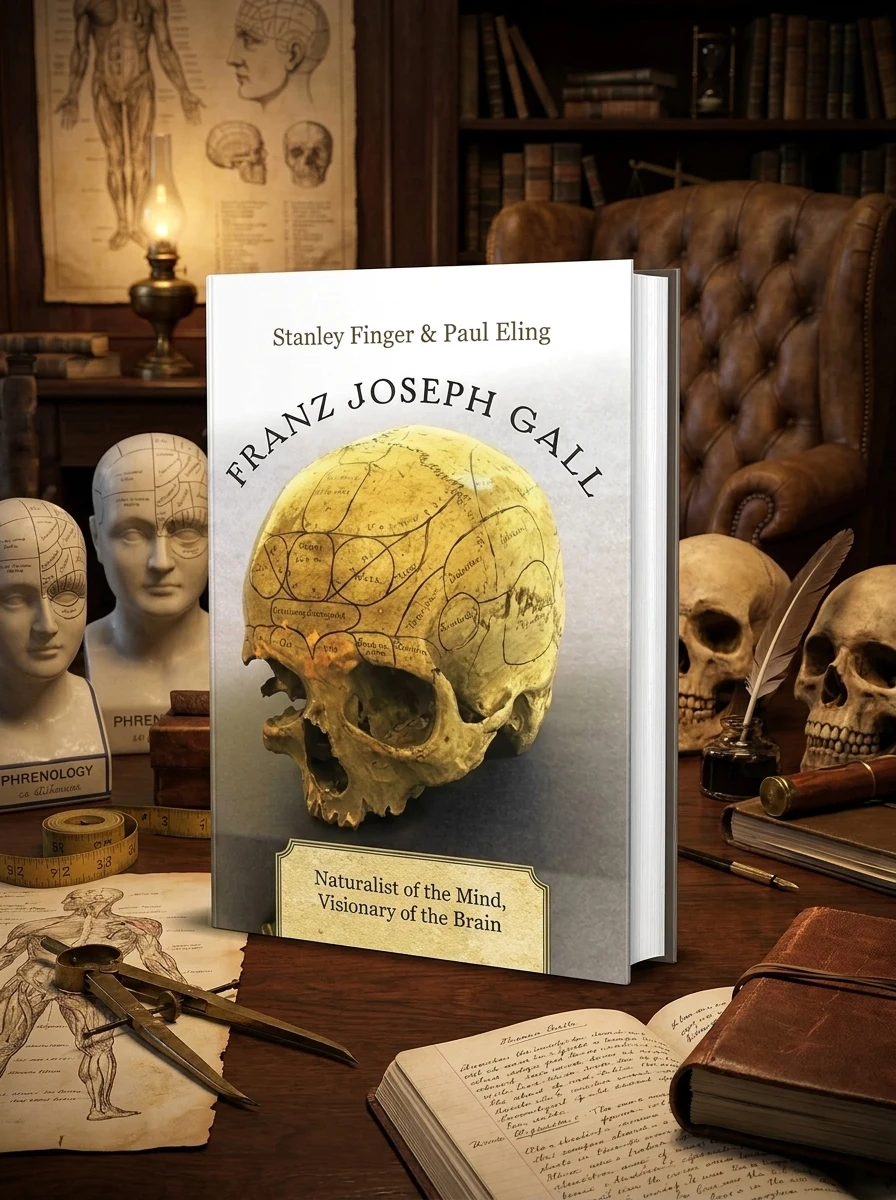
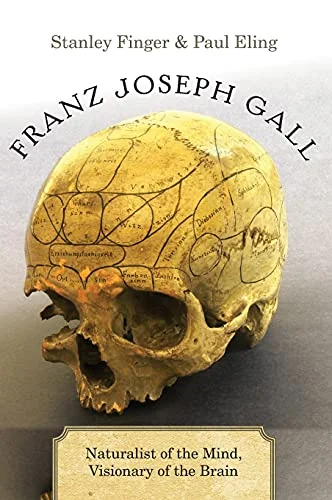
Franz Joseph Gall: Naturalist of the Mind, Visionary of the Brain

✍️ Finger, Stanley; , Eling, Paul
Reader Score
4.5
(2 reviews) 147 sold
$150.00
In stock — ready to ship
📚 WHAT THE BOOK IS ABOUT

This illuminating volume reclaims the complex legacy of Franz Joseph Gall, often dismissed as a charlatan for his doctrine of phrenology. Far from a mere purveyor of cranial bumps, Gall emerges as a pioneering physician-scientist who profoundly questioned the mind-brain connection. The authors reveal his visionary insights into brain localization and functional specialization, ideas foundational to modern neuroscience. It’s a compelling re-evaluation, presenting Gall as a figure whose empirical methods and investigative spirit transcended the simplistic interpretations of his controversial theories.

🏛 Paperbackshop UK Import 📅 2019 📖 584 pages 📔 Hardcover 📐 Hardcover ISBN: 9780190464622
Fun Fact
This remarkable book masterfully separates the visionary from the flawed in Franz Joseph Gall's legacy. It excels at illustrating how his empirical rigor and concept of cortical localization were truly ahead of their time, offering a profound recontextualization. While those seeking a simple condemnation of phrenology might be disappointed, serious students of scientific history and the mind-body connection will find an indispensable resource. It firmly places Gall not as a fringe curiosity, but as a pivotal, if controversial, ancestor of modern neuroscience.

📝 Description: Franz Joseph Gall: Naturalist of the Mind, Visionary of the Brain

Franz Joseph Gall (1758-1828) was always a controversial figure, as was his doctrine, later called phrenology. Although often portrayed as a discredited buffoon, who believed he could assess a person's strengths and weaknesses by measuring cranial bumps, he was, in fact, a serious physician-scientist, who strove to answer timely questions about the mind, brain, and behavior. In many ways a remarkable visionary, his seminal ideas would become tenets of modern behavioral neuroscience. Among other things, he was the first scientist to promote publicly the idea of specialized cortical areas for diverse higher functions, while taking metaphysics out of his new science of mind. Moreover, although he obviously placed too much emphasis on "tell-tale" skull features (mistakenly believing that the cranium faithfully reflects the features of underlying brain areas), he fully understood the strength of "convergent operations," conducting neuroanatomical, developmental, cross-species, gender-comparison, and brain-damage studies on both humans and animals in his attempts to unravel the mysteries of brain organization. Rather than looking upon Gall's "organology" as one of science's great mistakes, this book provides a fresh look at the man and his doctrine. The authors delve into his motives, what was known about the brain during the 1790s, and the cultural demands of his time. Gall is rightfully presented as an early-19th-century biologist, anthropologist, philosopher, and physician with an inquisitive mind and a challenging agenda--namely, how to account for species and individual differences in behavior. In this well-researched book, readers learn why, starting as a young physician in Vienna and continuing his life's work in Paris, he chose to study the mind and the brain, why he employed his various methods, why he relied so heavily on cranial features, and why he wrote what he did in his books. Frequently using Gall's own words, they show his impact in various domains, including his approach to the insane and criminals, before concluding with his final illness and more lasting legacy.

💎 Expert review

💎
Esoterica Books editorial team
Occult literature desk
While this volume succeeds in humanizing Gall and highlighting his foundational contributions to brain localization, it may disappoint readers seeking a straightforward defense of phrenological practice itself. It is not suited for those who prefer clear-cut scientific classifications over historical ambiguity or those uninterested in the sociopolitical reception of controversial theories. The text focuses heavily on reclamation rather than technical validation, which might feel abstract to hard scientists. However, for historians of ideas and esoteric scholars, it offers a compelling, albeit dense, argument that challenges the simplistic dismissal of Gall’s legacy as mere charlatanry.
✓ EDITOR'S REVIEW

📖 Why choose it

📖

Why this book is worth reading

Readers fascinated by the hidden histories of science will find this book a refreshing corrective to the caricatured image of Franz Joseph Gall. It is ideal for those who enjoy intellectual detective work, offering a nuanced look at how empirical methods can be both groundbreaking and misunderstood. If you appreciate narratives that reclaim marginalized figures in history and explore the complex origins of modern neuroscience, this re-evaluation provides deep satisfaction. It appeals to anyone willing to look past the infamy of phrenology to uncover the visionary physician who first questioned the mind-brain connection with serious investigative spirit.

⭐ Reader reviews

The starting rating comes from the team Esoterica Books —
⭐ Esoterica editorial review Editorial rating 4.6/5
★★★★
Seekers of hidden truths in scientific history, this book is for you. If you're drawn to figures whose profound insights were obscured by later controversy, or if you wish to understand the complex origins of neuroscience, prepare for an enlightening journey into the mind of a true visionary.

Reader rating

4.5
Based on 1 reviews
5
0
4
1
3
0
2
0
1
0
E
Esoterica Books editorial team

While this volume succeeds in humanizing Gall and highlighting his foundational contributions to brain localization, it may disappoint readers seeking a straightforward defense of phrenological practice itself. It is not suited for those who prefer clear-cut scientific classifications over historical ambiguity or those uninterested in the sociopolitical reception of controversial theories. The text focuses heavily on reclamation rather than technical validation, which might feel abstract to hard scientists. However, for historians of ideas and esoteric scholars, it offers a compelling, albeit dense, argument that challenges the simplistic dismissal of Gall’s legacy as mere charlatanry.

❓ Frequently asked questions

No, this work does not endorse phrenology as an accurate science. Instead, it meticulously separates Gall's foundational neurological insights and rigorous methodologies from the erroneous conclusions he drew about skull topography.
The book's primary contribution is its re-framing of Gall as a visionary pioneer in brain science, emphasizing his groundbreaking ideas on cortical localization and empirical research methods, rather than simply dismissing him for the discredited aspects of phrenology.

📖 Who should read this

Seekers of hidden truths in scientific history, this book is for you. If you're drawn to figures whose profound insights were obscured by later controversy, or if you wish to understand the complex origins of neuroscience, prepare for an enlightening journey into the mind of a true visionary.

🎯 Key themes and symbolism

Reclaiming a Misunderstood Legacy

This book meticulously dismantles the common caricature of Gall as a 'discredited buffoon.' Instead, it argues for a nuanced understanding of his contributions, showcasing him as a serious scientific inquirer whose work was often ahead of its time. It invites readers to look beyond the popular perception to appreciate his profound influence.

Mapping the Mind's Territories

A central theme explores Gall's groundbreaking assertion that different mental faculties are localized in specific brain regions. This radical idea, revolutionary for its era, laid the groundwork for modern behavioral neuroscience and our current understanding of cortical specialization. He was among the first to propose such a systematic division of mental functions.

Empirical Brain Investigation

The text highlights Gall's rigorous and multi-faceted scientific approach. He didn't just theorize; he conducted extensive neuroanatomical studies, observed developmental changes, compared species, analyzed gender differences, and examined brain damage to build his theories. This commitment to 'convergent operations' underscores his true scientific spirit.

💬 Quotes from the book

“He was, in fact, a serious physician-scientist, who strove to answer timely questions about the mind, brain, and behavior.”

“Among other things, he was the first scientist to promote publicly the idea of specialized cortical areas for diverse higher functions, while taking metaphysics out of his new science of mind.”

📜 Historical context

Gall's work emerged during a pivotal era when the study of the mind began shifting from pure philosophy to empirical biology. His endeavors to locate mental functions within the brain represented a radical departure from metaphysical explanations, pushing the boundaries of scientific inquiry and setting the stage for a more anatomical and physiological understanding of consciousness.

📚 Glossary

Phrenology
Cortical Areas
Convergent Operations

📔 Questions to reflect on

  1. How does the re-evaluation of historical figures like Gall challenge our understanding of scientific progress and the nature of 'mistakes'?
  2. Consider the tension between groundbreaking visionary ideas and the limitations of contemporary understanding. Where do you see similar parallels in modern science or esoteric thought?
  3. If 'phrenology' was Gall's flawed conclusion, what enduring insights or methodologies did he contribute that we might still appreciate today, even in unrelated fields?

You might also like

See more →
Martin Delrio: Demonology and Scholarship in the Counter-Reformation Machielsen, Jan
★★★★★
★★★★★
4.8
1
Machielsen, Jan
Martin Delrio: Demonology and Scholarship in the Counter-Reformation Machielsen, Jan
$150.00
91
Symphorien Champier and the Reception of the Occultist Tradition in Renaissance France (Reprint 2010)
★★★★★
★★★★★
4.8
1
Copenhaver, Brian P
Symphorien Champier and the Reception of the Occultist Tradition in Renaissance France (Reprint 2010)
$154.00
91
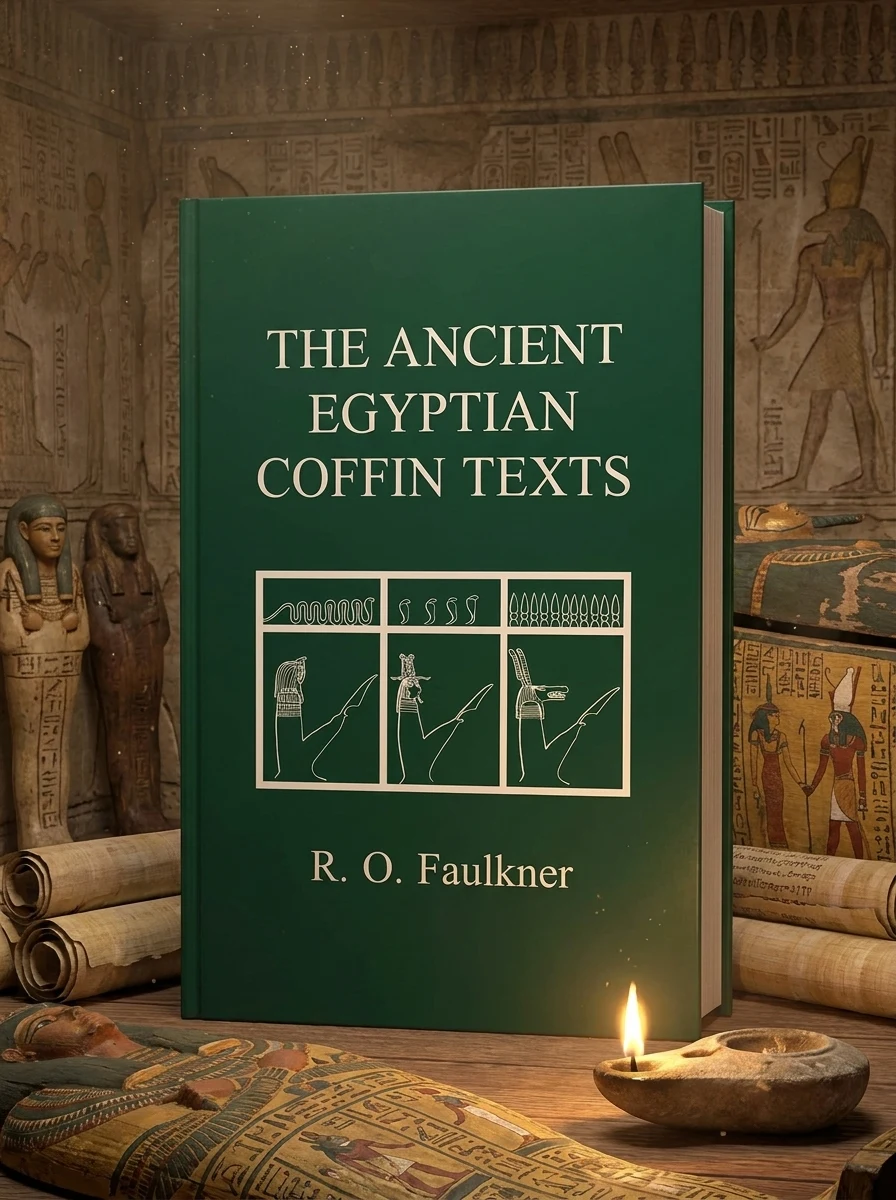
The Ancient Egyptian Coffin Texts (Revised) Faulkner, R O
★★★★★
★★★★★
4.8
1
Faulkner, R O
The Ancient Egyptian Coffin Texts (Revised) Faulkner, R O
$160.00
91
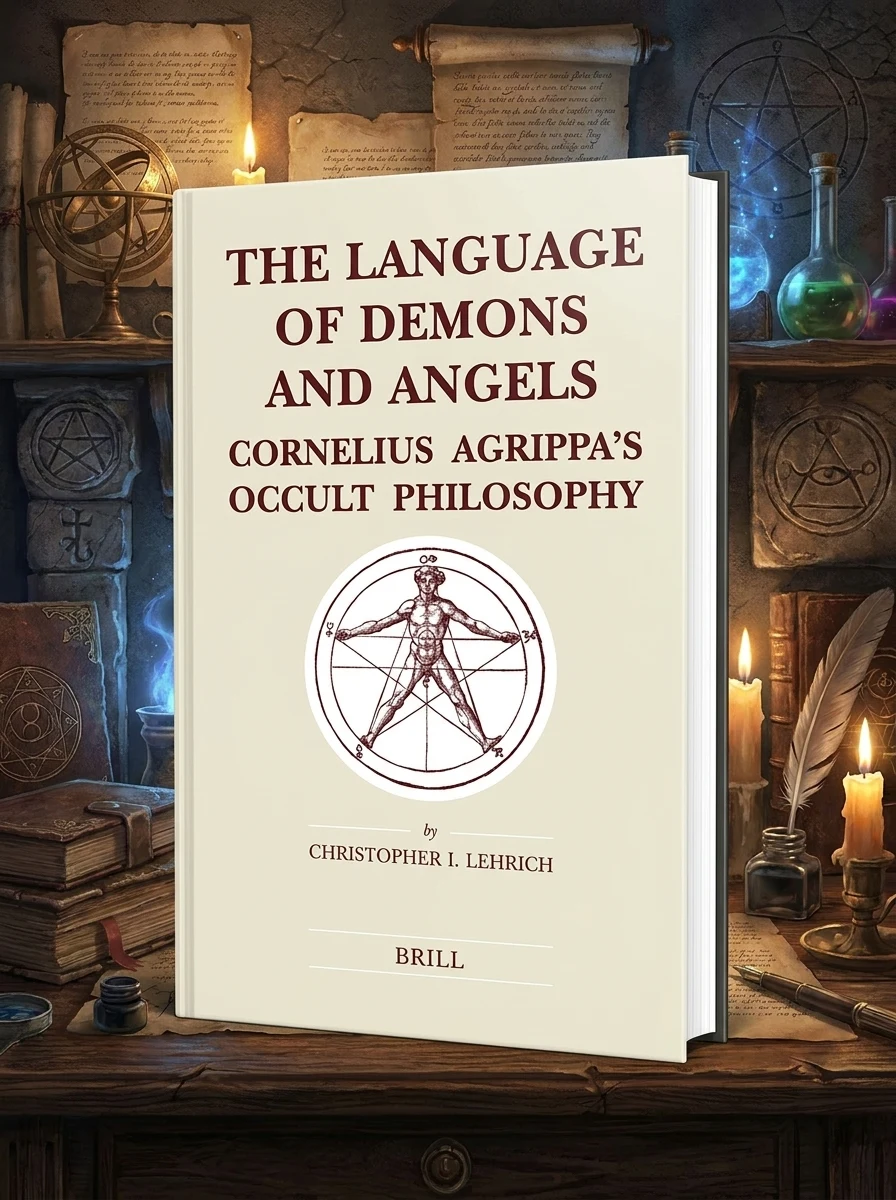
The Language of Demons and Angels - Ingram Academic Lehrich, Christopher I
★★★★★
★★★★★
4.8
1
Lehrich, Christopher I
The Language of Demons and Angels - Ingram Academic Lehrich, Christopher I
$174.00
91
Eliphas Lévi and the French Occult Revival (Revised) McIntosh, Christopher
★★★★★
★★★★★
4.8
1
McIntosh, Christopher
Eliphas Lévi and the French Occult Revival (Revised) McIntosh, Christopher
$104.00
91
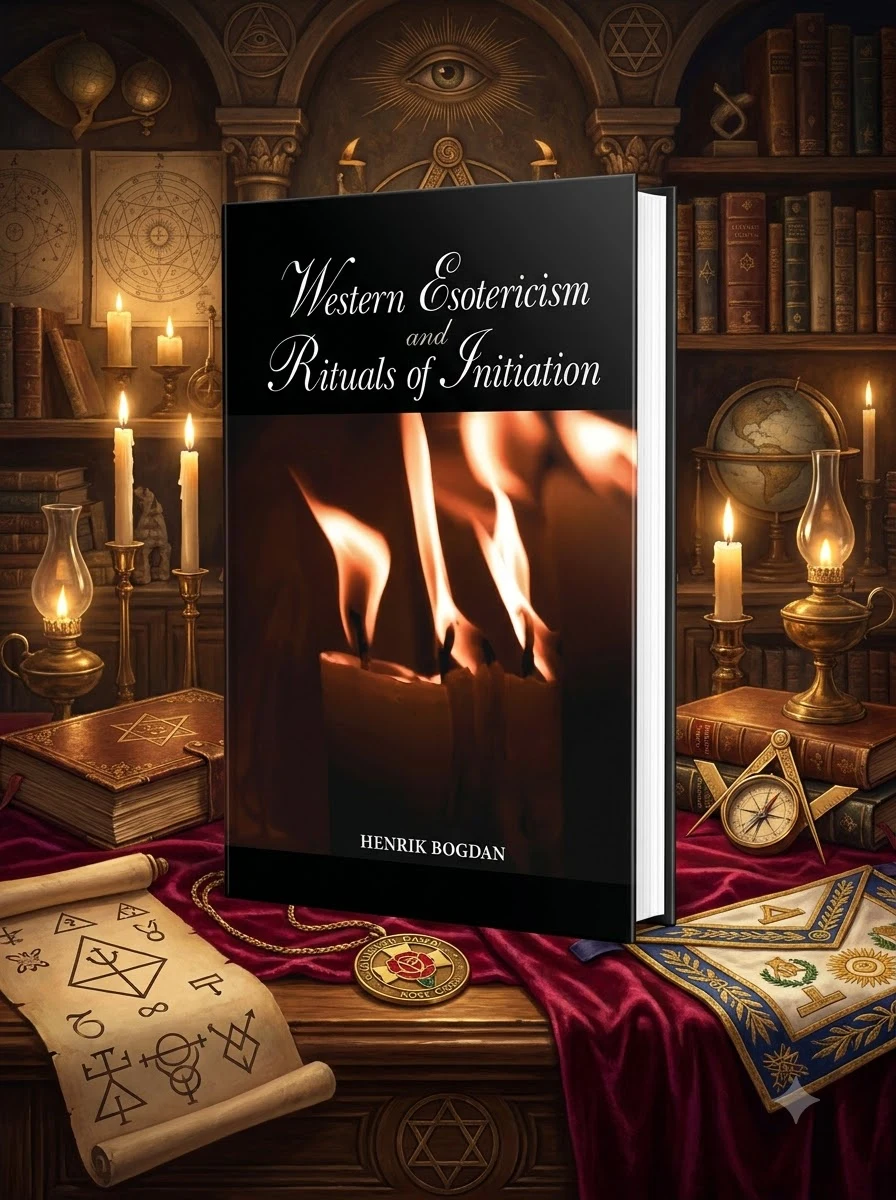
Western Esotericism and Rituals of Initiation Bogdan, Henrik
★★★★★
★★★★★
4.8
1
Bogdan, Henrik
Western Esotericism and Rituals of Initiation Bogdan, Henrik
$104.00
91
Dictionary of Gnosis & Western Esotericism - Ingram Academic Hanegraaff, Wouter J
★★★★★
★★★★★
4.8
1
Hanegraaff, Wouter J
Dictionary of Gnosis & Western Esotericism - Ingram Academic Hanegraaff, Wouter J
$103.00
91
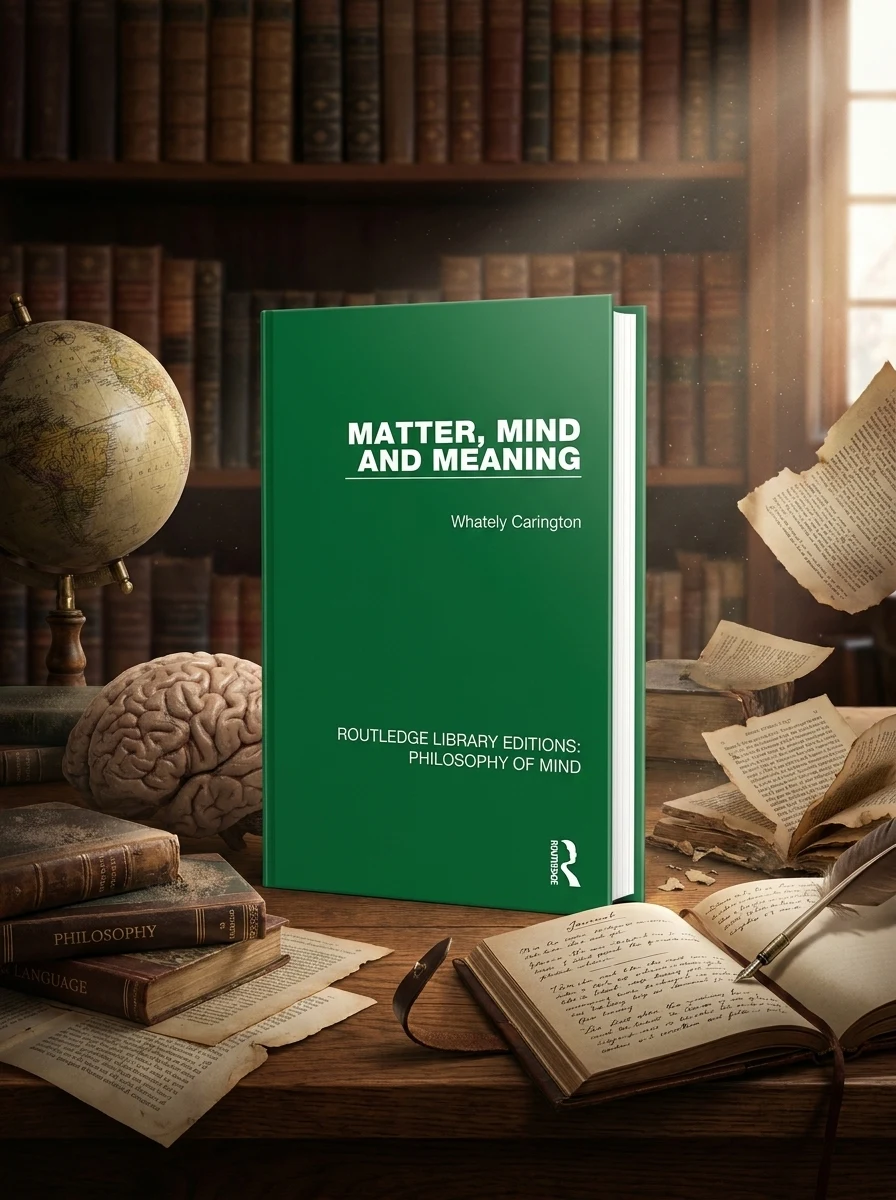
Matter, Mind and Meaning Carington, Whately
★★★★★
★★★★★
4.7
1
Carington, Whately
Matter, Mind and Meaning Carington, Whately
$200.00
91
Demons in the Details: Demonic Discourse and Rabbinic Culture in Late Antique Babylonia
★★★★★
★★★★★
4.8
1
Ronis, Sara
Demons in the Details: Demonic Discourse and Rabbinic Culture in Late Antique Babylonia
$95.00
91
The New Physiognomy: Face, Form, and Modern Expression Rives, Rochelle
★★★★★
★★★★★
4.8
1
Rives, Rochelle
The New Physiognomy: Face, Form, and Modern Expression Rives, Rochelle
$95.00
91
Home Genres
Cart
Wishlist