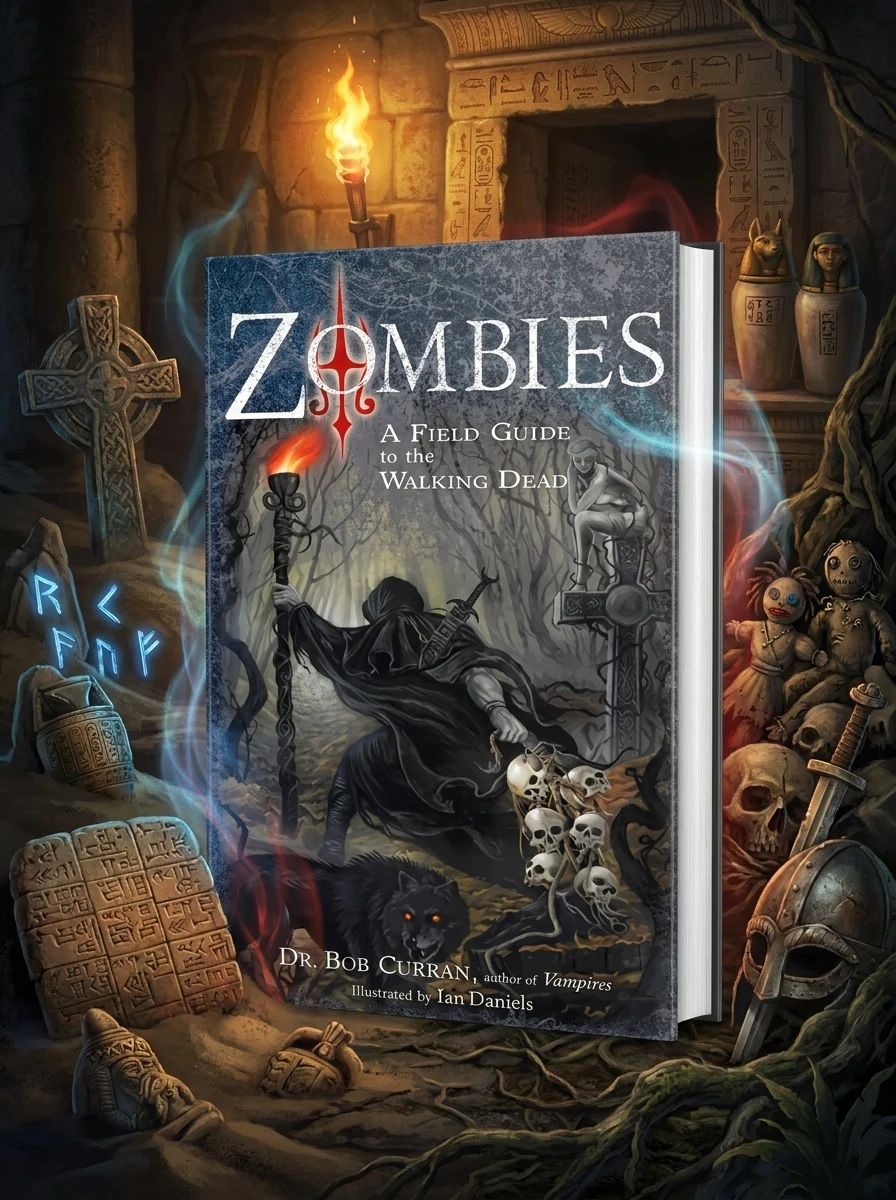
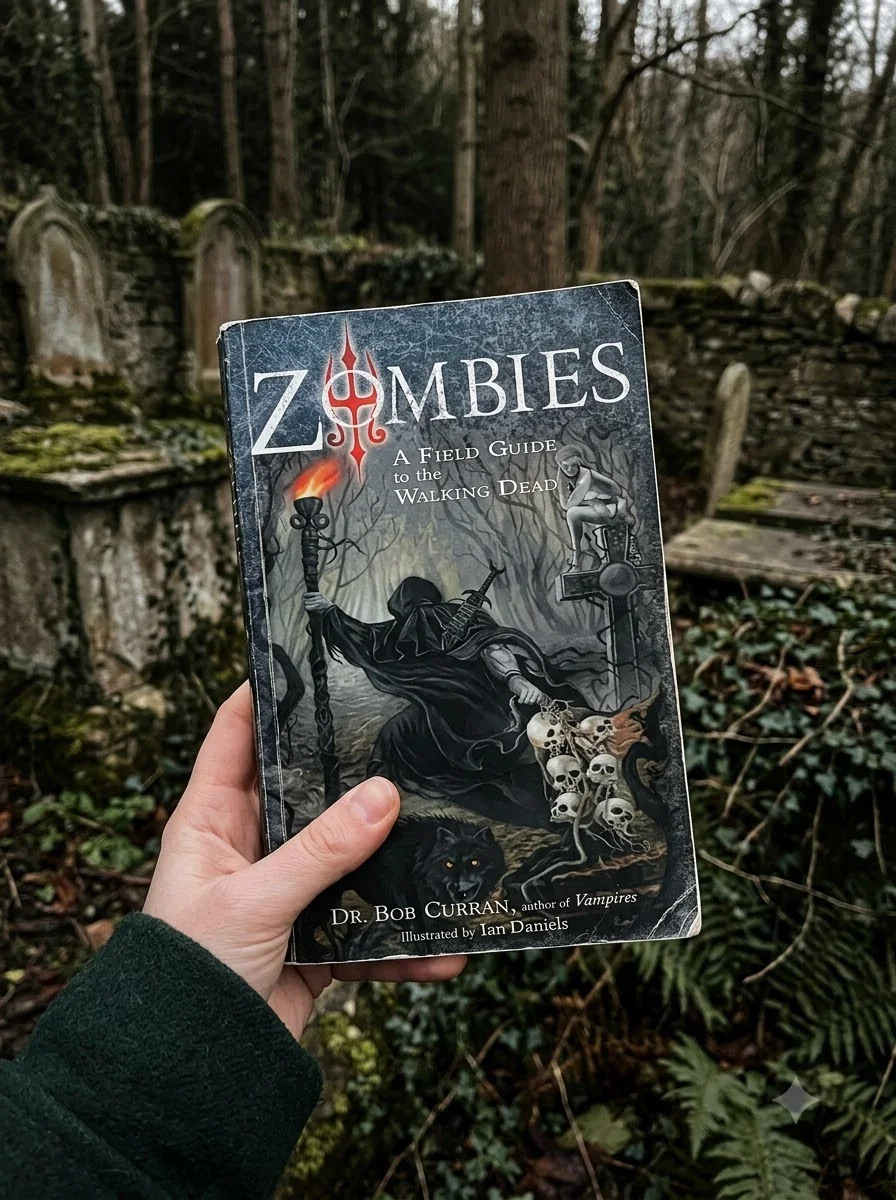
Zombies: A Field Guide to the Walking Dead
✍️ Curran Bob; , Daniels IanDive into a compelling global journey exploring the origins and evolution of beliefs surrounding the physically reanimated dead. From the chilling draugr of Norse sagas to the iconic zombies of Haitian lore, this book meticulously traces how the concept of a corporeal return from the grave has permeated human cultures. It delves into ancient Sumerian, Egyptian, and Celtic myths, charting the idea's progression through religious thought, 18th-century European resurrections, and even modern interpretations like Japan's 'living mummies.' A unique, systematic exploration of a deeply rooted cultural phenomenon.


📝 Description: Zombies: A Field Guide to the Walking Dead
💎 Expert review
📖 Why choose it
Why this book is worth reading
Readers fascinated by the intersection of folklore, anthropology, and horror will find this guide indispensable for understanding the deep roots of our fear of the walking dead. It appeals to those who enjoy tracing cultural phenomena from their mythological origins in Sumerian or Egyptian lore through to modern interpretations like Japan's living mummies. If you appreciate how ancient beliefs evolve into contemporary pop culture icons, such as Haitian zombies or Norse draugr, this book offers a systematic and engaging overview. It is perfect for scholars of the occult who want a clear, global perspective on why humanity remains obsessed with the idea of the physically reanimated corpse.
⭐ Reader reviews
Reader rating
Curran and Daniels provide a meticulous, systematic exploration of a deeply rooted cultural phenomenon, making it an excellent resource for those seeking historical context rather than mere shock value. However, readers looking for graphic horror stories or scientific debunking will find little satisfaction here. It does not suit those who prefer narrative fiction over analytical non-fiction, nor does it cater to individuals interested solely in the biological impossibility of resurrection. This is a scholarly yet accessible journey through myth and religion, best appreciated by those willing to engage with ancient texts and global folklore rather than expecting a traditional monster manual or entertainment-focused critique.
❓ Frequently asked questions
📖 Who should read this
If you're captivated by folklore, comparative mythology, or the darker corners of human psychology, this book is for you. Readers intrigued by the historical and cultural underpinnings of supernatural beliefs, rather than modern horror fiction, will find its academic yet accessible approach deeply rewarding.
🎯 Key themes and symbolism
Mythic Origins Worldwide
This book meticulously uncovers the diverse cultural wellsprings of beliefs in the physically returned dead. From ancient Sumerian and Babylonian narratives to Egyptian after-death traditions and Celtic folklore, it demonstrates how varied societies have grappled with and codified the unsettling idea of reanimation across millennia and continents.
Evolution of Reanimation Beliefs
Trace the fascinating historical trajectory of the 'walking dead' concept. The text explores its progression from early religious ideologies, through accounts of 'resurrections' and cataleptic states in 18th-century Europe, and even into Arthurian romances, illustrating how this potent idea transformed and persisted across different historical periods.
Psychological & Modern Interpretations
Beyond historical accounts, the book probes the deeper psychological underpinnings of why humanity holds such a pervasive fear and fascination with the living dead. It connects ancient fears to contemporary manifestations, examining how the concept endures in modern thought and examples like the intriguing 'living mummies' of Japan.
📜 Historical context
📚 Glossary
- Draugr
- Catalepsy
- Corporeal
📔 Questions to reflect on
- Reflect on how your own cultural background or personal experiences might influence your perception of the 'walking dead' concept. Are there local legends or stories that resonate with these ancient fears?
- Consider the distinction between a ghost (spiritual return) and a zombie/draugr (physical return). What societal anxieties or beliefs might lead to the creation of one concept over the other?
- The book touches on cataleptic states being mistaken for death. How might scientific understanding (or lack thereof) impact the development and persistence of supernatural beliefs?