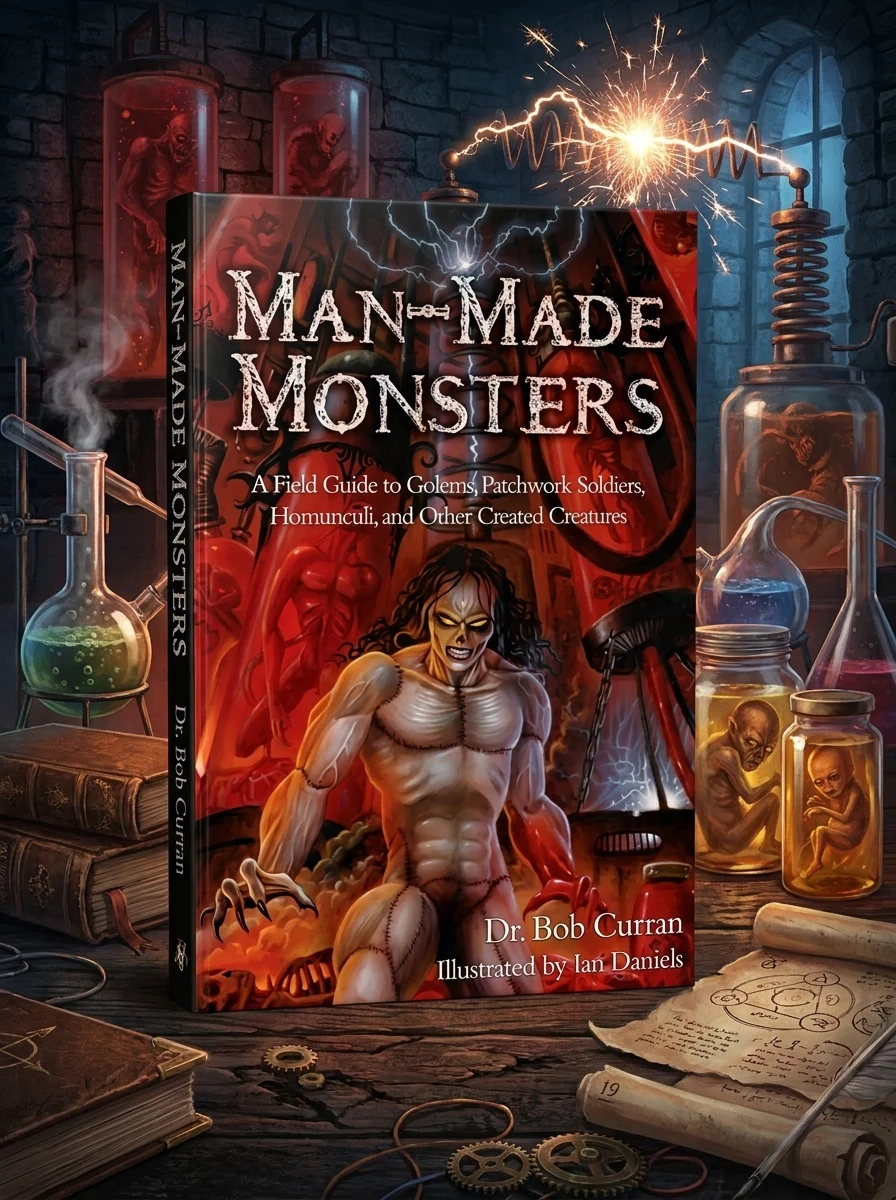
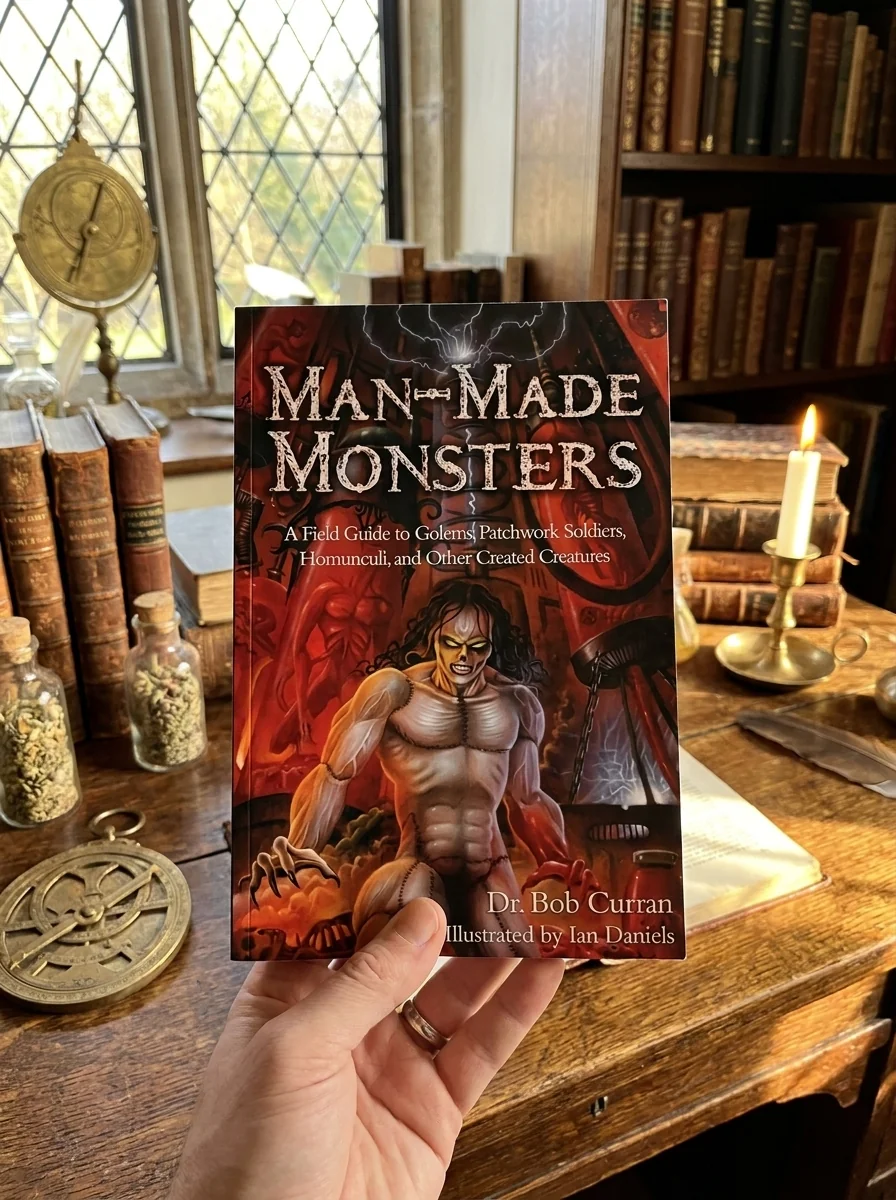
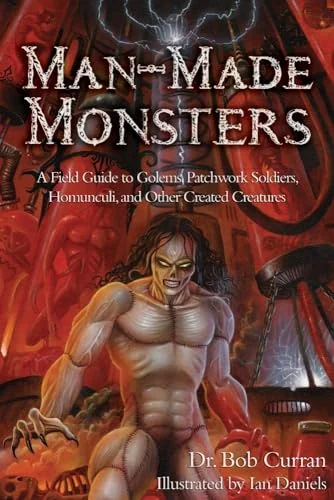
Man-Made Monsters: A Field Guide to Golems, Patchwork Solders, Homunculi, and Other Created Creatures
✍️ Curran Bob; , Daniels IanThis captivating volume delves into the shadowy realm of beings crafted by human hands, from the legendary Golem of Prague to the alchemists' elusive homunculi. Dr. Bob Curran meticulously separates ancient myth from speculative reality, examining historical accounts, folklore, and early scientific endeavors that dared to imitate life. Discover the inspiration behind literary giants like Frankenstein and ponder the chilling implications of modern artificial creation, offering a comprehensive exploration of humanity's enduring fascination with bringing the inanimate to life.


📝 Description: Man-Made Monsters: A Field Guide to Golems, Patchwork Solders, Homunculi, and Other Created Creatures
💎 Expert review
📖 Why choose it
Why this book is worth reading
Readers with a deep fascination for the shadowy intersection of magic, mythology, and early science will find this volume indispensable. It offers a unique lens through which to view humanity's enduring drive to create life, moving beyond simple horror tropes to explore the historical and philosophical underpinnings of golems, homunculi, and patchwork soldiers. By separating ancient myth from speculative reality, the book provides intellectual satisfaction for those curious about how human will has historically attempted to imitate creation. It is perfect for fans of literary history who want to understand the real-world inspirations behind famous fictional monsters and ponder the chilling implications of modern artificial creation.
⭐ Reader reviews
Reader rating
Curran and Daniels offer a meticulous examination of created creatures, effectively disentangling folklore from historical accounts. The book succeeds in mapping the lineage of beings born of human will, from Prague’s Golem to alchemical homunculi. However, it may not suit readers seeking pure fictional horror or those uninterested in the academic side of occult history. The tone is analytical rather than atmospheric, which might disappoint those expecting a narrative-driven ghost story. It is best for scholars and enthusiasts who appreciate rigorous historical context over sensationalism.
❓ Frequently asked questions
📖 Who should read this
For anyone captivated by the blurred lines between myth and science. If you're drawn to tales of artificial life, ancient secrets, or the chilling questions posed by playing creator, this book offers a fascinating journey into humanity's most ambitious and sometimes terrifying creations.
🎯 Key themes and symbolism
The Clay Colossus
Explore the enduring legend of the Golem, the silent sentinel of clay brought to life through mystical incantations. This section uncovers its origins in Jewish folklore, its purported historical manifestations in medieval Prague, and its profound symbolic significance regarding creation, obedience, and the potential for uncontrollable power when humanity plays god.
Alchemical Life Forms
Delve into the arcane practices of ancient alchemists and their pursuit of the homunculus, a miniature human created artificially. The book meticulously traces the historical and philosophical underpinnings of these bizarre experiments, revealing how early scientific curiosity intertwined with esoteric beliefs in the quest to replicate the very essence of life itself.
Modern Reanimation & Clones
Unpack the scientific and ethical dilemmas surrounding the artificial creation of life, bridging the gap from 19th-century reanimation experiments to contemporary cloning. This theme connects the Frankenstein narrative to real-world attempts at manipulating life, prompting reflection on where humanity's technological ambitions might lead in an increasingly complex biological landscape.
📜 Historical context
📚 Glossary
- Golem
- Homunculus
- Artificial Life
📔 Questions to reflect on
- If you could create a life form, what would its purpose be, and what ethical considerations would guide your decisions?
- How do the ancient myths of created beings, like the Golem, resonate with our modern anxieties about artificial intelligence or cloning?
- Reflect on the human impulse to create life: Is it an inherent drive, a search for control, or something else entirely?