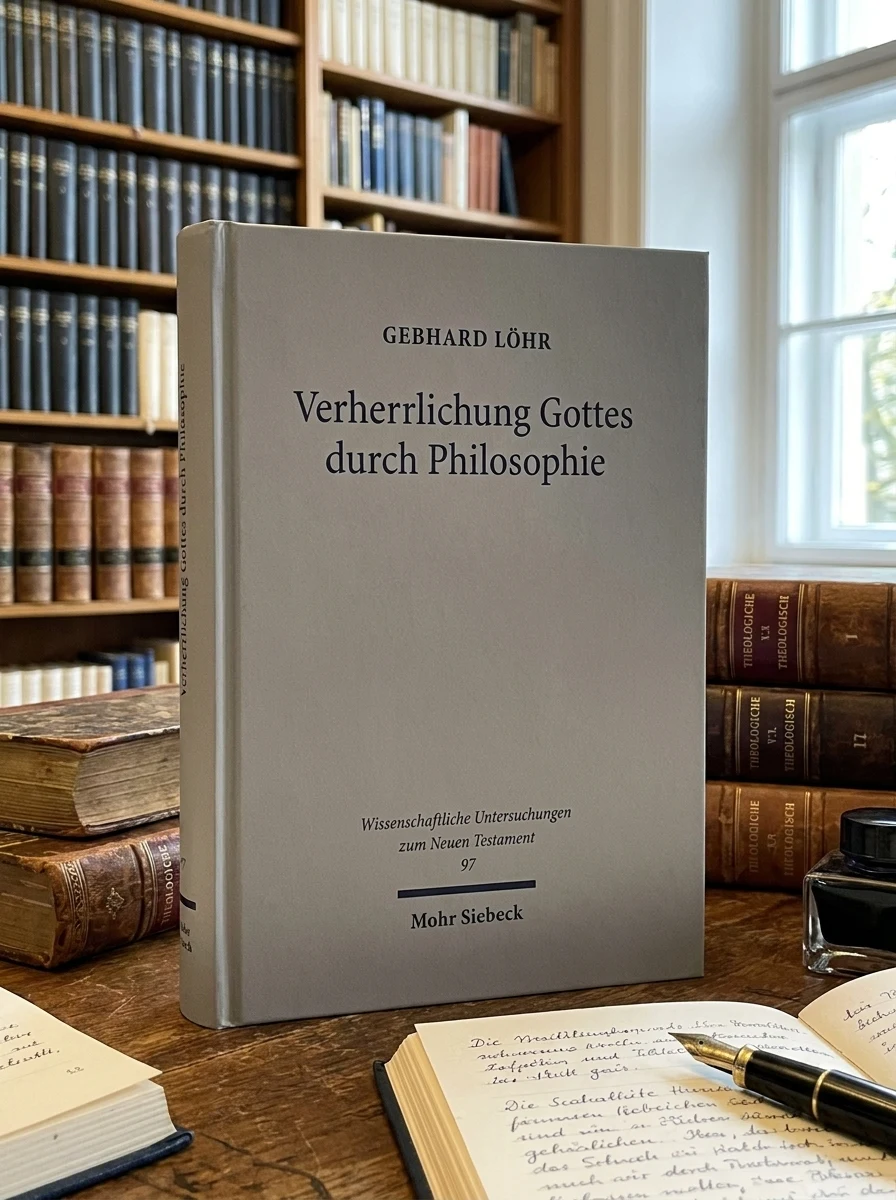
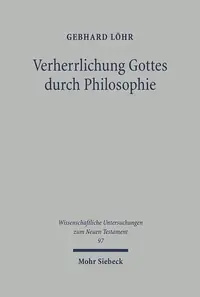
Verherrlichung Gottes Durch Philosophie: Der Hermetische Traktat II Im Rahmen Der Antiken Philosophie- Und Religionsgeschichte Lohr, Gebhard
 81
81
 Editorial score
How we rate
Editorial score
How we rate
This edition can be ordered. No arrival date is confirmed.
Unearth the ancient philosophical roots where Hermetic wisdom intertwined with divine glorification.
This scholarly volume meticulously excavates Hermetic Tractate II, examining its profound theological and philosophical implications. Gebhard Lohr masterfully positions this pivotal ancient text within the broader tapestry of Hellenistic thought, revealing its unique contribution to the concept of glorifying the divine through rational inquiry. The study further delves into the intricate connections and surprising parallels between Hermetic principles and the nascent doctrines of early Christianity, particularly as they manifest in New Testament interpretations. A rigorous academic exploration, it illuminates how esoteric traditions influenced, and were influenced by, mainstream religious discourse, offering a fresh perspective on spiritual history.
This scholarly volume situates Hermetic Tractate II within the broader tapestry of Hellenistic thought, exploring its theological implications and connections to nascent early Christian doctrines. It bridges ancient esoteric traditions with mainstream religious discourse through the lens of antique philosophy and religious history.


📝 Description: Verherrlichung Gottes Durch Philosophie: Der Hermetische Traktat II Im Rahmen Der Antiken Philosophie- Und Religionsgeschichte Lohr, Gebhard
💎 Expert review
📖 Why choose it
Why this book is worth reading
Scholars and enthusiasts of antique philosophy and religious history will find immense value in this rigorous academic exploration. It offers a fresh perspective on spiritual history by excavating the profound theological implications of Hermetic Tractate II. Readers interested in how esoteric traditions influenced mainstream religious discourse, particularly regarding divine glorification through rational inquiry, will appreciate Lohr’s meticulous examination. The book illuminates surprising parallels between Hermetic principles and early Christianity, providing a deeper understanding of Hellenistic thought's role in shaping theological concepts. It is essential for those seeking to understand the intersection of ancient wisdom and nascent Christian doctrines.
⭐ Reader reviews
Reader rating
Lohr presents a meticulous excavation of Hermetic Tractate II, masterfully positioning it within Hellenistic thought and its relation to early Christianity. The study rigorously examines how esoteric traditions influenced mainstream religious discourse, offering fresh insights into divine glorification through rational inquiry. While academically robust and illuminating for specialists in antique philosophy and religious history, this volume is not suited for casual readers or those seeking accessible introductions to Hermeticism. It demands a serious engagement with theological nuances and historical context. Those expecting popular esoteric guides will likely find its scholarly density prohibitive. However, for researchers tracing the intricate connections between ancient wisdom and nascent Christian doctrines, it provides an indispensable, albeit dense, resource.
❓ Frequently asked questions
📖 Who should read this
If you are drawn to the hidden currents of ancient philosophy, seeking to understand the intricate dialogue between Hermetic wisdom and early Christian thought, this rigorous academic journey awaits you. Delve deep into the intellectual bedrock of esoteric traditions and their profound impact on Western religious history.
🎯 Key themes and symbolism
Hermetic Theology Unveiled
This work meticulously dissects Hermetic Tractate II, revealing its intricate philosophical framework for understanding and glorifying the divine. Lohr explores how ancient thinkers conceptualized the transcendent through reason and contemplation, offering profound insight into the esoteric understanding of God's nature and humanity's place in the cosmos, moving beyond simplistic dogmas.
Ancient Philosophical Dialogues
The book contextualizes Hermetic thought within the rich intellectual landscape of antiquity, comparing and contrasting it with other prevailing philosophical schools. It examines how these diverse traditions grappled with questions of cosmology, ethics, and divinity, illustrating the vibrant exchange of ideas that shaped spiritual and intellectual development in the Hellenistic world, influencing subsequent Western thought.
Hermetism and Early Christianity
Lohr undertakes a critical examination of the often-overlooked intersections between Hermetic wisdom and the formative stages of Christian theology. The study investigates potential syncretic influences, shared conceptual frameworks, or parallel developments, particularly concerning New Testament interpretations. It provides a nuanced understanding of how esoteric ideas may have resonated with or challenged early Christian doctrine.
💬 Quotes from the book
“The glorification of God, as articulated in Hermetic Tractate II, transcends mere ritualistic praise, manifesting instead as an intellectual ascent towards ultimate unity, a philosophical endeavor to grasp the divine essence through contemplative reason.”
“Examining the subtle semantic fields shared between Hermetic cosmology and certain Pauline epistles reveals not necessarily direct dependence, but rather a compelling intellectual synchronicity within the Hellenistic spiritual landscape.”
📜 Historical context
📚 Glossary
- Hermetism
- Habilitationsschrift
- Tractate II
📔 Questions to reflect on
- How might the "glorification of God through philosophy" differ from traditional religious worship, and what implications does this hold for personal spiritual practice?
- Consider the concept of "ancient philosophy" as not just academic study, but a living path to divine understanding. How does Hermetic Tractate II exemplify this?
- If early Christianity and Hermetism shared conceptual landscapes, what does this suggest about the fluidity of spiritual ideas in antiquity, and how might it inform our understanding of religious evolution?
🏛 Books from this publisher Mohr Siebeck
All books from this publisher →
You might also like
See more → 91
91
 91
91