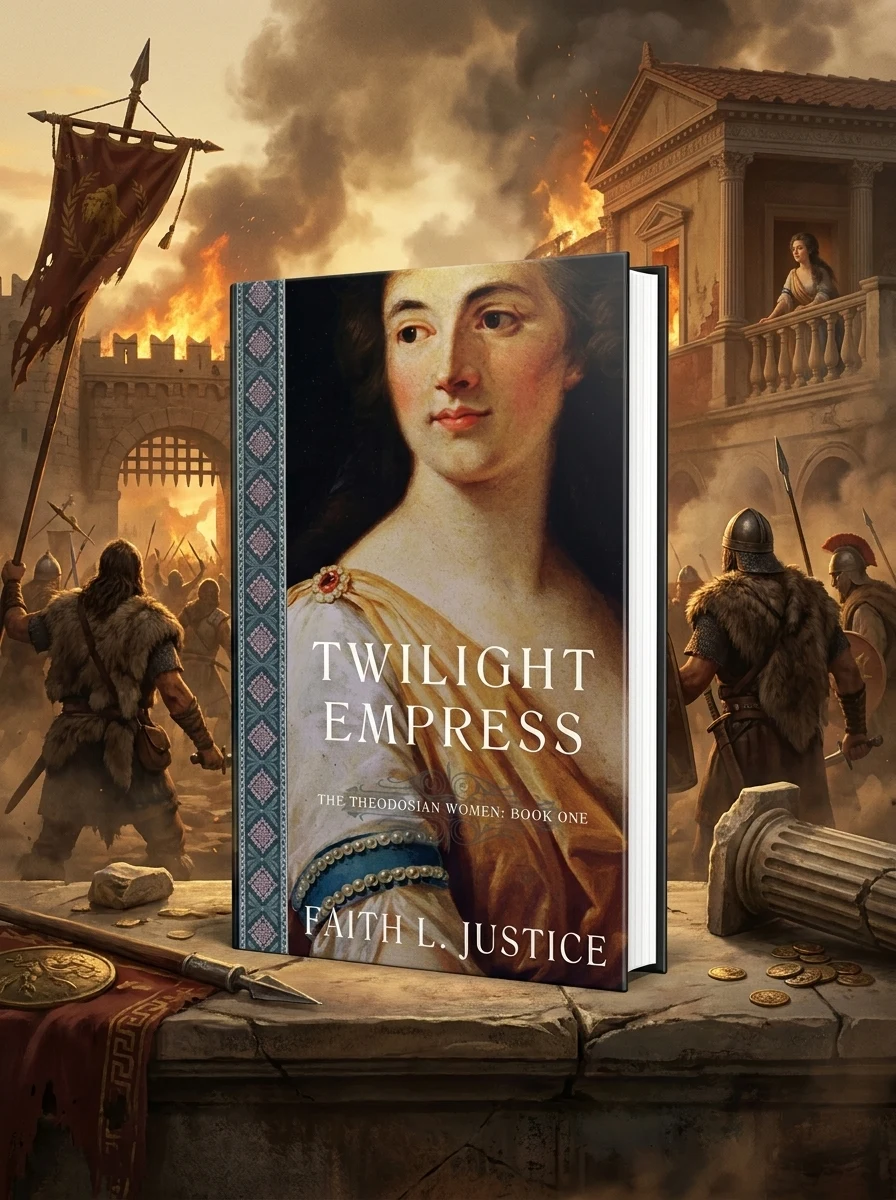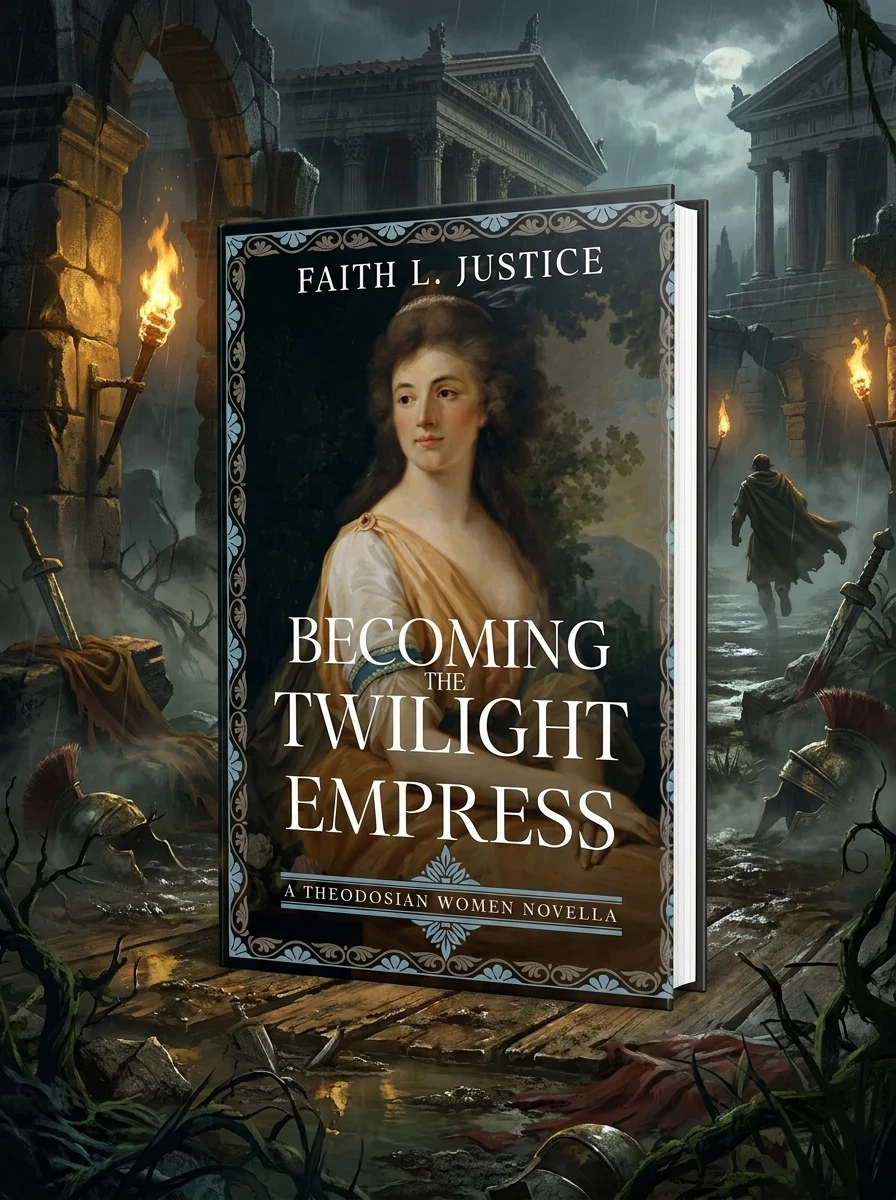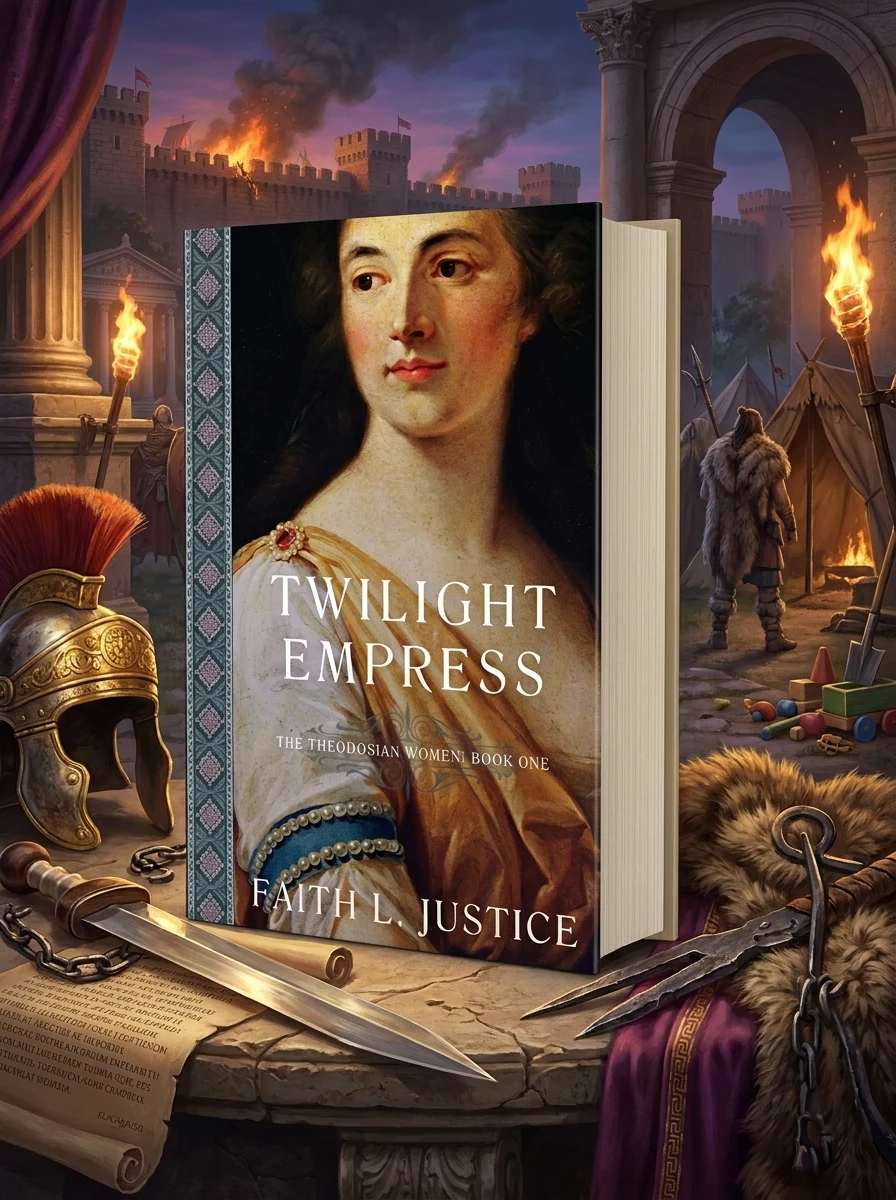

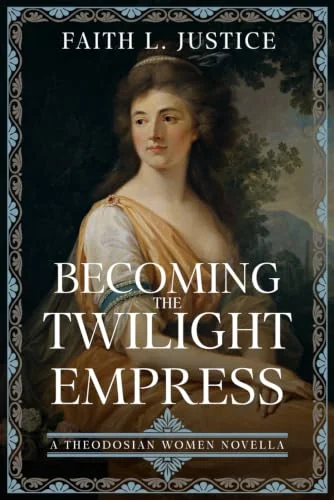
Twilight Empress: A Novel of Imperial Rome Justice, Faith L


Stock reported in the catalog; fulfillment is confirmed with your request.
Her ambition and intellect forged a new path amidst an empire's collapse.
Step into the tumultuous world of fifth-century Rome through the eyes of Galla Placidia, a woman of extraordinary resolve. When the Visigoths besiege Rome in 410 AD, Placidia, a princess of the imperial family, finds herself a pawn in a brutal power struggle. Captured and eventually married to a Visigothic king, she navigates treacherous political currents and cultural clashes. This sweeping narrative traces her journey from hostage to influential regent for her young son, chronicling her relentless fight to protect her family and preserve the crumbling Western Roman Empire against overwhelming odds, all while surrounded by ambitious men and shifting loyalties.
This novel sits within the tradition of historical fiction focusing on late antiquity and imperial Rome, specifically exploring the intersection of political power and female agency during periods of societal collapse. It aligns with esoteric interests by examining the spiritual and psychological resilience required to navigate faith and justice in a crumbling world.


📝 Description: Twilight Empress: A Novel of Imperial Rome Justice, Faith L
💎 Expert review
📖 Why choose it
Why this book is worth reading
Readers who crave complex female protagonists will find immense satisfaction in this narrative of Galla Placidia’s rise from hostage to regent. It is ideal for those fascinated by the intricate dynamics of fifth-century Rome and the visceral reality of political survival. The book offers a compelling look at how intellect and ambition can forge new paths amidst empire-wide collapse, appealing to history buffs who appreciate nuanced character studies over dry academic recitation. Those seeking stories of resilience against overwhelming odds and shifting loyalties will gain a profound appreciation for Placidia’s relentless fight to protect her family and preserve her heritage.
⭐ Reader reviews
Reader rating
This sweeping narrative effectively chronicles Galla Placidia's journey through the tumultuous Visigothic siege and subsequent political landscape. It succeeds in portraying a woman of extraordinary resolve navigating treacherous currents, making it a strong choice for enthusiasts of imperial drama. However, readers seeking lighthearted escapism or purely military-focused accounts may find the heavy emphasis on cultural clashes and political maneuvering tedious. It does not suit those who prefer romanticized, sanitized versions of history; this text embraces the brutal power struggles and ambiguous moralities of its era without flinching.
❓ Frequently asked questions
📖 Who should read this
If you are drawn to tales of formidable women who defy expectations, stories rich with historical detail and political intrigue, and narratives exploring personal strength against epic backdrops, this book is for you. It's an immersive experience for lovers of Roman history and character-driven sagas.
🎯 Key themes and symbolism
Female Political Power
This novel brilliantly illuminates how Placidia, despite societal constraints and the machinations of 'incapable men,' manipulates complex political landscapes. Her sharp intellect and unyielding drive allow her to exert significant influence, shaping the destiny of millions and demonstrating that power can be wielded from unexpected positions, even in a patriarchal age.
Cultural Clash & Integration
The narrative intricately explores the friction and eventual melding between the Roman world and the so-called 'barbarian' cultures, particularly through Placidia's forced and later chosen marriage to a Visigothic leader. It delves into the difficult choices faced by individuals caught between warring factions, highlighting how alliances and even affection can transcend traditional enmities.
Survival Amidst Imperial Decline
Set against the backdrop of the Western Roman Empire's fragmentation, the book portrays Placidia's personal and political struggle for survival. It examines her tenacious efforts to safeguard her people, her family, and the imperial legacy in an era of crumbling authority, constant invasion, and betrayals, offering a poignant look at resilience during catastrophic change.
💬 Quotes from the book
“The stability of an empire, I discovered, often rested on the precarious balance of a woman's will against a thousand conspiring swords.”
“To embrace the so-called barbarian was not capitulation, but a strategic alliance forged in the crucible of survival, where love, surprisingly, sometimes found its unexpected footing.”
📜 Historical context
📚 Glossary
- Regent
- Visigoth
- Sack of Rome (410 AD)
📔 Questions to reflect on
- Consider how Placidia's personal choices and relationships ultimately impact the fate of an empire. How do you see individual decisions shaping larger historical or societal outcomes?
- The book explores loyalty and betrayal in times of extreme political upheaval. What does loyalty truly mean when central authority falters and new powers emerge?
- Placidia redefines her role as a woman in power during a male-dominated era. Reflect on societal expectations you have challenged or observed being challenged in your own life or contemporary society.
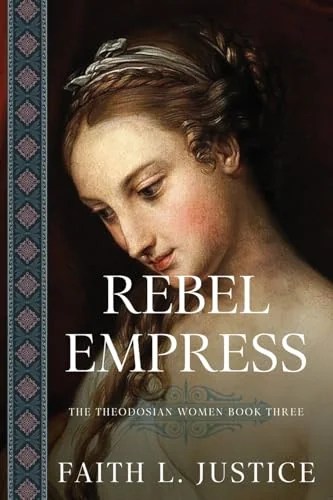
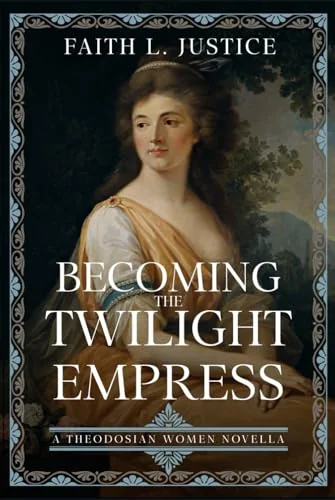
📖 From the series “The Theodosian Women”
All books in the series →
🏛 Books from this publisher Raggedy Moon Books
All books from this publisher →


You might also like
See more →