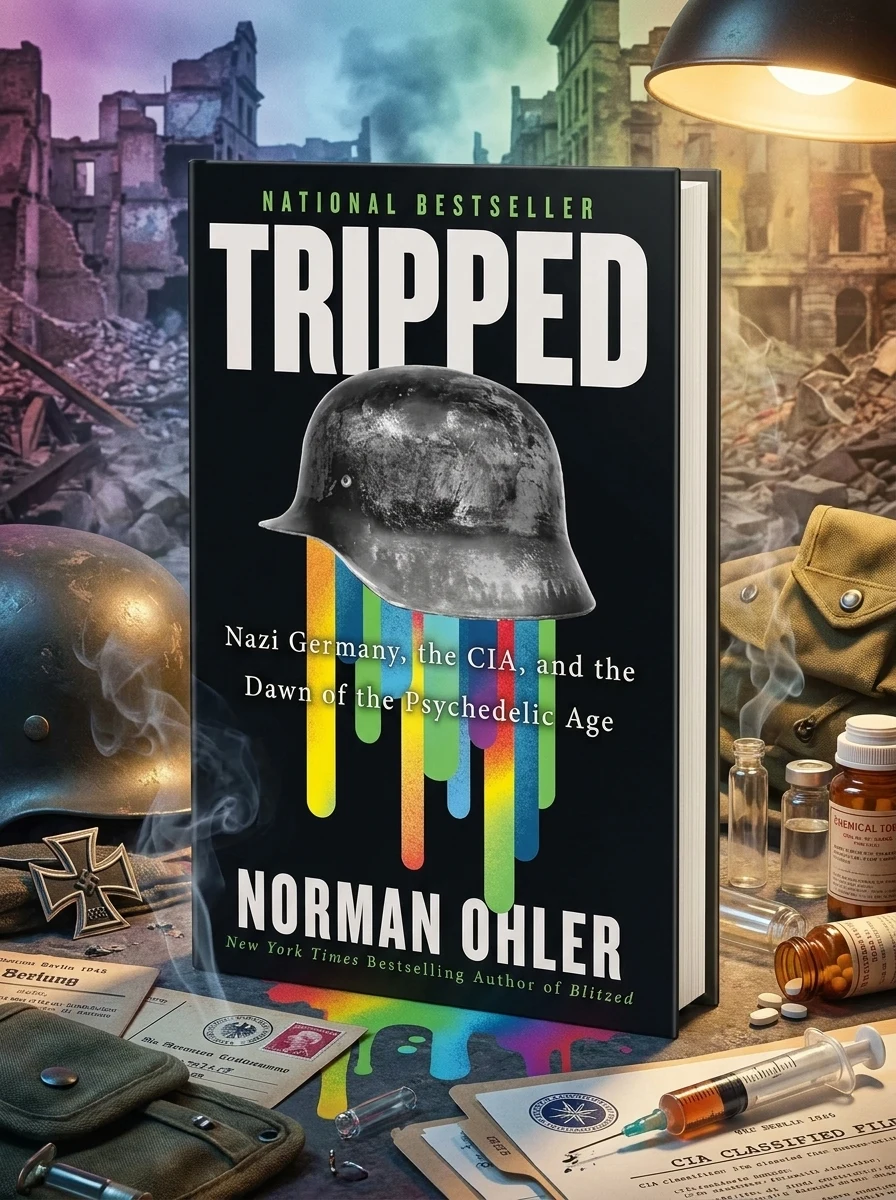
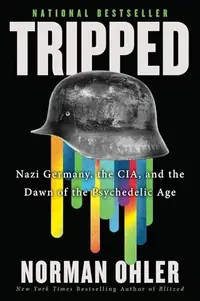
Tripped: Nazi Germany, the Cia, and the Dawn of the Psychedelic Age
Stock reported in the catalog; fulfillment is confirmed with your request.
Uncover the hidden threads connecting Nazi drug research to the CIA and the War on Drugs.
Following the fall of Berlin in 1945, a fascinating and unsettling story unfolds as Allied powers grapple with the Third Reich's drug policies. This meticulously researched account reveals how American intelligence, particularly the nascent Federal Bureau of Narcotics and later the CIA, became fixated on Nazi experiments with psychedelics. Author Norman Ohler brilliantly traces this obscure lineage, demonstrating how these wartime investigations into mind-altering substances subtly influenced early Cold War espionage and ultimately shaped America's approach to drug control, giving birth to the psychedelic age and the War on Drugs.
This work sits at the intersection of historical non-fiction and countercultural lore, exploring the clandestine lineage between fascist pharmacology and modern American intelligence operations. It bridges the gap between academic history and the mythos surrounding the origins of the psychedelic movement.


📝 Description: Tripped: Nazi Germany, the Cia, and the Dawn of the Psychedelic Age
💎 Expert review
📖 Why choose it
Why this book is worth reading
Readers fascinated by the shadowy intersections of history, science, and politics will find this book an irresistible journey into the unknown. If you are intrigued by how wartime secrets shaped modern culture, particularly the sudden emergence of psychedelic awareness and the complex origins of drug policy, this text offers a compelling narrative. It appeals to those who enjoy meticulous research revealing hidden connections between seemingly disparate events. The story of how Nazi experiments influenced Allied intelligence provides a unique lens through which to view the dawn of the psychedelic age and the subsequent War on Drugs, making it essential for anyone seeking to understand the deep roots of contemporary substance debates.
⭐ Reader reviews
Reader rating
Ohler delivers a meticulously researched account that connects Nazi drug research to CIA activities and the War on Drugs. While the premise is intriguing and the historical investigation is thorough, the book may not suit readers seeking straightforward biographical narratives or those uncomfortable with speculative historical linkages. It is best for those who enjoy deep dives into obscure historical threads rather than broad overviews. The narrative focuses heavily on intelligence fixations and policy shifts, which might feel dry to casual readers preferring more action-oriented histories of the era.
❓ Frequently asked questions
📖 Who should read this
If you're drawn to the shadowy corners of history, governmental secrets, or the surprising origins of modern drug policy, this compelling narrative awaits you. It’s perfect for those who question official narratives and seek a deeper understanding of the forces that shaped the 20th century.
🎯 Key themes and symbolism
Nazi Mind Control Programs
The book meticulously details the Third Reich's clandestine efforts to weaponize psychoactive substances. From the desperate search for a 'truth serum' to broader attempts at manipulating consciousness, Ohler illuminates how Nazi scientists explored the dark potential of psychedelics, laying groundwork that would later intrigue Allied intelligence agencies.
CIA's Covert Legacy
Explore how the Central Intelligence Agency, in its early, shadowy days, appropriated and expanded upon these Nazi drug research programs. Driven by Cold War anxieties and the quest for new forms of interrogation and control, the CIA's secret experiments with psychedelics became a defining, yet hidden, chapter in American intelligence history, with far-reaching consequences.
Origins of Drug Policy
Discover the surprising and often disturbing historical foundations of modern drug enforcement. This work reveals how the post-war fascination with psychoactive compounds, stemming from both Allied observations of Nazi practices and their own subsequent research, unexpectedly influenced the burgeoning 'War on Drugs' and the societal understanding of psychedelics.
💬 Quotes from the book
“The echoes of wartime experimentation resonated far into the Cold War, shaping policies we still grapple with today, often without realizing their dark origins.”
“Behind the Iron Curtain, and within the halls of American intelligence, the quest for mind-altering advantage became a clandestine arms race, with human consciousness as its battleground.”
📜 Historical context
📚 Glossary
- Entheogens
- Federal Bureau of Narcotics
- Truth Serum
📔 Questions to reflect on
- How might the hidden influence of wartime drug research continue to shape contemporary societal views and policies surrounding psychedelics?
- Consider the ethical implications of using psychoactive substances for state-sponsored objectives, both in the past and in any potential future scenarios.
- Reflect on how historical narratives, often presented as linear and straightforward, are frequently complicated by covert operations and unexpected, unsettling connections.
🏛 Books from this publisher Mariner Books
All books from this publisher →


You might also like
See more →



 91
91