US shipping Secure card payment Occult and esoteric books

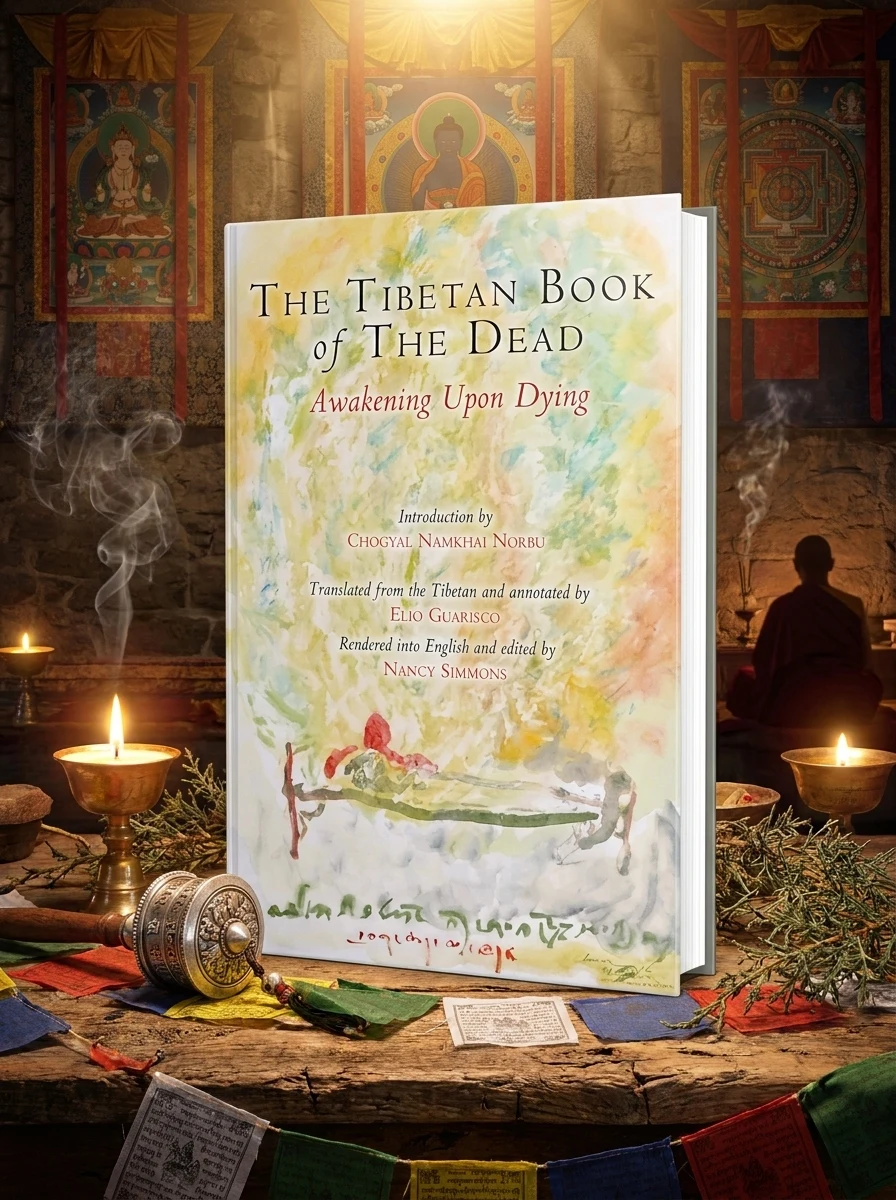
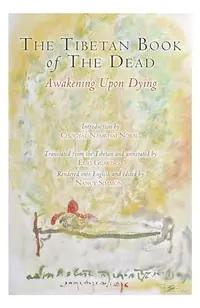
The Tibetan Book of the Dead: Awakening Upon Dying

Padmasambhava; , Lingpa, Karma; , Guarisco, Elio; , Namkhai Norbu, Chogyal; , Simmons, Nancy
Reader rating
4.6
(1 reviews) 89 sold
Availability to be confirmed

This edition can be ordered. No arrival date is confirmed.

📚 ABOUT THE BOOK

Journey beyond the veil: a timeless guide for the soul's ultimate passage.

This profound new edition of *The Tibetan Book of the Dead*, also known as *The Great Liberation through Hearing*, offers a vital roadmap for navigating the journey between lifetimes. Featuring insightful commentary from Dzogchen master Chögyal Namkhai Norbu, this translation incorporates recent textual discoveries, illuminating previously obscure passages. It serves as both a historical treasure and a practical spiritual manual, guiding the consciousness of the deceased or dying toward ultimate freedom during the bardo state.

Key themes
Liberation Through Hearing Ancient Wisdom Revealed
Historical context

This text originates from the Tibetan Buddhist tradition of Dzogchen, specifically within the Vajrayana lineage associated with Padmasambhava and the terma revelations of Karma Lingpa. It represents a cornerstone of esoteric teachings regarding consciousness and liberation during the transitional bardo state.


Difficulty
●●● Demanding
Fans will love it
Dzogchen practitioners · Comparative mysticism scholars · Tibetan Buddhism students · Death and dying counselors
🕯️ Occult Philosophy
🏛 North Atlantic Books 📅 2013 📖 320 pages 📔 Paperback 📐 Paperback ISBN: 9781583945551
Fun fact
This latest translation breathes new life into a cornerstone of esoteric literature, offering unparalleled clarity. Namkhai Norbu's insights are invaluable, grounding the ancient wisdom. While essential for serious students of Tibetan Buddhism, those seeking a simple, comforting message about the afterlife might find its detailed descriptions of the bardo challenging. It excels as a profound spiritual guide for navigating the ultimate transition, solidifying its place as a crucial text in consciousness studies.

📝 Description: The Tibetan Book of the Dead: Awakening Upon Dying

The Tibetan Book of the Dead: Awakening Upon Dying, with introductory commentary by Dzogchen Buddhist master Chögyal Namkhai Norbu, is a new translation of the ancient text also known as The Great Liberation through Hearing in the Intermediate State. Both a practical guide and intriguing historical, cultural, and spiritual document, this new version incorporates recent discoveries that have allowed for a better translation of previously ambiguous passages. Revealing a set of instructions designed to facilitate the inner liberation of the dead or dying person, the book provides a guide to navigating the bardo--the interval between death and rebirth. Originally composed by Padmasambhava, an important Indian master of the eighth century, the Tibetan Book of the Dead was concealed in Tibet until it was discovered in the fourteenth century by Karma Lingpa, a famous Tibetan tertön (discoverer of ancient texts). Describing in detail the characteristics and fantastic visions of each stage beyond death, the book includes invocations to be read aloud to the dying person, to help his or her successful journey toward the stage of liberation. Chögyal Namkhai Norbu's introduction clarifies the texts from the Dzogchen point of view and provides a scholarly summary of the ancient material based on his oral teachings and written works. In addition, material from several of Namkhai Norbu's more recent written works and oral teachers have been added, including an essay on the four intermediate states after death entitled Birth, Life, and Death. A full-color 16-page insert of traditional Tibetan art highlights Tibet's unique aesthetic wisdom.

💎 Expert review

💎
Esoterica Books editorial team
Occult literature desk
While this new edition provides a compelling synthesis of historical texts and modern Dzogchen commentary, it is not suitable for casual readers seeking light entertainment or simple self-help advice. The material demands serious engagement with complex metaphysical concepts specific to Tibetan Buddhism. Those uninterested in esoteric philosophy or the intricacies of the bardo state may find the content dense and inaccessible. However, for dedicated students of the occult and esoteric traditions, it remains an indispensable resource for understanding the mechanics of spiritual liberation and the profound depth of the soul's final journey.
✓ EDITOR'S REVIEW

📖 Why choose it

📖

Why this book is worth reading

This edition serves as a vital roadmap for the soul's ultimate passage, offering profound guidance for navigating the journey between lifetimes. It is particularly valuable for those seeking to understand the bardo state through the lens of Dzogchen mastery. The inclusion of commentary by Chögyal Namkhai Norbu and recent textual discoveries illuminates obscure passages, making it both a historical treasure and a practical manual. Readers interested in spiritual liberation and the mechanics of consciousness will find this work essential for its timely insights into the soul's journey beyond the veil.

⭐ Reader reviews

The starting rating comes from the team Esoterica Books —
⭐ Esoterica editorial review Editorial rating 4.6/5
★★★★
If you are drawn to the profound mysteries of consciousness, death, and rebirth, or if you seek a practical spiritual guide for life's ultimate transition, this book is essential. It offers deep insights for students of Buddhism, philosophy, and anyone contemplating the nature of existence beyond…

Reader rating

4.6
Based on 1 reviews
5
0
4
1
3
0
2
0
1
0
E
Esoterica Books editorial team

While this new edition provides a compelling synthesis of historical texts and modern Dzogchen commentary, it is not suitable for casual readers seeking light entertainment or simple self-help advice. The material demands serious engagement with complex metaphysical concepts specific to Tibetan Buddhism. Those uninterested in esoteric philosophy or the intricacies of the bardo state may find the content dense and inaccessible. However, for dedicated students of the occult and esoteric traditions, it remains an indispensable resource for understanding the mechanics of spiritual liberation and the profound depth of the soul's final journey.

❓ Frequently asked questions

The bardo refers to the intermediate state or transitional period between death and rebirth, where consciousness undergoes various experiences and has opportunities for liberation.
This edition incorporates recent textual discoveries and scholarly insights, leading to a clearer and more accurate rendition of previously ambiguous passages, enhancing its accessibility and profound impact.

📖 Who should read this

If you are drawn to the profound mysteries of consciousness, death, and rebirth, or if you seek a practical spiritual guide for life's ultimate transition, this book is essential. It offers deep insights for students of Buddhism, philosophy, and anyone contemplating the nature of existence beyond the physical.

🎯 Key themes and symbolism

Liberation Through Hearing

Central to the text is the practice of reading aloud specific passages to the dying or recently deceased. This auditory guidance aims to awaken the individual to the true nature of reality, helping them recognize the illusory nature of terrifying visions and embrace the opportunity for spiritual awakening at the moment of transition.

Ancient Wisdom Revealed

Originally composed by the revered Indian master Padmasambhava in the 8th century, this sacred text remained hidden for centuries. Its eventual discovery by the tertön Karma Lingpa in the 14th century brought forth profound teachings that illuminate Tibetan Buddhist perspectives on death, consciousness, and the path to ultimate freedom.

💬 Quotes from the book

“O noble one, though the pathway of death has now dawned upon thee, recognize the clear light of emptiness, your true nature, free from all arising and ceasing.”

“Do not be afraid of the wrathful deities that manifest, for they are but the projections of thine own mind, devoid of true substance.”

📜 Historical context

The work's origins trace back to the 8th-century master Padmasambhava, who concealed these teachings as 'terma' for future generations. Rediscovered in the 14th century by Karma Lingpa, a renowned tertön, it became a foundational text in Tibetan Buddhism, offering a unique spiritual technology for navigating the post-mortem state based on centuries of esoteric wisdom.

📚 Glossary

Bardo
Tertön
Dzogchen

📔 Questions to reflect on

  1. How does the concept of the 'bardo' challenge or affirm your current understanding of death and the afterlife?
  2. Reflect on the idea of 'liberation through hearing.' How might spoken words or intentions influence a transitional state?
  3. If your consciousness were to navigate an intermediate state, what spiritual or philosophical principles would you wish to recall or be reminded of?

🏛 Books from this publisher North Atlantic Books

All books from this publisher →
You might also like

See more →