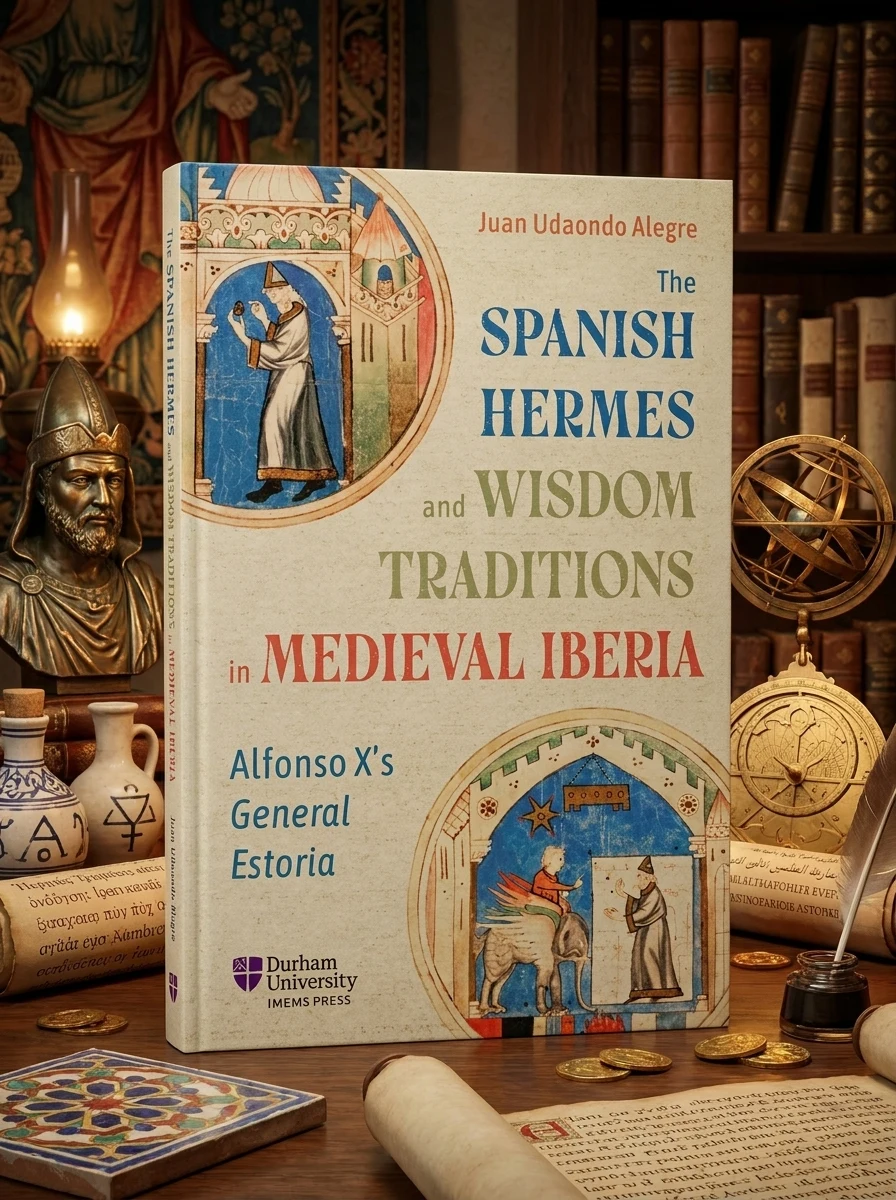
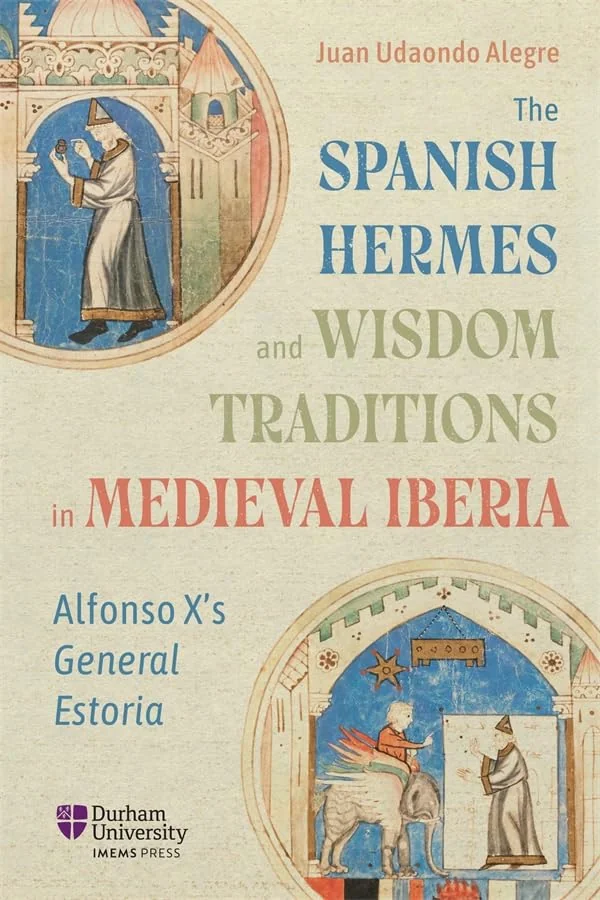
The Spanish Hermes and Wisdom Traditions in Medieval Iberia: Alfonso X's General Estoria - Ingram Academic Alegre, Juan Udaondo
Juan Udaondo Alegre's insightful work illuminates the Castilian Hermes, the pioneering rendition of Hermetic wisdom into a Romance language. This study delves into how the revered teachings of Hermes Trismegistus, a syncretic figure of Greek and Egyptian wisdom, permeated medieval Iberia. It meticulously traces the journey of these ancient philosophical and spiritual systems, encompassing alchemy, magic, and astrology, as they inspired a diverse tapestry of Christian, Arabic, and Jewish scholars. The book highlights the unique cultural convergence that made Iberia a crucible for such profound intellectual cross-pollination.
📝 Description: The Spanish Hermes and Wisdom Traditions in Medieval Iberia: Alfonso X's General Estoria - Ingram Academic Alegre, Juan Udaondo
💎 Expert review
📖 Why choose it
Why this book is worth reading
This book is an essential discovery for scholars and enthusiasts of esoteric history who wish to understand the hidden currents of medieval Iberian intellect. It offers a unique window into how ancient Egyptian and Greek wisdom was preserved and transformed by diverse cultural groups. Readers interested in the transmission of alchemical, magical, and astrological knowledge will find immense value in tracing the Castilian Hermes. The work illuminates the vibrant cross-pollination that defined the region, making it indispensable for anyone studying the roots of Western occult traditions and their linguistic evolution.
⭐ Reader reviews
Reader rating
Aguerre Udaondo provides a meticulous academic examination of the General Estoria's role in transmitting Hermetic teachings. While intellectually rigorous and historically significant, this text is strictly for those with a strong background in medieval studies or comparative religion. It will likely alienate casual readers seeking narrative adventure or accessible spiritual guidance. The dense focus on linguistic translation and philosophical syncretism demands patience. However, for the dedicated researcher of esoteric lineages, it stands as a crucial primary source analysis that fills a notable gap in understanding Iberian intellectual history.
❓ Frequently asked questions
📖 Who should read this
If you're fascinated by the transmission of ancient wisdom, the vibrant intellectual tapestry of medieval Iberia, or the evolution of Hermetic traditions, this book offers a unique perspective. It’s essential reading for anyone interested in the cross-cultural currents that shaped European thought.
🎯 Key themes and symbolism
Translating Ancient Wisdom
This work explores the intricate process of rendering the Hermetica, a collection of diverse philosophical and spiritual texts, into Castilian. It examines the nuances of linguistic and conceptual adaptation required to bridge ancient Hellenistic and Egyptian thought with medieval Iberian understanding, marking a significant milestone for Romance languages.
Iberian Intellectual Crossroads
The book showcases medieval Iberia as a dynamic hub where Christian, Arabic, and Jewish scholars converged. It reveals how the Hermetic tradition served as a unifying intellectual current, fostering an extraordinary environment of shared knowledge and philosophical inquiry across distinct cultural and religious boundaries.
Enduring Hermetic Legacy
Alegre demonstrates the profound and far-reaching impact of Hermes Trismegistus’s attributed writings on medieval thought. It details how these systems, encompassing subjects like alchemy, magic, and astrology, provided philosophical and spiritual inspiration that shaped the intellectual landscape of the Iberian Peninsula for centuries.
💬 Quotes from the book
“The Castilian rendition was not merely a linguistic transfer, but a profound re-contextualization, allowing ancient cosmic principles to resonate within the burgeoning intellectual frameworks of medieval Iberia.”
“Hermes Trismegistus, in his Iberian guise, became a silent conduit, uniting disparate scholarly traditions—Christian, Jewish, and Muslim—under the banner of a shared philosophical quest.”
📜 Historical context
📚 Glossary
- Hermes Trismegistus
- Hermetica
- Castilian Hermes
📔 Questions to reflect on
- How might the act of translating ancient esoteric texts into a new language fundamentally alter or reframe their meaning for a different culture?
- Consider the unique intellectual environment of medieval Iberia. What conditions allowed for such significant cross-cultural philosophical exchange around figures like Hermes?
- What parallels can you draw between the medieval integration of diverse wisdom traditions and contemporary efforts to synthesize knowledge across different disciplines or cultures?