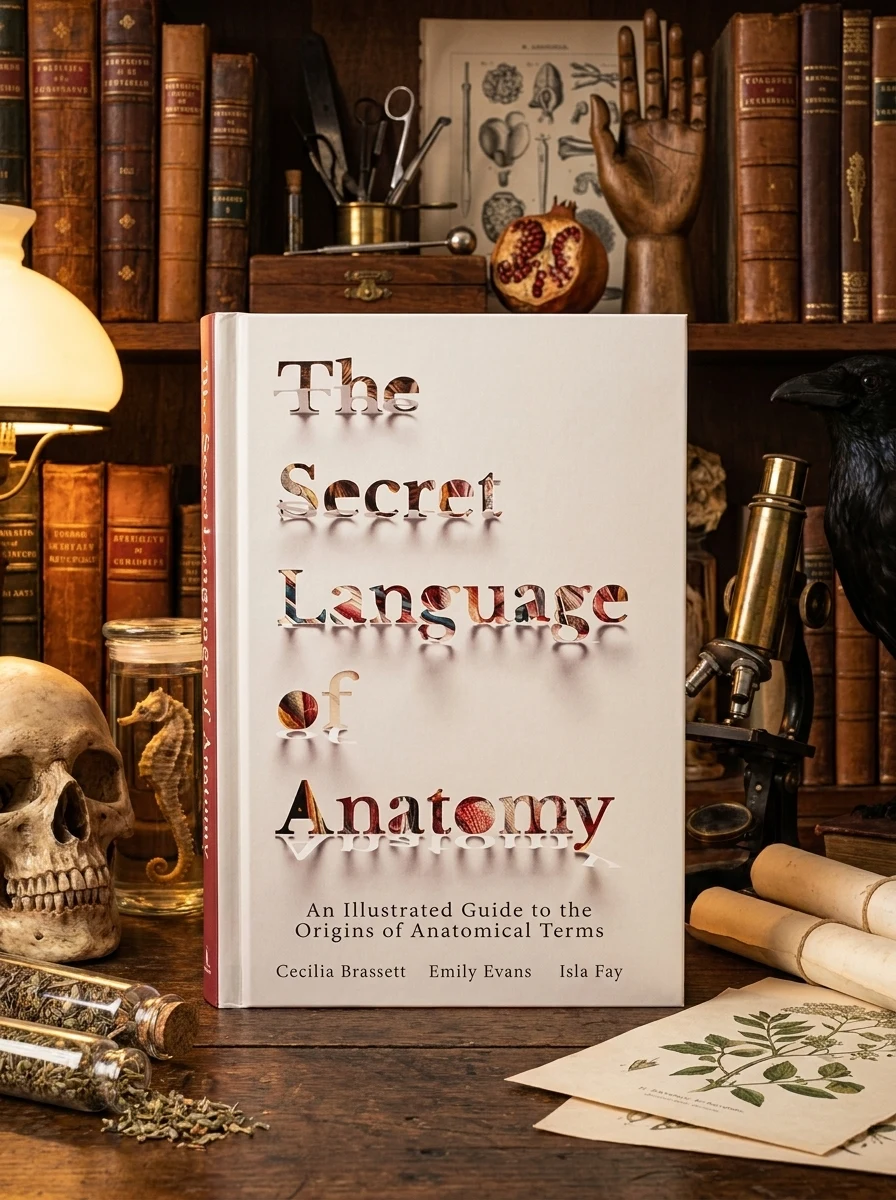
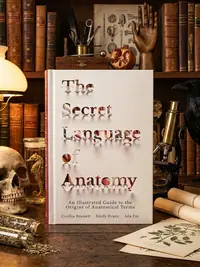
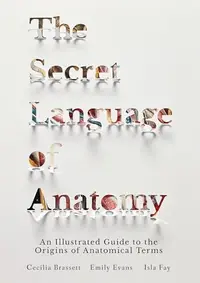
The Secret Language of Anatomy: An Illustrated Guide to the Origins of Anatomical Terms


This edition can be ordered. No arrival date is confirmed.
Uncover the hidden lexicon of the human form, where every bone whispers tales of its ancient origins.
This beautifully illustrated compendium delves into the esoteric origins of anatomical terminology, unveiling the fascinating connections between human physiology and the natural world. Discover how over 150 body parts were named after animals, plants, and everyday objects, revealing a secret language etched within our very being. More than a mere reference, it's an initiation into the poetic logic behind medical nomenclature, enhanced by stunning visuals that illuminate these forgotten linkages, decoding patterns throughout the body.
This work bridges the gap between historical medical nomenclature and esoteric philosophy, appealing to those interested in the symbolic language of the human form within the occult tradition.


📝 Description: The Secret Language of Anatomy: An Illustrated Guide to the Origins of Anatomical Terms
💎 Expert review
📖 Why choose it
Why this book is worth reading
Readers fascinated by the poetic logic behind scientific classification will find profound joy in this beautifully illustrated compendium. It serves as an initiation into the hidden lexicon of anatomy, revealing how every bone and organ whispers tales of ancient origins. Those who appreciate the intersection of physiology, nature, and mythology will gain a deeper appreciation for the secret language etched within our being. The stunning visuals make complex connections accessible, transforming a reference guide into a captivating journey through the natural world's influence on human terminology.
⭐ Reader reviews
Reader rating
While visually stunning and intellectually stimulating for those drawn to esoteric connections, this book may not suit readers seeking rigorous academic rigor or purely clinical anatomical studies. It is less a medical textbook and more a philosophical exploration of nomenclature. Skeptics of symbolic interpretation might find the 'secret language' aspect too whimsical or lacking in hard scientific data. However, for those open to the idea that anatomy holds poetic truths beyond mere function, it offers a refreshing and enlightening perspective on the body as a map of natural history.
❓ Frequently asked questions
📖 Who should read this
If you're drawn to the hidden meanings in language, a student seeking a deeper understanding of human biology, or a practitioner looking to rekindle a sense of wonder, this volume offers a unique perspective on the body's silent narratives. A truly enlightening read for the curious mind.
🎯 Key themes and symbolism
Etymological Body Map
Explore the intricate tapestry of medical language, tracing the roots of anatomical terms back to their surprising origins in nature and myth. This book deciphers how ancient observers categorized and named the body, revealing patterns often overlooked in modern scientific study and making complex terms more memorable.
Visualizing Inner Worlds
Experience the body's structures through a unique visual lens. Striking illustrations accompany each term, making abstract medical concepts tangible and memorable by depicting the very animal, plant, or object that inspired its name, fostering deeper understanding and connecting form to function.
Nature's Echo in Flesh
Understand the profound, often poetic, relationship between human anatomy and the broader natural world. This work highlights how our organs and tissues silently echo forms found in flora, fauna, and common items, bridging the perceived gap between humanity and the environment, revealing our shared heritage.
💬 Quotes from the book
“Every bone, every vessel, every muscle carries not just its function, but the ghost of its namesake – a silent testament to the ancient eye that first saw a serpent in a winding nerve, or a crown in a cranial suture.”
“To speak of the 'hippocampus' is not merely to identify a brain structure, but to invoke the sea-horse it so strikingly resembles, blurring the lines between inner landscape and outer ocean, making the obscure vivid.”
📜 Historical context
📚 Glossary
- Etymology
- Anthropomorphism
- Toponymic
📔 Questions to reflect on
- Consider a common anatomical term you know. What hidden connections or meanings might its name subtly convey that you've never considered before?
- If you were an ancient anatomist, what natural objects or phenomena would you use to describe intricate body parts, and why?
- How does understanding the etymology of anatomical terms change your perception of the human body as a whole, perhaps revealing it as a microcosm?
🏛 Books from this publisher North Atlantic Books
All books from this publisher →




You might also like
See more →