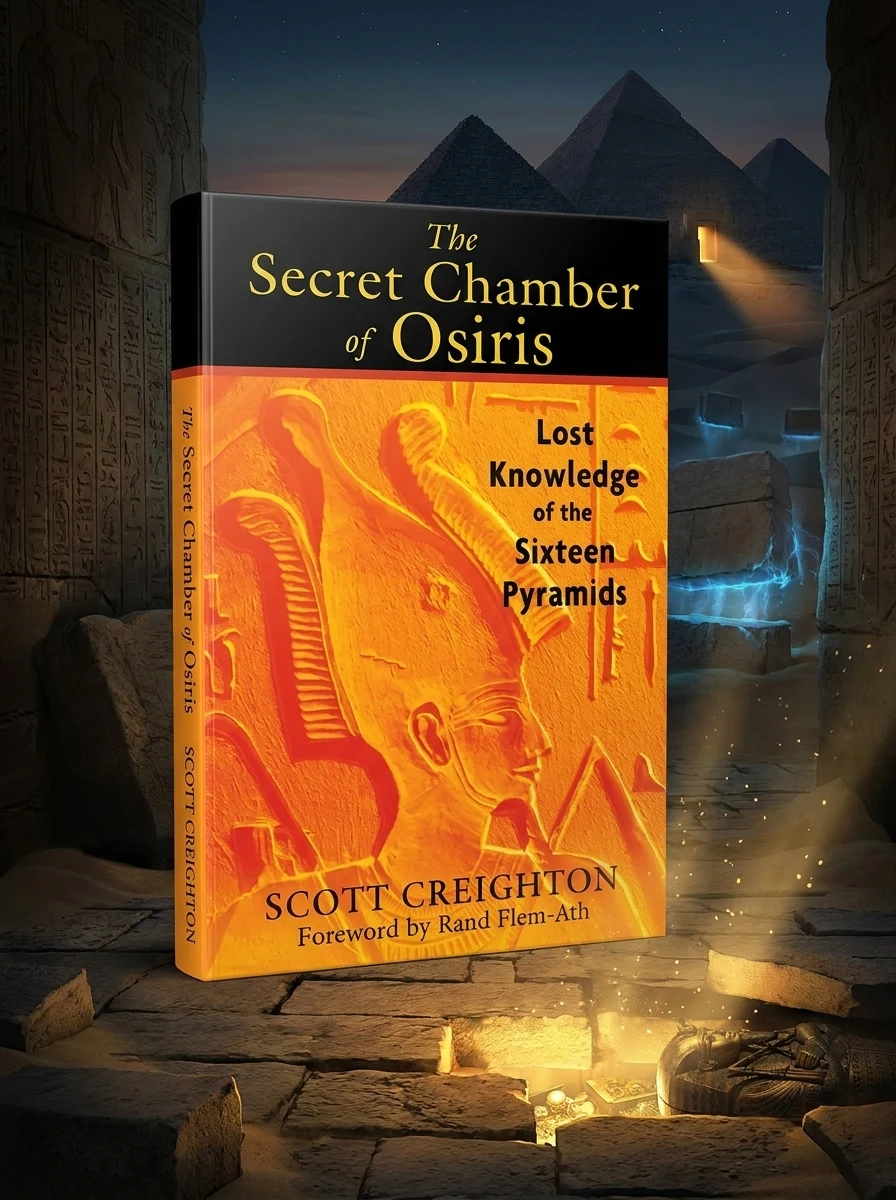
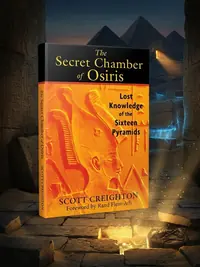
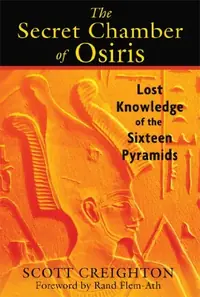
The Secret Chamber of Osiris: Lost Knowledge of the Sixteen Pyramids


This edition can be ordered. No arrival date is confirmed.
Uncover Giza's true purpose: a hidden chamber holding ancient Egypt's recovery secrets.
This intriguing volume challenges conventional Egyptology, positing that the iconic Giza pyramids were never mere pharaonic tombs. Instead, author Scott Creighton presents a compelling case for their function as pre-cataclysmic recovery vaults, designed to safeguard civilization's essentials against an anticipated global flood. He meticulously details how the initial sixteen pyramids embody the mythic "dismembered Osiris," leading to the revelation of a profound, hidden underground chamber. This secret repository, according to Creighton, held the most vital knowledge and artifacts, ensuring humanity could reconstruct its culture and knowledge following the "Deluge of Thoth."
This work resides within the tradition of alternative Egyptology and esoteric history, challenging mainstream archaeological consensus by integrating myth with geological catastrophe narratives. It aligns with New Age speculative literature that seeks hidden meanings in ancient monuments.


📝 Description: The Secret Chamber of Osiris: Lost Knowledge of the Sixteen Pyramids
💎 Expert review
📖 Why choose it
Why this book is worth reading
Readers fascinated by the mysteries of ancient Egypt and skeptical of traditional historical narratives will find this book deeply engaging. Scott Creighton offers a compelling alternative perspective, inviting you to view the Giza pyramids not as tombs but as sophisticated recovery vaults designed to preserve civilization after a catastrophic flood. If you enjoy speculative history that weaves together mythology, architecture, and esoteric knowledge, this volume provides a rich tapestry of ideas. It is perfect for those who appreciate detailed arguments challenging established facts and exploring the potential significance of lost chambers and ancient wisdom. Join Creighton in uncovering the hidden purpose behind these iconic structures and consider how they might hold the keys to humanity's past resilience and future reconstruction.
⭐ Reader reviews
Reader rating
This book presents a bold, unconventional thesis regarding the Giza pyramids, framing them as pre-cataclysmic recovery vaults rather than royal tombs. Creighton’s meticulous detailing of the sixteen pyramids as symbols of Osiris creates a compelling, albeit highly speculative, narrative. However, it is essential to note that this work does not suit readers seeking empirically verified archaeological evidence or mainstream Egyptological perspectives. Those who prefer rigorous academic analysis over esoteric interpretation may find the reliance on myth and alternative history frustrating. It is best approached as a thought-provoking exploration of hidden knowledge rather than factual history, appealing primarily to those open to radical reinterpretations of ancient monuments.
❓ Frequently asked questions
📖 Who should read this
If you question established historical narratives and are drawn to the hidden depths of ancient Egypt, this book is for you. It offers a provocative re-evaluation of the Giza plateau, challenging you to consider an entirely new purpose for these monumental structures and the advanced civilization that built them.
🎯 Key themes and symbolism
Pyramids: Recovery Vaults
Creighton radically reinterprets the Giza pyramids, moving beyond the tomb theory. He argues they were sophisticated, nearly indestructible recovery vaults, strategically placed to preserve crucial seeds, tools, and foundational knowledge, anticipating a world-altering catastrophe and offering a blueprint for civilization's rebirth.
Osiris and the Chamber
The book delves into the allegorical link between the first sixteen pyramids and the scattered body of Osiris. This symbolic framework points directly to a missing piece: a secret, underground chamber on the Giza plateau. This chamber, the author suggests, houses the legendary "missing part" – the most precious artifacts needed for societal restoration.
Lost Ancient Technology
Beyond their function, Creighton explores the astonishing methods behind the pyramids' construction. He examines evidence for advanced engineering techniques, suggesting ancient builders possessed knowledge to manipulate massive stones with an ease that defies modern conventional understanding, hinting at forgotten technological prowess.
💬 Quotes from the book
“The conventional narrative fails to grasp the sheer, desperate foresight embedded in Giza's architecture; these were not monuments to death, but bastions against oblivion.”
“To truly comprehend the Giza plateau, one must look beyond the visible stone and recognize the allegorical map of Osiris, pointing inevitably to a hidden, vital heart beneath the sands.”
📜 Historical context
📚 Glossary
- Deluge of Thoth
- Recovery Vaults
- Dismembered Osiris
📔 Questions to reflect on
- How might our understanding of ancient history change if the pyramids were indeed recovery vaults rather than tombs?
- Consider the implications of a highly advanced, pre-Deluge civilization. What would that suggest about humanity's forgotten past?
- If you were tasked with preserving civilization's essentials against a global catastrophe, what items and knowledge would you prioritize for a secret chamber?
🏛 Books from this publisher Bear & Company
All books from this publisher →
You might also like
See more →