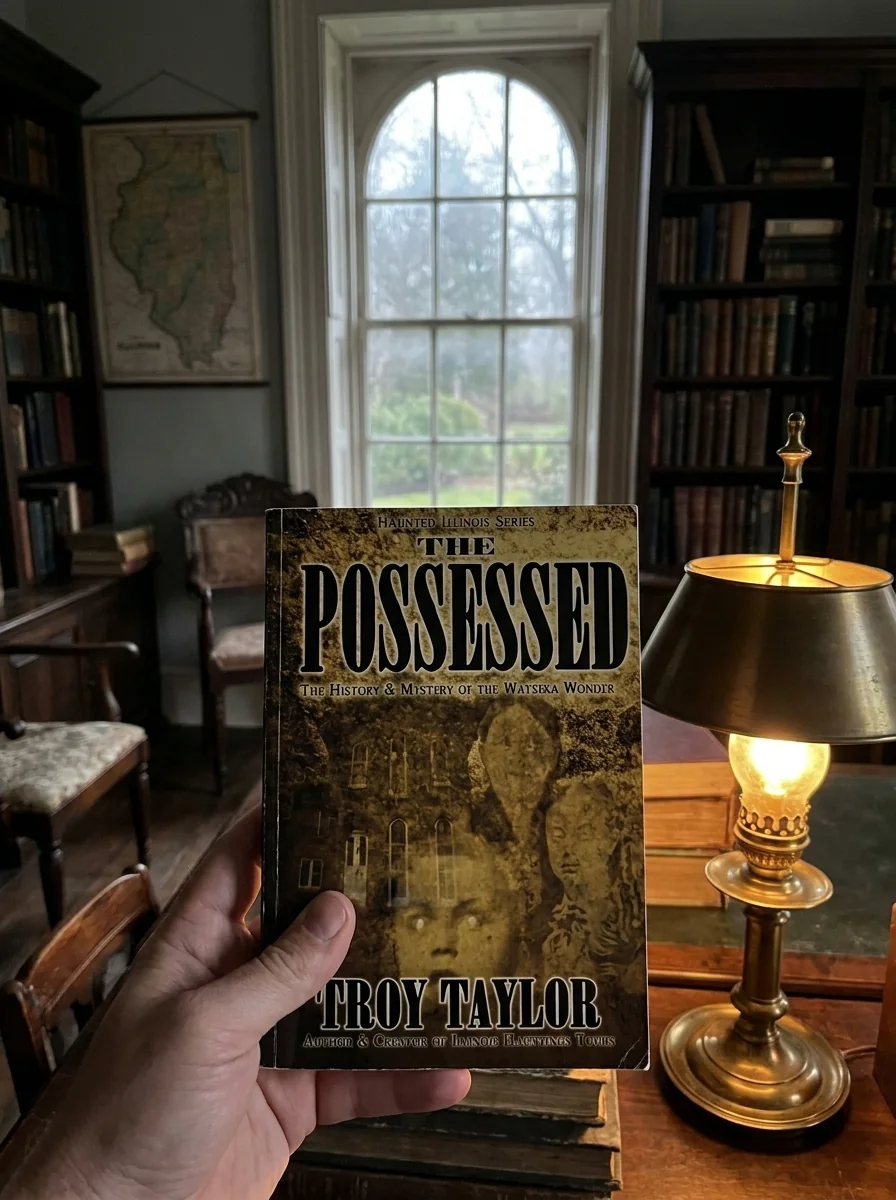

The Possessed
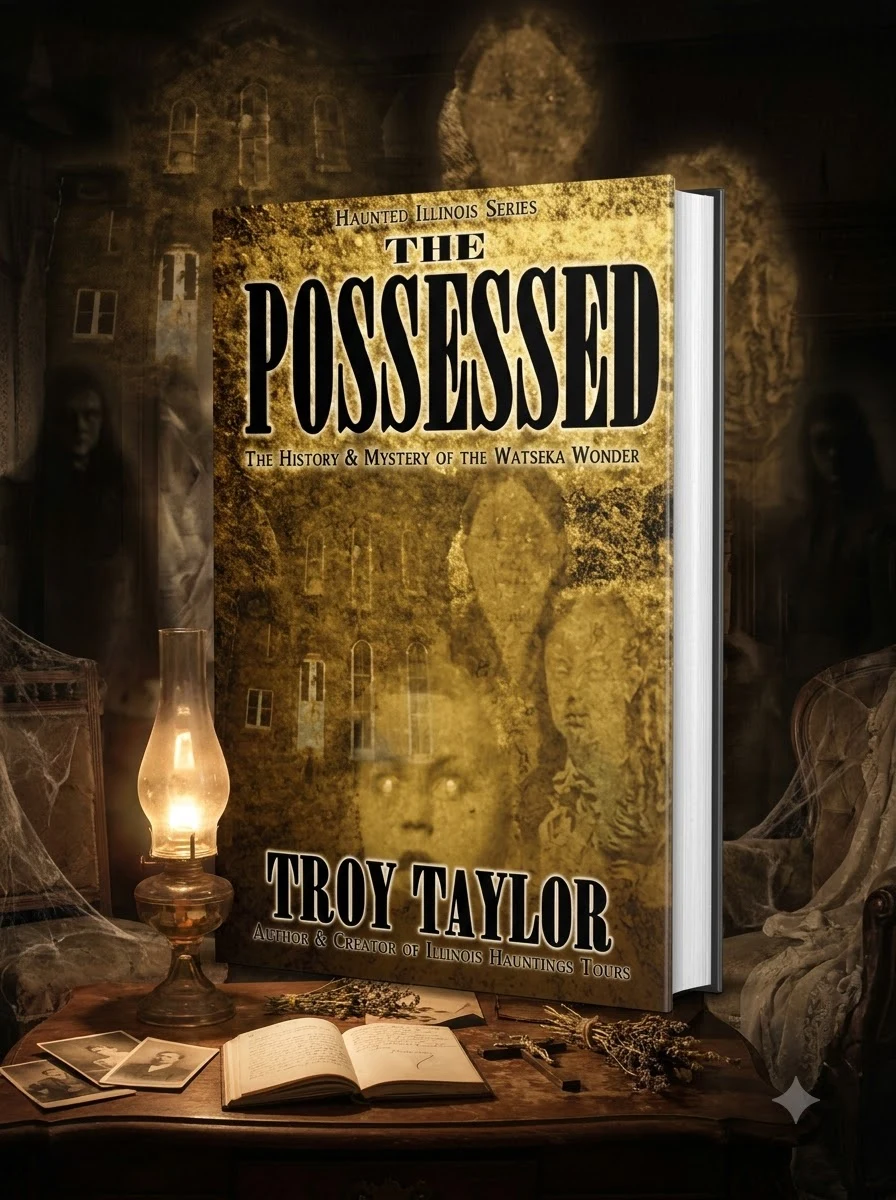
✍️ Taylor, TroyThis paperback account focuses on the mysterious events of 1878 in Watseka, Illinois. Troy Taylor details one of the most unusual possession cases in nineteenth-century American history. The narrative addresses the strange circumstances surrounding the town and examines how the local legend developed. Drawing on themes of mysticism and regional history, the book covers the facts and ongoing mysteries of the incident. It provides a localized look at nineteenth-century American spiritual phenomena for readers studying Midwestern history and mystical occurrences.


📝 Description: The Possessed
💎 Expert review
📖 Why choose it
Why this book is worth reading
Readers fascinated by the intersection of history, psychology, and the unexplained will find this book deeply engaging. Troy Taylor offers a meticulous re-examination of the Watseka possession, inviting you to question established narratives about American spiritualism. If you enjoy digging into historical mysteries that remain unresolved, this text provides a comprehensive look at local legends and primary accounts. It is perfect for those who appreciate detailed inquiries into perplexing episodes of supernatural activity, challenging your perception of reality while honoring the enduring enigma that has captivated skeptics and believers alike for over a century.
⭐ Reader reviews
Reader rating
While Taylor provides a thorough investigation into one of America's most baffling possession cases, this book is not for readers seeking definitive answers or easy skepticism. It demands patience with historical nuance and local folklore rather than sensationalist ghost stories. Those expecting a straightforward debunking or a purely religious perspective may find the balanced inquiry frustrating. However, for those willing to sift through accounts alongside the author, it offers a compelling, thought-provoking look at a pivotal event that continues to challenge our understanding of the human mind and the persistence of the unexplained in American history.
❓ Frequently asked questions
📖 Who should read this
If you're drawn to historical mysteries, especially those involving the supernatural and 19th-century American folklore, this book is essential. Readers interested in the history of spiritualism or the psychology of unexplained phenomena will find a compelling and thoroughly researched account here.
🎯 Key themes and symbolism
The Watseka Phenomenon
This book offers a deep dive into the specific events surrounding the Watseka possession, reconstructing the timeline, examining the individuals involved, and analyzing the curious manifestations reported. It explores how this unique case captivated a nation and continues to defy easy categorization, presenting a rich tapestry of eyewitness accounts and historical documentation.
19th-Century American Mysticism
The narrative contextualizes the Watseka incident within the broader landscape of 19th-century American spiritualism and its burgeoning interest in the unseen world. It illustrates how such phenomena were perceived and interpreted in an era fascinated by communication with the dead, psychic abilities, and the limits of scientific understanding, providing cultural insights into the period.
Exploring the Unexplained
Beyond the specific historical event, this work delves into the enduring human quest to understand phenomena that defy conventional explanation. It prompts reflection on the nature of belief, the power of suggestion, and the possibility of genuine supernatural occurrences, inviting readers to engage critically with the mysteries presented and form their own conclusions.
📜 Historical context
📚 Glossary
- Possession
- Spiritualism
- Esoteric
📔 Questions to reflect on
- How does the historical context of 19th-century America influence the perception and interpretation of events like the Watseka possession?
- If you were an investigator at the time, what evidence would you prioritize, and what conclusions might you draw from the existing accounts?
- Consider the boundaries between psychology, belief, and the supernatural. Where do you draw the line when examining unexplained phenomena described in this book?