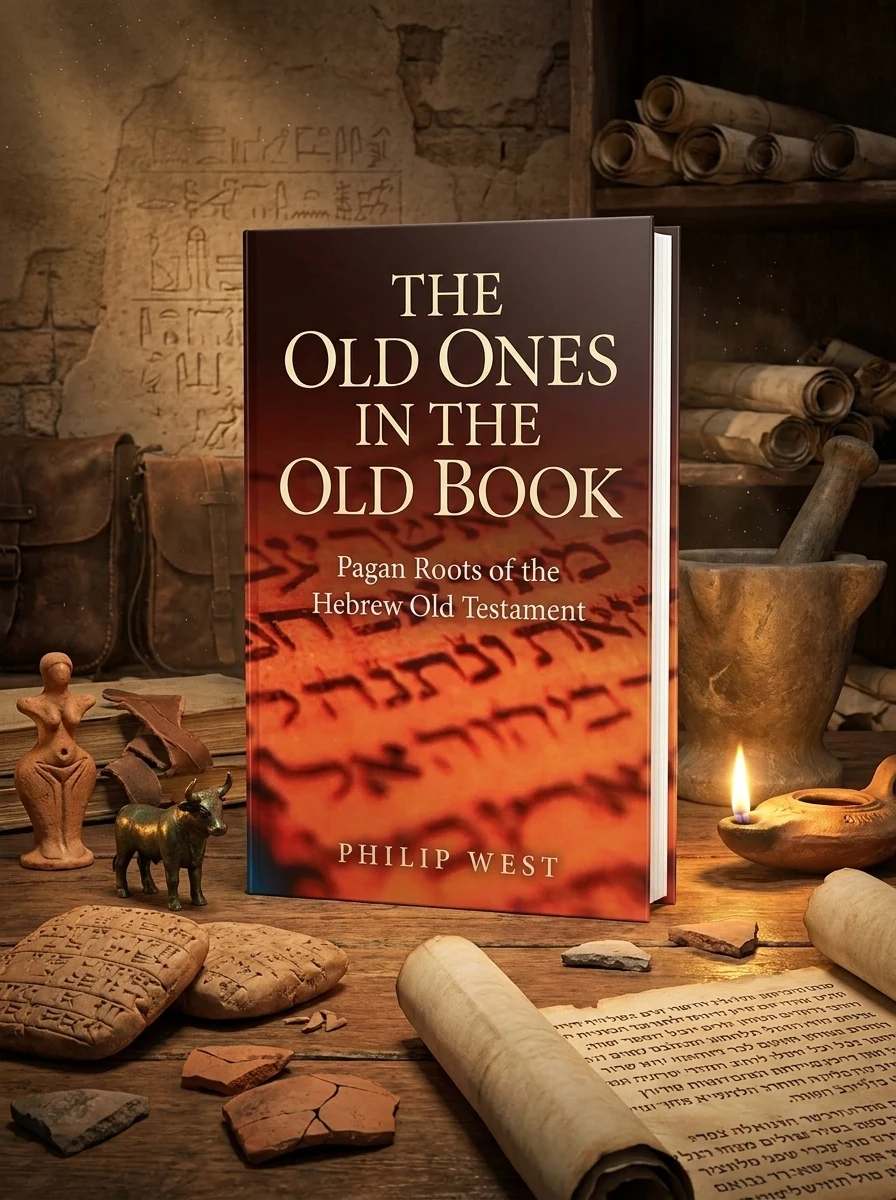
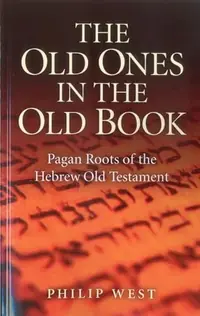
The Old Ones in the Old Book: Pagan Roots of the Hebrew Old Testament
This edition can be ordered. No arrival date is confirmed.
Uncover the hidden polytheistic roots woven throughout the sacred texts of the Hebrew Old Testament.
Philip West invites readers on a fascinating journey to peel back the monotheistic veneer of the Hebrew Old Testament. This compelling study reveals that beneath centuries of editorial revision, the ancient narratives bear witness to a vibrant, polytheistic Israelite religion predating 600 BCE. Far from being a singular deity, Yahweh is presented as a distinctive tribal god, akin to the surrounding Canaanite pantheon. West meticulously reconstructs this forgotten spiritual landscape, demonstrating how much was altered to fit a later, exclusive belief system. An essential read for those seeking deeper historical context.
This work situates itself within the field of esoteric historical inquiry, challenging traditional theological narratives by exploring the pagan and polytheistic antecedents of Hebrew scripture. It bridges the gap between academic biblical criticism and occult interest in pre-monotheistic spiritual systems.


📝 Description: The Old Ones in the Old Book: Pagan Roots of the Hebrew Old Testament
💎 Expert review
📖 Why choose it
Why this book is worth reading
Readers fascinated by the hidden layers of religious history will find this book a revelatory experience. It is perfect for those who suspect that the official monotheistic narrative of the Hebrew Old Testament masks a richer, more complex past. If you enjoy uncovering how ancient polytheistic practices were edited out to fit later exclusive belief systems, this study offers deep historical context. It appeals to scholars and spiritual seekers alike who want to understand Yahweh not as a singular deity, but as part of the Canaanite pantheon. This book provides essential background for anyone wanting to peel back centuries of revision to see the vibrant, forgotten spiritual landscape that once existed.
⭐ Reader reviews
Reader rating
Philip West delivers a compelling reconstruction of Israelite religion prior to 600 BCE, effectively dismantling the monotheistic veneer through meticulous analysis. While valuable for understanding the pagan roots of Hebrew texts, it is not suitable for devout traditionalists who prefer an unchallenged theological narrative or readers seeking straightforward historical biography rather than textual deconstruction. The work demands a willingness to confront uncomfortable revisions in sacred scripture. It serves best as a critical tool for those already skeptical of exclusive monotheism. Those expecting simple answers or purely devotional content will likely find the academic rigor and provocative thesis unsettling, making it a niche but significant contribution to esoteric historical studies.
❓ Frequently asked questions
📖 Who should read this
If you've questioned traditional religious narratives, particularly those from Christian or Jewish backgrounds, and find yourself drawn to paganism or New Age spirituality, this book is for you. It offers a scholarly yet accessible path to understanding the complex evolution of faith.
🎯 Key themes and symbolism
Unveiling Ancient Paganism
This book meticulously peels back layers of later religious editing to reveal the vibrant, polytheistic spiritual landscape of early Israelite religion, predating the rise of exclusive monotheism. It demonstrates how these ancient practices were deeply interwoven with Canaanite traditions, showcasing a world far richer and more diverse than commonly understood by modern believers.
Yahweh's Tribal Origins
Far from being the sole, universal deity of Abraham, West argues that Yahweh initially functioned as a distinctive tribal god within a broader pantheon. The text explores how his character and role evolved from a powerful, localized entity to the singular divine figure revered by later monotheistic traditions, offering a profound re-evaluation of his origins.
The Scribes' Revision
The author examines the centuries-long process of re-editing the Old Testament by monotheistic scribes, who systematically reframed earlier polytheistic narratives. This theme highlights how intentional textual alterations were employed to align ancient stories with the evolving belief in Yahweh as the one true God, effectively obscuring earlier spiritual practices.
💬 Quotes from the book
“The editors, driven by a singular vision, meticulously reshaped narratives, yet echoes of older, vibrant pantheons still resonate within the very verses they sought to sanctify.”
“Before the grand pronouncements of universal dominion, Yahweh stood as a fiercely protective god, one among many, deeply intertwined with the fate of a specific people.”
📜 Historical context
📚 Glossary
- Monotheism
- Polytheism
- Yahweh
📔 Questions to reflect on
- How does understanding the polytheistic roots of Israelite religion challenge your previous perceptions of the Old Testament narratives or your own spiritual lineage?
- Consider the motivations of ancient editors in reshaping sacred texts. How might similar processes occur in modern contexts, and what are the implications for preserving original meanings?
- Reflect on the evolution of deities. How might the understanding of a 'tribal god' like early Yahweh inform your perspective on the divine in various cultures or your personal spirituality?
🏛 Books from this publisher Moon Books
All books from this publisher →
 81
81
 89
89

You might also like
See more →


 91
91
 91
91