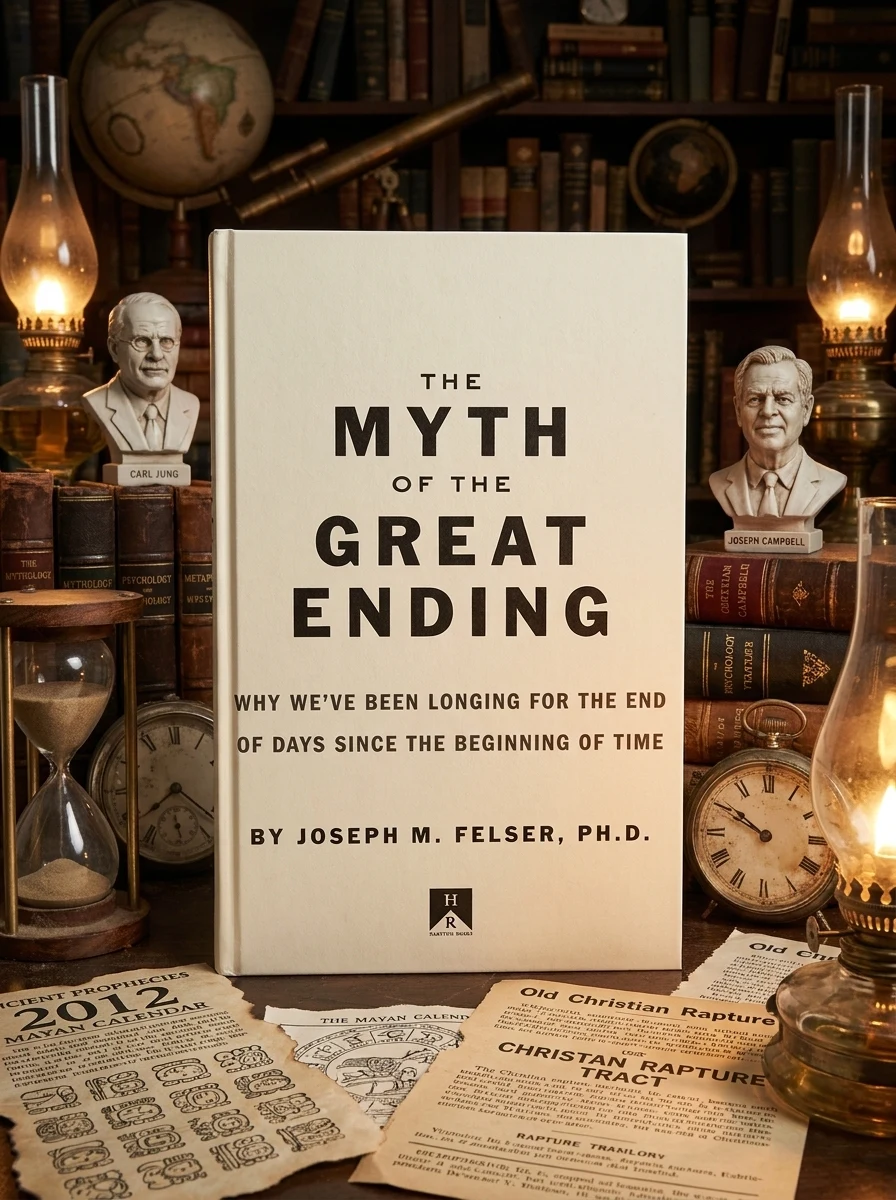
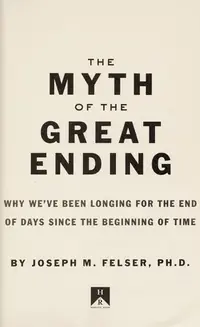
The Myth of the Great Ending: Why We've Been Longing for the End of Days Since the Beginning of Time
Felser, Joseph MThis edition can be ordered. No arrival date is confirmed.
Uncover the profound spiritual yearning hidden within humanity's endless obsession with the End of Days.
Joseph Felser invites readers on an intellectual journey to decipher why humanity persistently anticipates apocalyptic conclusions. Moving beyond literal interpretations of prophecies, this work delves into the historical, psychological, and metaphysical underpinnings of doomsday narratives. Felser posits that these recurring myths aren't failed predictions, but rather symbolic expressions of a deeper, often unacknowledged human desire for spiritual renewal and harmony with both our inner landscape and the natural world. It's a compelling re-evaluation of our collective anxieties and aspirations.
Situated within the English-language occult and esoteric tradition, this work explores metaphysical underpinnings of doomsday narratives rather than literal prophecy. It bridges historical analysis with spiritual renewal, challenging conventional apocalyptic expectations.


📝 Description: The Myth of the Great Ending: Why We've Been Longing for the End of Days Since the Beginning of Time
💎 Expert review
📖 Why choose it
Why this book is worth reading
Readers seeking a profound re-evaluation of their collective anxieties will find immense value in this intellectual journey. It appeals to those longing for spiritual renewal and harmony with the natural world, offering a compassionate lens through which to view humanity's obsession with the End of Days. By framing apocalyptic myths as symbolic expressions of deeper desires rather than failed predictions, the book provides comfort and clarity. It is ideal for individuals tired of literalist interpretations who wish to understand the psychological roots of their fears. This work transforms doomsday anticipation into a pathway for inner landscape exploration, making it essential for anyone yearning for meaningful connection amidst global uncertainty.
⭐ Reader reviews
Reader rating
Felser offers a compelling re-evaluation of doomsday narratives by focusing on metaphysical and psychological underpinnings rather than literal prophecy. The book succeeds in uncovering the spiritual yearning hidden within humanity's obsession with the End of Days, providing a sophisticated intellectual journey. However, it does not suit readers seeking concrete historical dates, literal scriptural fulfillment, or sensationalist apocalyptic thrillers. Those looking for immediate solutions to global crises may find its abstract approach too detached. It is best for those willing to engage with symbolic expressions of anxiety and desire for harmony, making it a thoughtful but potentially dry choice for literalists.
❓ Frequently asked questions
📖 Who should read this
If you're intrigued by the power of myth, the psychology behind collective beliefs, or seeking a deeper spiritual interpretation of our modern anxieties, this book offers a refreshing and thought-provoking perspective. It challenges you to look inward for the meaning of 'the end.'
🎯 Key themes and symbolism
The Enduring Doomsday Myth
This book examines the perpetual fascination with 'the end of the world' across diverse cultures and eras, from ancient prophecies to modern New Age predictions. It questions why these narratives persist even when their timelines repeatedly fail, suggesting a deeper, more universal human engagement with concepts of closure and renewal beyond mere literal interpretation.
Psychological & Spiritual Meaning
Felser probes the underlying psychological and spiritual significance of apocalyptic lore. Drawing on thinkers like Jung and Campbell, he argues that the collective obsession with 'the Great Ending' is a subconscious manifestation of a healthy longing for inner and outer reconciliation, a desire to reconnect with our authentic selves and the natural world around us.
Reconciliation & Inner Wisdom
The text ultimately serves as an invitation to reframe our understanding of 'the end.' It encourages readers to recognize this pervasive longing as a call to action—to heed intuitive promptings, listen to nature's voice, and cultivate a deeper, more spiritually aligned existence, rather than passively awaiting an external cataclysm.
💬 Quotes from the book
“The recurring specter of Armageddon is not a prophecy of literal destruction, but a persistent echo of humanity's yearning for transformation, a call to shed the old and embrace a deeper truth.”
“Beneath the clamor of external omens lies a quiet, insistent voice—the whisper of nature, the guidance of intuition—beckoning us toward a sacred reunion with our authentic selves.”
📜 Historical context
📚 Glossary
- Apocalypse
- New Age
- Collective Unconscious
📔 Questions to reflect on
- Reflect on a 'doomsday' narrative you've encountered. What personal anxieties or hopes did it stir within you, and how might these relate to a deeper longing for change?
- Consider moments when you've felt a strong intuitive 'prompting.' How might listening to these inner voices lead to a greater sense of reconciliation with yourself or your environment?
- How does your perception of 'the end'—whether personal or global—shape your present actions and aspirations? Is there a hidden call to transformation within that perception?
✍️ More books by this author Felser, Joseph M
All books by this author →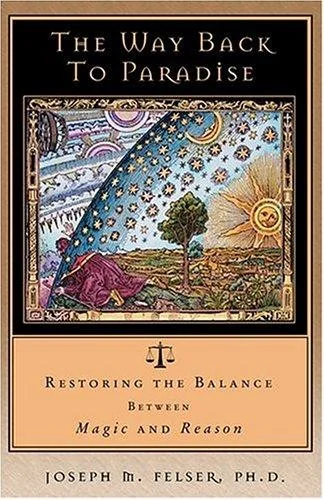
🏛 Books from this publisher Hampton Roads Publishing Company
All books from this publisher →

 88
88
You might also like
See more →


 91
91