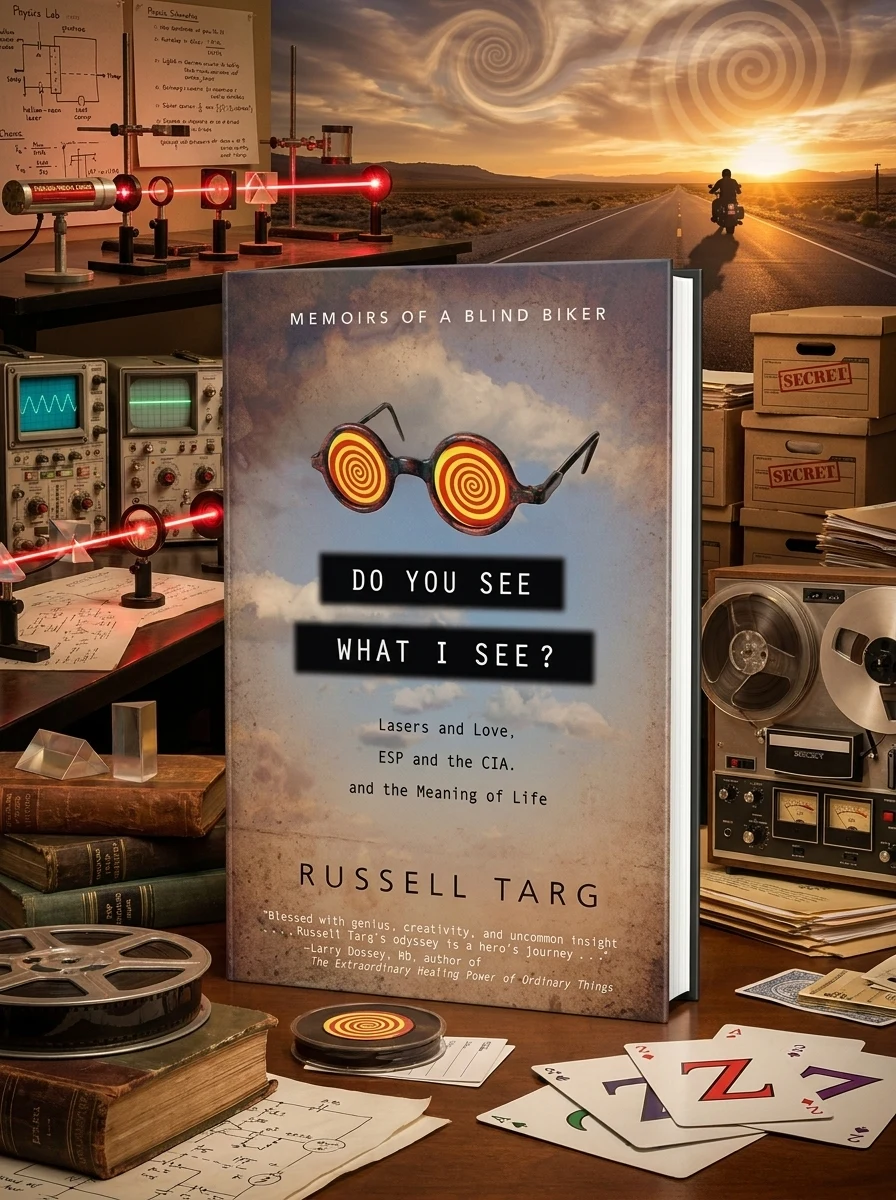
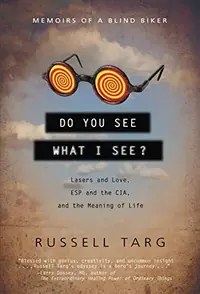
Do You See What I See?: Lasers and Love, ESP and the Cia, and the Meaning of Life
Targ, RussellThis edition can be ordered. No arrival date is confirmed.
A physicist's extraordinary journey bridges laser research, CIA psychic experiments, and encounters with 20th-century icons.
Russell Targ's captivating memoir chronicles an unparalleled life at the intersection of science and the esoteric. As a pioneering laser physicist, he pushed the boundaries of conventional understanding, delving into parapsychology and co-founding the Stanford Research Institute's CIA-funded remote viewing program. His narrative is interwoven with fascinating personal anecdotes, including encounters with a diverse cast of cultural figures from Ayn Rand to Bobby Fischer, offering a unique window into the intellectual and spiritual undercurrents of the 20th century. It’s a testament to the adventurous spirit of inquiry.
This memoir sits firmly within the late 20th-century convergence of hard science and parapsychology, reflecting an era where government-funded inquiry into psychic phenomena briefly intersected with mainstream academic research. It captures the intellectual climate where established physicists dared to explore the boundaries of consciousness alongside esoteric traditions.


📝 Description: Do You See What I See?: Lasers and Love, ESP and the Cia, and the Meaning of Life
💎 Expert review
📖 Why choose it
Why this book is worth reading
Readers fascinated by the intersection of rigorous scientific methodology and unexplained paranormal phenomena will find this memoir deeply rewarding. Targ offers a rare insider’s view into the CIA’s remote viewing programs, demystifying how laser physicists applied their expertise to psychic research. It is ideal for those who enjoy biographical narratives featuring encounters with iconic cultural figures like Ayn Rand and Bobby Fischer, providing a unique lens on the 20th century’s intellectual undercurrents. If you appreciate stories of adventurous inquiry that challenge conventional boundaries between physics and spirituality, this book provides an engaging, firsthand account of a life spent probing the unknown.
⭐ Reader reviews
Reader rating
Russell Targ’s narrative stands out for its candid exploration of remote viewing within a scientific framework, offering valuable insight into a secretive chapter of Cold War history. However, readers seeking traditional occult grimoires or purely metaphysical philosophy may find the technical laser physics and bureaucratic details dry or irrelevant. The book is best suited for skeptics-turned-believers or historians of parapsychology rather than casual fantasy fans. Its strength lies in its authenticity as a physicist’s memoir, though those expecting dense esoteric theory might feel disconnected from the personal anecdotes and institutional politics that dominate the text.
❓ Frequently asked questions
📖 Who should read this
If you're drawn to narratives that challenge conventional wisdom, explore the hidden capacities of the human mind, or seek to understand the untold stories behind Cold War intelligence, this memoir is for you. Prepare for a mind-expanding journey that defies easy categorization.
🎯 Key themes and symbolism
Science & Esoteric Frontiers
Targ masterfully explores the often-divided realms of rigorous scientific inquiry and psychic phenomena. His unique perspective as a physicist provides a credible lens through which to examine experiences like ESP and remote viewing, demonstrating how a scientific mind can engage with the unexplained without abandoning intellectual integrity, offering a potential bridge between disciplines.
Government & Psychic Research
The book offers an insider's account of the CIA-funded remote viewing program he co-founded. It sheds light on the serious, albeit clandestine, efforts by intelligence agencies to explore and utilize psychic abilities during the Cold War, raising questions about national security, human potential, and the boundaries of accepted knowledge, revealing a fascinating hidden history.
Cultural & Intellectual Milieu
Targ's life was a nexus of influential personalities, from scientific peers to literary giants and pop culture icons. His recollections provide vivid snapshots of encounters with figures like Ayn Rand, Alan Greenspan, and Bobby Fischer, illustrating how these diverse interactions shaped his worldview and offering a unique, anecdotal history of 20th-century American intellectual and cultural life.
💬 Quotes from the book
“My years in the lab, bending light to new purposes, unexpectedly prepared me for the far more elusive task of bending perception beyond the known senses.”
“From the intellectual sparring with Rand to the silent visions of our psychics, my life became a testament to the vast, often contradictory, potential of the human mind.”
📜 Historical context
📚 Glossary
- Remote Viewing
- Parapsychology
- Laser Research
📔 Questions to reflect on
- Reflect on moments in your life where intuition or an inexplicable "knowing" played a significant role. How might a scientific mind approach such experiences?
- Considering the historical context of government-funded psychic research, what ethical implications arise when exploring human potential for intelligence gathering?
- How do you personally reconcile scientific skepticism with the possibility of phenomena like ESP? Where do you draw the line, or do you believe a bridge can be built?
✍️ More books by this author Targ, Russell
All books by this author →
🏛 Books from this publisher Hampton Roads Publishing Company
All books from this publisher →

 88
88

You might also like
See more →