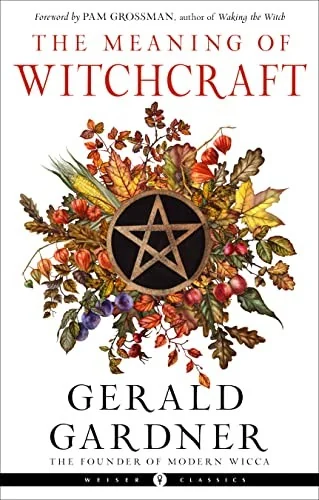
The Meaning of Witchcraft Gardner, Gerald B
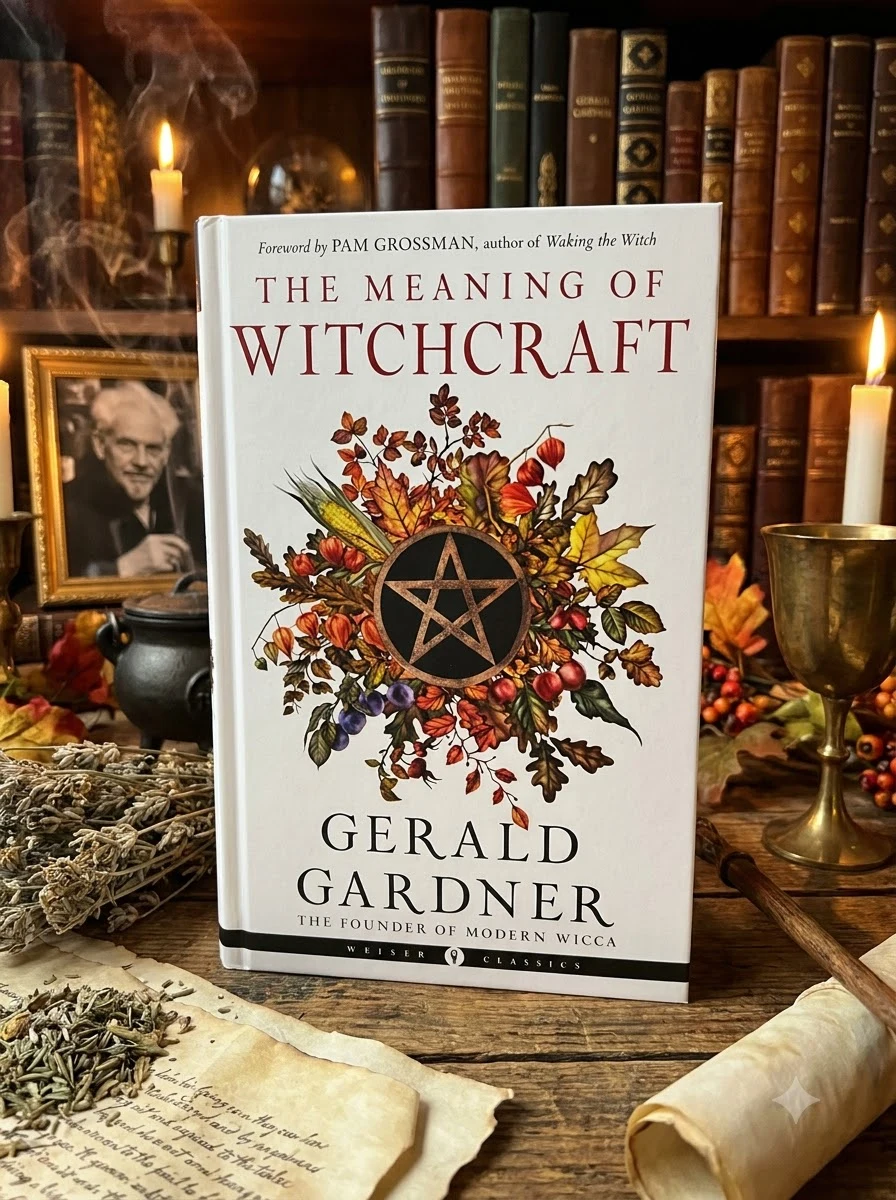
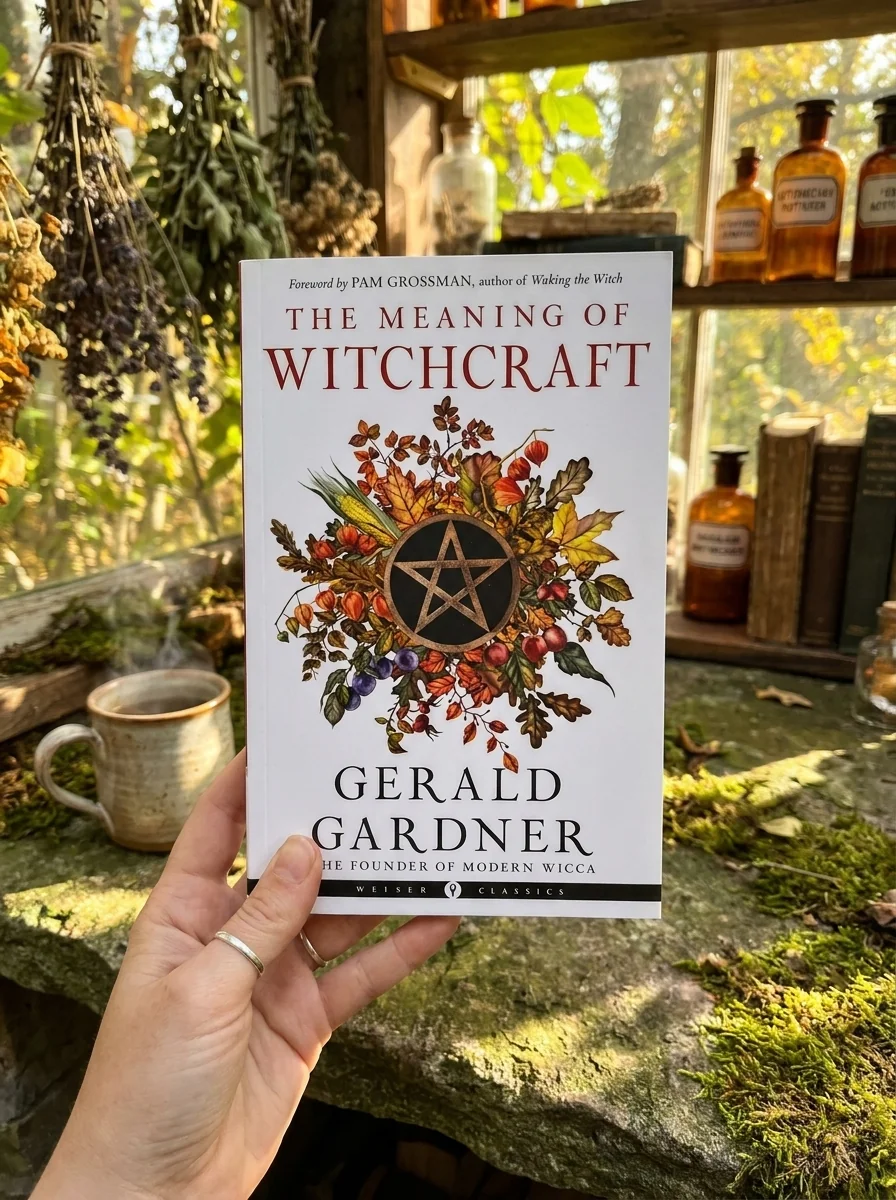
✍️ Gardner, Gerald B; , Grossman, PamThis seminal work by Gerald Gardner, often hailed as a principal architect of contemporary Wicca, offers an unparalleled insider's perspective on the practice of witchcraft. First published in 1959, it boldly challenged prevailing misconceptions, presenting magic not as an evil pact but as a profound engagement with unseen energies, deeply rooted in ancient traditions and human psychology. Gardner's clear articulation provided a foundational framework, liberating the concept of the Witch and catalyzing the widespread neo-pagan revival, making it an essential text for understanding the Craft's modern form.


Praise for this book
“If it weren't for Gerald Gardner, contemporary Wicca would not exist. If you haven't read The Meaning of Witchcraft, it still stands up as basic Wiccan text, and if you are reading this book again after a long hiatus--several decades perhaps--you will be surprised how well it stands the test of time.”
📝 Description: The Meaning of Witchcraft Gardner, Gerald B
💎 Expert review
📖 Why choose it
Why this book is worth reading
Readers seeking to understand the true origins of modern witchcraft will find this book indispensable. It offers a rare insider's view from Gerald Gardner, one of the movement's principal architects, clarifying that magic is not evil but a profound engagement with unseen energies. If you are curious about the psychological and traditional roots of the Craft, or wish to grasp the framework that liberated the concept of the Witch, this text provides the essential context. It is ideal for those eager to see how a single visionary work catalyzed the widespread neo-pagan revival we know today.
⭐ Reader reviews
Reader rating
Gardner’s 1959 publication remains a vital historical document for its bold challenge to misconceptions about witchcraft. However, readers expecting practical ritual instructions or modern theological debates may find it lacking in immediate applicability. This is not a grimoire for spell-casting but a theoretical exposition on the Craft's nature and history. Those looking for contemporary Wiccan practice might feel disconnected from its mid-century perspective. It suits historians and spiritual seekers interested in the genesis of the movement rather than those seeking step-by-step magical guidance or current polytheistic frameworks.
❓ Frequently asked questions
📖 Who should read this
If you're curious about the origins of modern Wicca, seeking a deeper understanding of witchcraft beyond sensationalism, or looking to connect with the foundational philosophies of neo-paganism, this book is an indispensable read. It offers clarity and historical insight for both students and practitioners.
🎯 Key themes and symbolism
Modern Witchcraft's Genesis
Gardner's pioneering text laid the essential groundwork for contemporary Wicca, establishing many of the core tenets and practices that would define the burgeoning movement. It offered a structured yet accessible path for those seeking to reconnect with ancient spiritual currents, moving beyond mere academic theories to present a living, viable tradition for a new generation of practitioners.
The Nature of Magic
This book explores the fundamental principles underlying magical beliefs, positing that witchcraft is a method of interacting with unseen forces through specific rituals. Gardner articulates a view where such practices are not mere superstition but an innate human response to the world, a continuum stretching from prehistoric times into the present day, connecting us to primal energetic currents.
Psychological & Social Roots
Beyond theological debates, Gardner delves into the deeper, intrinsic meaning of witchcraft, locating its essence within the human psyche. He suggests that the Craft resonates with the collective unconscious and reflects the earliest developments of human society, implying that its power and relevance stem from universal, primordial aspects of our shared experience rather than external dogma.
📜 Historical context
📚 Glossary
- Wicca
- Neo-Paganism
- Collective Unconscious
📔 Questions to reflect on
- How do Gardner's ideas about 'unseen Powers' and ritual resonate with your own understanding of spirituality or the natural world?
- In what ways do you see elements of 'broken-down ritual' or ancient beliefs manifesting in contemporary society, perhaps unconsciously?
- Considering Gardner's focus on the 'collective unconscious,' what universal human needs or experiences do you believe witchcraft addresses?